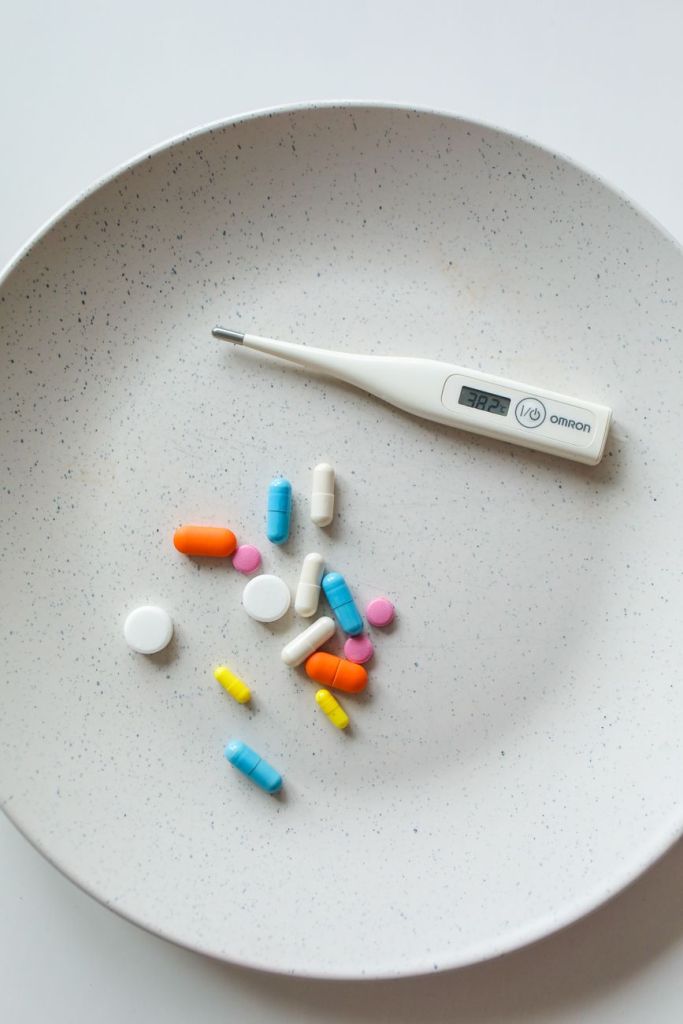
This week, from November 18 to 24, health agencies around the world are marking World AMR Awareness Week. AMR stands for antimicrobial resistance, and it may be one of the most important health topics most families rarely talk about.
Here is the simple version: antibiotics are life-saving medicines that fight certain infections caused by bacteria. But every time they are used, especially when they are not needed, some bacteria learn to survive them. Over time, the medicines that once worked stop working as well. The World Health Organization (WHO) calls this a global threat happening now, not a far-off problem.
What the numbers show
The WHO’s most recent fact sheet says bacterial resistance was associated with more than 4.7 million deaths worldwide in 2021. In its global surveillance report released in October 2025, drawing on data from 104 countries, the WHO found that about one in six lab-confirmed common bacterial infections in 2023 did not respond to standard antibiotics. Between 2018 and 2023, resistance rose in more than 40% of the drug-and-germ combinations the agency monitors.
The picture varies by region. Rates were highest in Southeast Asia and the Eastern Mediterranean, at roughly one in three infections, compared with about one in five in Africa and one in ten in Europe. Common problems like urinary tract infections were among those most often affected.
This year’s WHO theme, “One Health, one action: Prevent AMR now,” is a reminder that the health of people, animals and the environment are connected. Governments, doctors, farmers and scientists all have a role. So do ordinary households.
What antibiotics can and cannot do
According to the U.S. Centers for Disease Control and Prevention (CDC), antibiotics treat only certain bacterial infections, such as strep throat, whooping cough and urinary tract infections. They do not work on viruses. That means they will not help a cold, a runny nose, the flu, most sore throats or most cases of bronchitis. Even some bacterial infections, including many sinus and some ear infections, can get better without them.
Taking an antibiotic when it is not needed will not make you feel better, but its side effects can still cause harm. The CDC lists common ones such as rash, dizziness, nausea, diarrhea and yeast infections, and more serious problems such as severe allergic reactions and a dangerous gut infection called C. diff. The CDC notes that antibiotic side effects are the most common cause of medication-related emergency visits among children.
Practical habits for families
- Ask questions, don’t push. If you or your child is sick, it is fine to ask your doctor, “Is this bacterial or viral?” and “What can I do to feel better?” Try not to pressure a clinician for an antibiotic.
- If one is prescribed, follow the directions your doctor or pharmacist gives you, and call them with any questions or side effects.
- Never share or save antibiotics, and never take someone else’s prescription.
- Dispose of leftovers safely. The CDC suggests drug take-back programs, or sealing medicine in a bag with dirt, kitty litter or used coffee grounds before putting it in the trash.
- Prevent infections in the first place. Wash hands for at least 20 seconds, cover coughs and sneezes, stay home when sick and keep up with recommended vaccines.
- Handle food carefully. Clean hands and surfaces, and cook food thoroughly, to reduce the germs that can carry resistance.
This article is general information, not medical advice. Always talk with your doctor or pharmacist about any illness, symptoms or medicine, including whether an antibiotic is right for you or your child.
Wisdom for the medicine cabinet
Scripture praises the person who thinks carefully before acting rather than simply following every impulse or rumor:
“The simple believeth every word: but the prudent man looketh well to his going.”
— Proverbs 14:15 (KJV)
Using antibiotics wisely is a quiet act of love. It protects your family today, and it helps make sure these precious medicines still work for our children and grandchildren tomorrow. Each careful choice in each home adds up.
Have you ever been surprised to learn an illness was viral and didn’t need antibiotics, and what helped you feel better?
Sources: World Health Organization, “World AMR Awareness Week 2026” (November 2026); World Health Organization, “Antimicrobial resistance” fact sheet (July 16, 2026); CIDRAP, “WHO: Antimicrobial resistance is widespread globally and increasing” (October 2025); CDC, “Healthy Habits: Antibiotic Do’s and Don’ts” (reviewed September 23, 2025); KJV Proverbs 14:15.




Leave a Reply