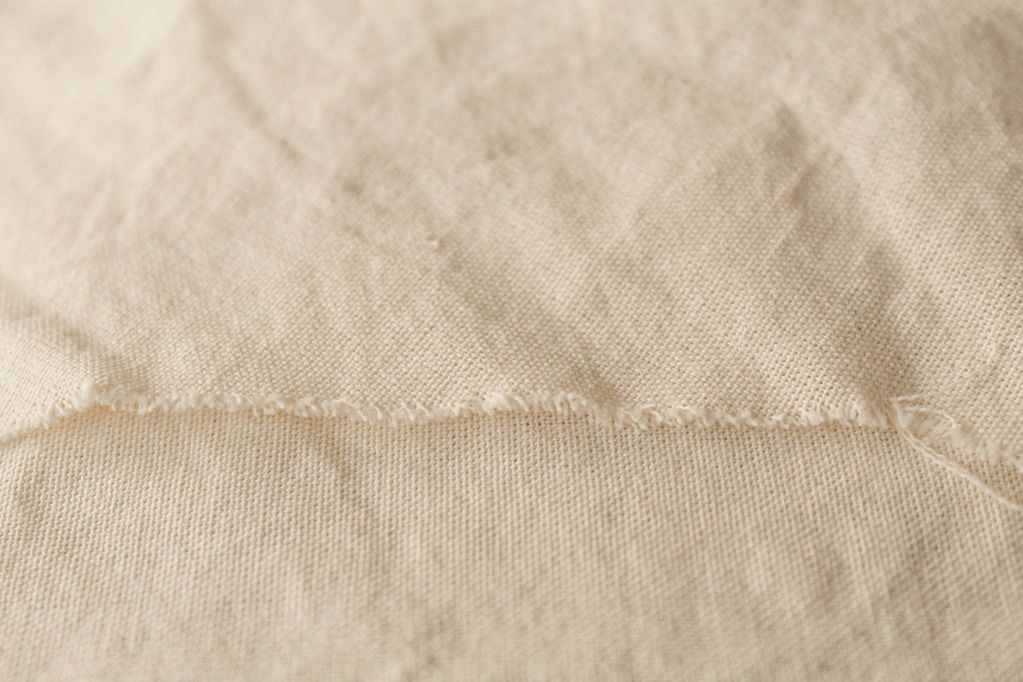
Have you noticed people flipping over sweaters in the store to read the little tag inside? You are not imagining it. This fall, natural fibers like cotton, wool and linen are having a real moment, and many shoppers are paying closer attention to what their clothes are made of.
On October 20, the wool industry group Woolmark shared new research carried out with the polling firm Ipsos in several countries, including the United States, France, Germany and Italy. When price, style and fit were equal, 82 percent of the people surveyed said they would choose natural fibers over synthetic ones. Sixty-seven percent said they would pay more for clothing made mainly from natural fibers, and 71 percent said independent checks on fiber content are important to them.
It is fair to remember that Woolmark promotes wool, so it has an interest in these results. Still, the survey fits a wider pattern that trend watchers have been noticing all season.
Why this is happening now
Part of the reason is simple comfort and quality. Many people like how cotton breathes and how wool keeps them warm. Part of it is a growing conversation about microplastics, the tiny plastic bits that can shed from synthetic fabrics such as polyester, nylon and acrylic as clothes are worn and washed. In its October update, the Global Wellness Summit highlighted “tackling microplastics as a human health issue” as a wellness trend showing up again and again in the news.
Here is the balanced part, and it matters. Scientists have found microplastics in the human body, and some early research links them to health problems. But researchers have not proven that microplastics from clothing make people sick. As one Stanford researcher explained to reporters this month, there is no straight line yet from microplastics to illness, even though choosing other fabrics can be a reasonable way to lower exposure. Research also suggests most microplastics reach us through food and drink, and it has not been shown that they pass through the skin.
So this is not a reason to panic or empty your closet. It is simply a gentle nudge to shop with a little more thought.
Five calm, practical ways to try the trend
- Read the tag first. The fabric label tells you exactly what you are buying. “100% cotton” is clear. A long list of synthetic blends is clear too. Now the choice is yours.
- Look past the buzzwords. Words like “clean” and “nontoxic” on clothing have no standard definition, and brands face little oversight when they use them. Trust the fiber list more than the marketing.
- Buy fewer, better things. A well-made cotton shirt or wool sweater can last for years. Buying less often saves money, even when one item costs a bit more.
- Start with what you wear most. Many families begin with everyday pieces like pajamas, T-shirts, socks and bedding.
- Use what you already have. The wisest choice is often to keep wearing the clothes in your closet until they wear out, then replace them slowly instead of all at once.
A word for families on a budget
Natural-fiber clothing can cost more, and that can feel discouraging. But you do not need a brand-new wardrobe to take part. Thrift stores, consignment shops and hand-me-downs are full of cotton and wool pieces. Taking good care of clothes also stretches every dollar: mending a seam, sewing a button back on, washing gently and drying with care. Children love learning these skills, and they are skills for life.
There is something beautiful about returning to simple things: cotton from a field, wool from a sheep, linen from a plant. Long before anyone talked about microplastics, Jesus pointed to God’s care in the simplest parts of creation.
“And why take ye thought for raiment? Consider the lilies of the field, how they grow; they toil not, neither do they spin.”
Matthew 6:28 (KJV)
Those words remind us not to worry about what we wear. Make wise choices, yes. Read the label, buy with care and use what you have. But don’t let a trend turn into fear. The same God who clothes the lilies cares for you and your family, through every season and every storm.
The bottom line
- Interest in cotton, wool and other natural fibers is rising this fall.
- Concern about microplastics is one reason, but the science on clothing and health is still developing.
- Small, steady changes, starting with the clothes you wear most, are a calm and affordable way to begin.
Have you started checking clothing labels? What is your favorite natural-fiber piece in your closet? Tell us in the comments!
Sources: Just Style, “82% of consumers would choose natural fibres over synthetics” (October 20, 2026); Global Wellness Summit, “The Trend in the News (October 2026)” (October 20, 2026); Oman Observer, “Microplastics in your clothes?” (October 9, 2026); King James Bible, Matthew 6:28.



Leave a Reply