There is a particular kind of sigh that comes from hunting for a document you know you have somewhere. The birth certificate for a passport application. Last year’s tax return for a loan. The insurance policy after a pipe bursts. Most families have lived that moment, usually at the worst possible time.
The quiet weeks between now and New Year’s are a gift for fixing it. Before the January rush of tax forms, school deadlines and fresh resolutions, a couple of unhurried evenings can turn the drawer of mystery papers into a simple system the whole household understands.
Why late fall is the right time
Year-end is a natural checkpoint. Statements are wrapping up, benefits are often being renewed at work, and tax season is weeks away. Sorting now means you meet January with what you need already in one place, instead of tearing through boxes in April.
It is also an act of love. If an emergency, a hospital stay or a storm ever forced your family to act quickly, the people you trust would know exactly where to look.
Step 1: Gather the essentials into one home
The Consumer Financial Protection Bureau (CFPB) suggests gathering key records before you ever need them. Its checklist is a helpful starting point. Group what you find into a few plain folders:
- Identity papers: birth certificates, Social Security cards, passports, driver’s licenses, marriage certificates and any divorce decrees.
- Property papers: titles, deeds and car registrations.
- Money and accounts: a list of bank, credit card, mortgage, auto and student loan accounts, plus pay stubs, employer benefit records, investment statements and tax information.
- Protection: insurance policies and a room-by-room list (or video) of your belongings.
- Planning documents: wills, trusts, living wills and medical powers of attorney.
- Everyday contacts: phone numbers for utilities, internet and phone providers.
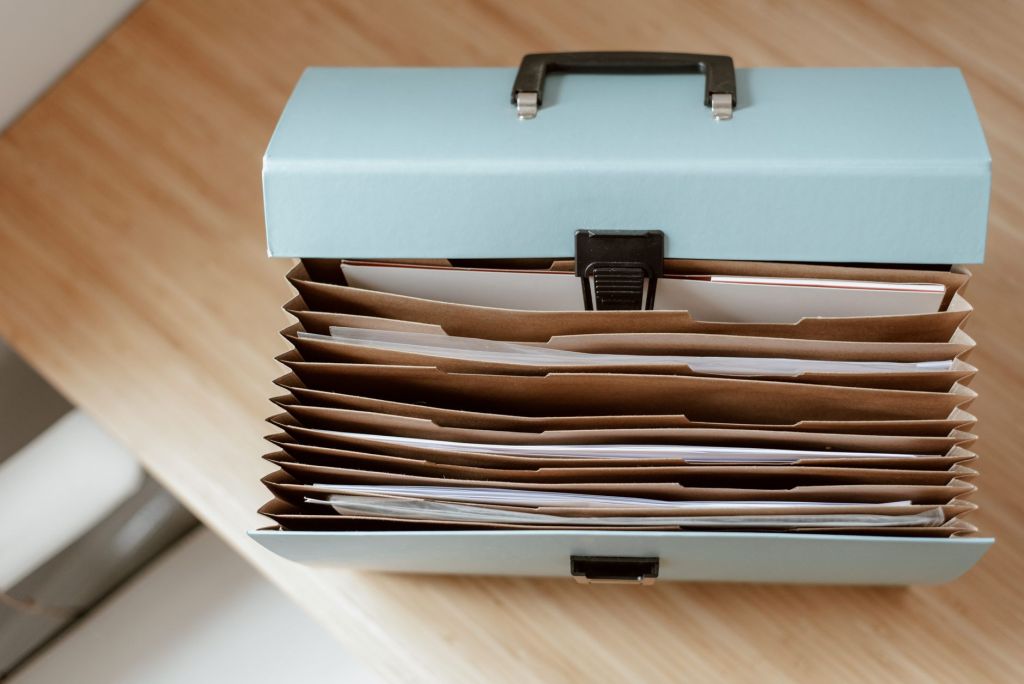
You do not need fancy supplies. A sturdy box or accordion file with clear labels works beautifully.
Step 2: Keep copies in two places
The CFPB recommends storing originals in a waterproof container or fire safe and keeping copies somewhere else, such as a safe deposit box or with a trusted relative. For digital copies, it suggests secure cloud storage or regular backups kept in a safe spot. Scanning a few key pages with your phone takes minutes and could save weeks of replacement paperwork.
Step 3: Know what to keep, and for how long
Tax papers cause the most confusion. The IRS explains that how long you keep records depends on the “period of limitations,” the window in which a return can be amended or reviewed. In general terms:
- Three years is the usual period for most returns.
- Six years applies in some cases where income was significantly underreported.
- Seven years applies if you claimed a loss from worthless securities or a bad debt deduction.
- Property records should be kept until the limitations period ends for the year you sell or dispose of the property.
The IRS also reminds people that a lender or insurer may want records kept longer than the tax rules require, so it is worth checking before you toss anything. Every family’s situation is different, so if you have questions about your own records, a qualified tax professional can help.
Step 4: Shred, don’t just toss
Old statements and expired cards still carry personal details. The Federal Trade Commission’s identity theft guidance is simple: shred papers with personal information before throwing them away. Some communities and credit unions host free shredding days, which can make this a quick family errand.
Make it a family project
Children can help more than you might think. Little ones can sort junk mail from real mail or decorate folder labels. Older kids can learn what a pay stub or insurance card is and why it matters. Teens can help scan documents and organize digital folders, a real-world skill they will use for life.
Finish by telling at least one trusted adult where the box lives. Then put a reminder on next November’s calendar to do a quick refresh.
“Let all things be done decently and in order.”
— 1 Corinthians 14:40 (KJV)
Order is not about perfection. It is about peace. When the papers are in their place, there is a little more room in our minds for the people and blessings in front of us. Through every storm, we rise together, and sometimes rising starts with one labeled folder.
What is the one document your family always seems to lose, and where will you keep it from now on?
Sources: Internal Revenue Service, “How long should I keep records?” (irs.gov, accessed November 16, 2026); Consumer Financial Protection Bureau, “Prepare your finances for emergencies” (consumerfinance.gov); Federal Trade Commission, “Pass It On: Identity Theft” (consumer.ftc.gov); KJV verse checked at kingjamesbibleonline.org




Leave a Reply