In late May 1940, the situation looked grim for Britain and its allies. Soldiers were pressed against the sea at the French port of Dunkirk, and time was running out. What happened next is remembered as one of the most inspiring rescues in modern history.
Nine Days on the Water
The evacuation, known as Operation Dynamo, ran from May 26 to June 4, 1940. According to Encyclopaedia Britannica, about 198,000 British and 140,000 French and Belgian troops were saved, a total of roughly 338,000 men.
That figure is often quoted as the “miracle” of Dunkirk, and for good reason. Sources vary slightly in their totals, which is normal for a rescue carried out under such pressure, but all agree on the scale: hundreds of thousands of lives.
The Little Ships
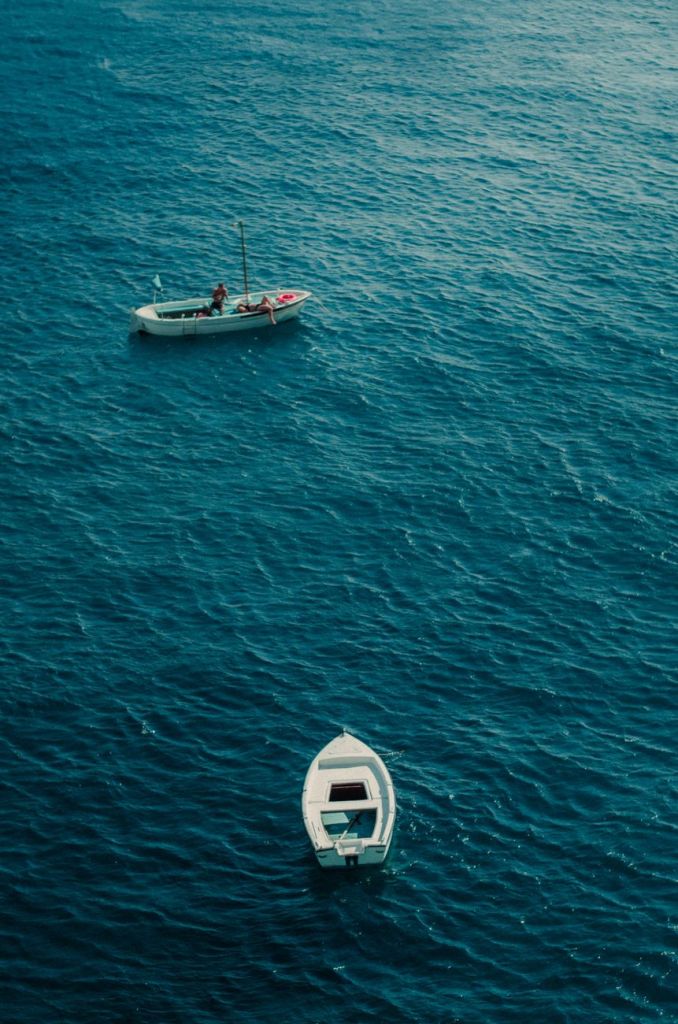
The rescue was not carried out by large warships alone. Alongside the Royal Navy, a fleet of small boats crossed the English Channel: pleasure boats, private yachts, fishing boats and launches. Many were shallow enough to reach the beaches, where larger ships could not go. Some ferried soldiers out to waiting destroyers, and others carried them home across the Channel.
According to a summary of the “Little Ships of Dunkirk”, more than 800 naval and requisitioned vessels and small private boats took part. Some boats were requisitioned by the government, and others were lent by their owners. Many were crewed by Royal Navy sailors and experienced volunteers, and fishermen and a few owners sailed their own boats. The same source also notes that ships from other nations helped, including Dutch coasters and Belgian fishing boats.
It was a team effort, with sailors, boat builders, fishermen and ordinary volunteers all doing their part. Today the Association of Dunkirk Little Ships, founded in 1965, keeps the memory alive.
A Nation on Its Knees
On Sunday, May 26, 1940, the very day Operation Dynamo began, Britain observed a National Day of Prayer. According to the Church Society, King George VI called the nation to pray, and people filled churches, including Westminster Abbey in London.
Many people who lived through those days believed their prayers were answered. The Church Society also says that Sunday, June 9, was set aside as a Day of National Thanksgiving. Historians may debate how to explain every detail of the rescue, and we should be careful not to claim more than the record shows. But it is fair to say that a whole nation turned to God in a dark hour, and that many believed hope followed.
“Then they cry unto the LORD in their trouble, and he bringeth them out of their distresses. He maketh the storm a calm, so that the waves thereof are still.”
— Psalm 107:28-29 (KJV)
A Rescue Is Not a Victory
It is worth saying plainly: Dunkirk was a retreat, and the war went on for years. The soldiers who came home still had hard days ahead. Dunkirk teaches us something different from triumph. It shows what people can do when they refuse to give up on one another.
What Dunkirk Teaches Us Today
- Ordinary people matter. Yachtsmen, fishermen and boat builders never expected to be part of history. They simply answered a call.
- Rescue is a team effort. No single hero saved the day. Many hands, many boats and many prayers did it together. In our family we say it this way: through every storm, we rise together.
- Hope is worth holding onto. The hardest hours are not the end of the story.
Maybe you are in your own “Dunkirk” right now, backed against the water with the way forward unclear. Reach out to someone. Be the small boat for a neighbor, and let others be a small boat for you. Pray, and take the next faithful step.
Who has been a “little ship” in your life, someone who showed up when you needed rescue? Tell us in the comments.
Sources: Encyclopaedia Britannica, “Dunkirk evacuation” (accessed Oct 26, 2026); Wikipedia, “Little Ships of Dunkirk” (accessed Oct 26, 2026); Church Society, “Topical Tuesday: The Dunkirk National Day of Prayer” (accessed Oct 26, 2026); Evangelicals Now, “When the nation prayed” (June 2015); Bible text: KJV via Biblehub.


Leave a Reply