Upstormed Journal · Family Matters · Part 5
Two families come together under one roof. New faces at the breakfast table, new rules, new last names on the mailbox. The grown-ups chose this. The children often did not. And everyone is quietly wondering the same thing: where do I fit now?
Blended families are some of the bravest families there are. They are built on hope after something else ended, whether that was a divorce, a death or a relationship that never became a marriage. They carry two histories, two sets of habits and sometimes two sets of hurts. That is a lot to hold. But with patience, honesty and a lot of grace, a blended family can become a place where everyone belongs.
This part of Family Matters is about how to build that kind of home, one ordinary day at a time.
Give it time, more time than you think
Love in a blended family rarely shows up all at once. Adults sometimes expect the children to feel the same warmth they feel for their new partner, and that can lead to disappointment on both sides. A child can be polite, even kind, and still not be ready to call this new person family.
That is normal. Trust is built in small deposits: showing up to the school play, remembering a favorite snack, keeping a promise. Let the bond grow at its own pace. You are not behind. You are building something that is meant to last.
Try this: drop the deadline. Instead of asking, “Why don’t they love me yet?” ask, “What is one small way I can be safe and steady for them this week?”
Honor the family that came before
Every child in a blended family has a story that started before this household existed. They may still love a parent who lives across town, or miss a parent who has passed away. When a stepparent seems to compete with that love, children often feel they have to choose, and that choice can tear them in two.
Make it clear that no one is being replaced. Speak respectfully about the other parent, especially in front of the children, even when it is hard. Let kids keep photos, keepsakes and traditions from their other home. A child who does not have to defend their first family is far more free to open their heart to the new one.
Let the parent lead on discipline at first
One of the most common sources of tension in a blended home is who gets to set the rules. When a stepparent steps in too quickly as the enforcer, children often push back with the words every stepparent dreads: “You’re not my mom,” or “You’re not my dad.”
Many families find it works better when the biological parent handles most of the correction early on, while the stepparent focuses on building a friendship and backing up the house rules. As trust grows, the stepparent’s role can grow with it. Behind closed doors, though, the two adults need to be on the same page. Talk through bedtimes, screen time, chores and consequences privately, then present a united front. Children feel safer when the grown-ups agree.
Make room for everyone’s feelings
Children in blended families may feel many things at once: excited and sad, grateful and angry, relieved and guilty. They might resent sharing a bedroom, sharing a parent’s attention or giving up the way things used to be. Teens especially may pull away or test the limits.
Resist the urge to correct every feeling. Listen first. “It sounds like this has been really hard for you” opens more doors than “You should be grateful.” Make sure each child gets some one-on-one time with their own parent, without the new siblings or stepparent around. Those small moments remind them they have not lost their place.
And grown-ups have feelings too. A stepparent can feel like an outsider in their own home. A parent can feel stuck in the middle. Be honest with each other, and do not carry it alone. A pastor, counselor or a support group for stepfamilies can be a real gift.
Build new traditions together
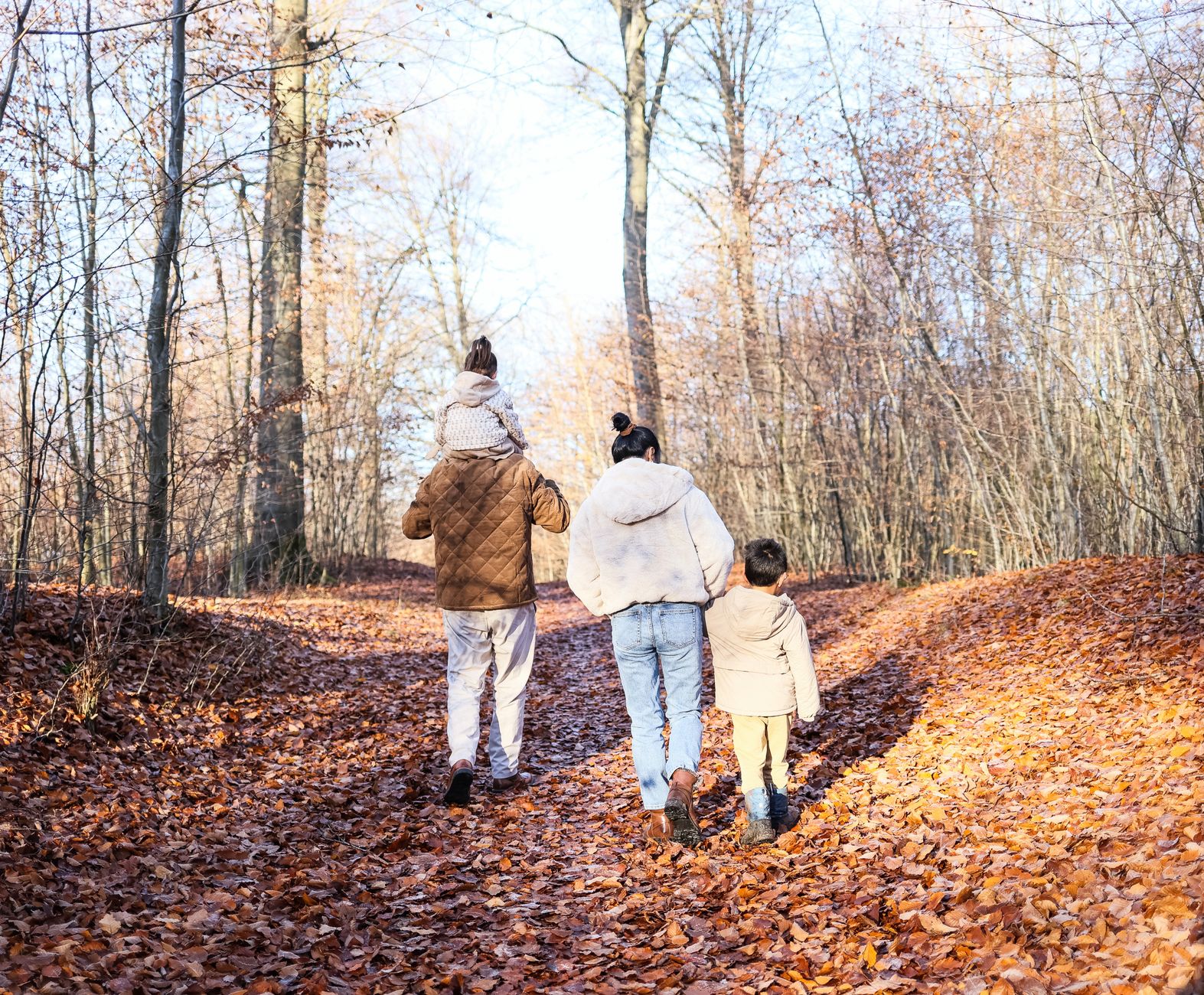
Shared memories are the glue of any family. In a blended family, you get the chance to create some from scratch. Keep a few treasured traditions from each side, and then invent some that belong only to this household: a Friday pizza night, a silly holiday ornament everyone picks together, a family walk after Sunday dinner, a prayer you all say before bed.
Let the children help choose. When kids have a say in what “our family” does, they begin to feel it is theirs too. With the holidays here, this is a perfect season to start one new thing together, and to be flexible when schedules between two households get complicated.
Protect the marriage at the center
In the rush of custody schedules, school pickups and sibling squabbles, it is easy for a couple to forget about each other. But a steady, loving partnership is the foundation the whole house stands on. Children who watch two adults treat each other with kindness and patience learn that this new family is safe.
Make time to talk about something other than logistics. Pray together. Forgive quickly. And remember you are on the same team, even on the days it does not feel that way.
“Be kindly affectioned one to another with brotherly love; in honour preferring one another.”
Romans 12:10 (KJV)
A blended family check-in
- Have I let go of any deadline for how fast everyone should bond?
- Do the children know they never have to choose between their homes?
- Have we agreed, as adults, on the house rules before enforcing them?
- Did each child get some one-on-one time with their parent this week?
- Is there at least one tradition that belongs to “us”?
- Have we, as a couple, spent time together that was not about schedules?
- Is anyone in our home feeling like an outsider right now?
A blended family is not a second-best family. It is a family that chose to try again, to love again and to make room for one another. Some days it will feel messy. But mess is where grace does its best work, and given time, the people under your roof can become the people you cannot imagine life without.
Your turn: what is one thing that helped your blended family, or a family you love, start to feel like one?
Follow the whole series at Family Matters.

Leave a Reply