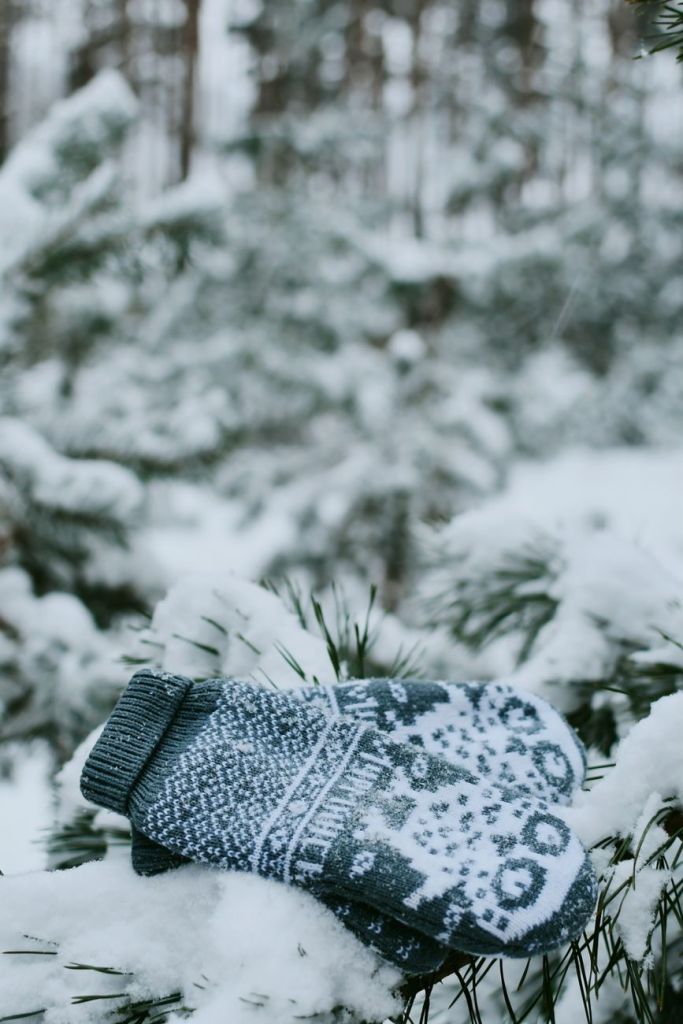
The first truly cold days of winter bring their own kind of joy: sledding hills, snowball battles, and kids who refuse to come inside until their cheeks are bright pink. Those memories are worth making. But cold air can also quietly harm the body, and the people most at risk are often the ones who cannot tell us something is wrong.
Here is what every family should know about frostbite and hypothermia, explained in plain words, so you can enjoy the season with confidence.
What is happening in the body
Hypothermia happens when the body loses heat faster than it can make it, and body temperature drops too low. The Centers for Disease Control and Prevention (CDC) calls it a medical emergency. It can happen even when it is not bitterly cold, especially if someone is wet from rain, sweat, or snow.
Frostbite is damage to the skin and the tissue beneath it caused by freezing. According to the CDC, it most often affects the nose, ears, cheeks, chin, fingers, and toes. MedlinePlus, the National Library of Medicine’s health site, notes that in severe cases the damage can be permanent.
Who is at higher risk
The CDC lists several groups who need extra watching:
- Babies, especially those sleeping in cold bedrooms. Infants cannot tell you they are cold, so adults have to watch for them.
- Older adults who may not have enough food, warm clothing, or heat at home.
- People with poor circulation.
- Anyone outdoors for long periods, such as hikers, hunters, and people without stable housing.
- People who have been drinking alcohol or using drugs.
This is a good week to check on an elderly neighbor or relative. Is the furnace working? Do they have warm blankets? A short visit can be a real act of love.
Warning signs to watch for
Hypothermia
In adults and older children, the CDC lists shivering, exhaustion, confusion, fumbling hands, memory loss, slurred speech, and drowsiness. In babies, the signs look different: bright red, cold skin and very low energy.
Frostbite
Early on, skin may look red and hurt. As it worsens, the CDC says it may turn white or grayish-yellow, feel unusually firm or waxy, and go numb. Because numb skin does not hurt, a child may not notice frostbite until an adult spots it. Make a habit of checking faces, ears, and fingers whenever kids come in from playing.
Dress in smart layers
The CDC recommends several loose layers rather than one tight, heavy garment, along with a water-resistant coat and boots. Cover the head, face, and ears with a hat and scarf or knit mask. MedlinePlus suggests mittens over gloves, two pairs of socks, and avoiding tight boots that squeeze off circulation.
Wet clothing pulls heat away from the body quickly, so bring kids in to change when their gloves or socks get soaked, then let them head back out.
What to do while waiting for help
Call 911 or your local emergency number if you think someone has hypothermia, as Mayo Clinic advises. Call right away if the person is confused, very drowsy, unresponsive, or not breathing. While you wait, general first aid steps from the CDC and Mayo Clinic include:
- Move the person indoors or out of the wind. If you must stay outside, put a blanket underneath them to block cold from the ground.
- Gently remove wet clothing and replace it with dry layers or blankets.
- Warm the center of the body first: chest, neck, head, and groin. Mayo Clinic warns against rubbing or warming the arms and legs.
- Handle the person gently and avoid rapid rewarming like hot baths or heat lamps.
- Offer a warm, non-alcoholic drink only if the person is fully awake and able to swallow.
- If there are no signs of life, start CPR and keep going until help arrives, the CDC says.
For frostbite, the CDC and MedlinePlus advise getting the area checked by a health care provider. Until then, do not rub the skin or use snow on it, and avoid heating pads, fireplaces, or hair dryers, since numb skin burns easily. Use water that feels comfortably warm, not hot, or body heat, like tucking fingers into an armpit. MedlinePlus adds that you should not thaw an area if it could freeze again, and leave any blisters alone.
“She is not afraid of the snow for her household: for all her household are clothed with scarlet.” Proverbs 31:21 (KJV)
That picture of a household ready for winter is a lovely goal. Preparing well is not about fear. It is about caring for the people God has placed in our lives, so we can rest and enjoy the beauty of a snowy day together.
This article is general information, not medical advice. If you have questions about cold-weather risks for your baby, an older relative, or someone with a health condition, check with your doctor.
How does your family stay warm and safe when the snow starts falling?
Sources: CDC, “Preventing Hypothermia” (August 25, 2026); CDC, “Preventing Frostbite” (August 25, 2026); MedlinePlus, “Frostbite” (October 14, 2025); Mayo Clinic, “Hypothermia: First aid” (April 16, 2024).




Leave a Reply