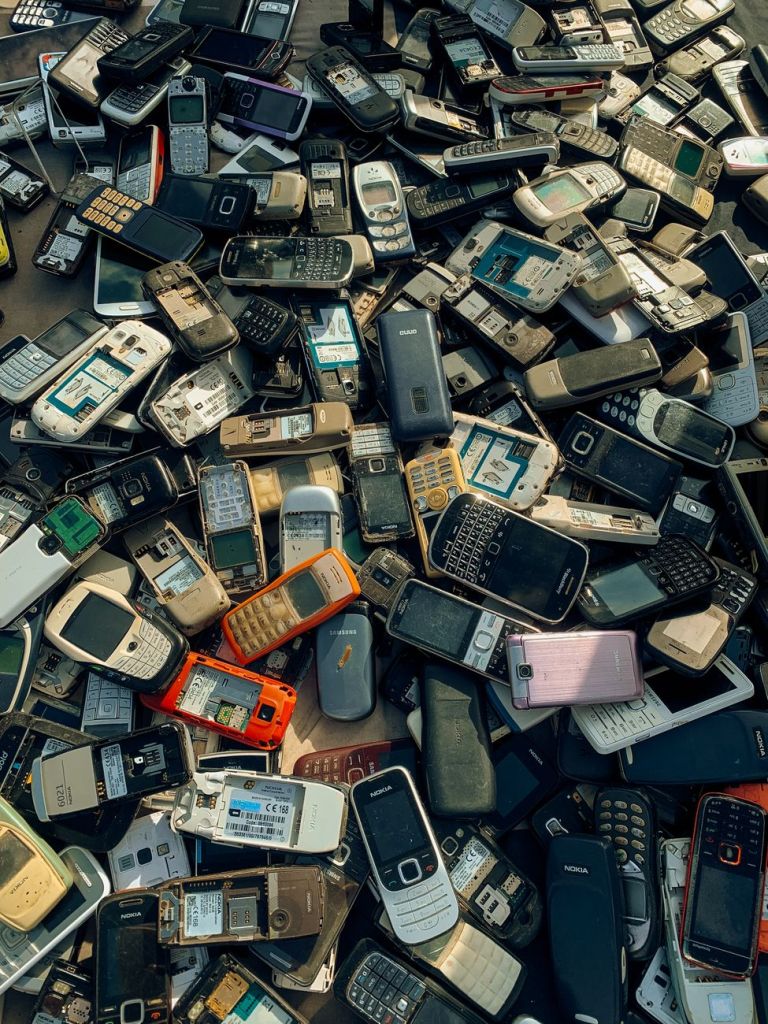
On the edge of Accra, Ghana’s capital, sits a place many people around the world have seen in photographs without knowing its name: Agbogbloshie. For years it has been described as one of the largest informal electronic-waste sites on earth, a sprawling heap where old phones, cables, fridges and car parts end up. This month, reporters returned to see how a major government cleanup is going, and the story is a mix of real hardship and real hope.
What is Agbogbloshie?
Agbogbloshie lies on the delta of the Korle Lagoon, one of Accra’s most polluted waterways. Over decades, thousands of tonnes of refuse piled up there, much of it from outside Ghana. Next to the dump is a settlement of about 80,000 people, many of them migrants and small traders.
The work there is hard and often dangerous. According to an AFP report carried by Africanews on November 11, workers take apart appliances by hand to recover copper, aluminium and iron, often with no gloves or masks. Burning cables and batteries to reach the metal inside releases lead, mercury and other harmful smoke. One scrap worker told reporters he earns roughly 50 to 100 cedis a day, about $4 to $9.
A University of Ghana epidemiologist, Reginald Quansah, explained that no study has yet tied specific illnesses to the site, but he warned that workers face risks to their lungs and nervous systems, and that pollution builds up over time.
A big cleanup, and a bigger promise
In September, President John Dramani Mahama launched an emergency effort to clear the site. A drone survey estimated the pile at about one million tonnes of waste. Military and public works equipment have been hauling it, much of it at night, to an engineered landfill at Adepa, near Nsawam, roughly 50 kilometers (31 miles) outside Accra, where it is compacted and covered. The government set a goal of about 90 days for the job.
What makes this effort stand out is how it treats the people who have lived from the dump. Local Government Minister Mahama Ayariga has said the plan is not to push informal workers out, but to bring scrap pickers and tricycle haulers into a formal recycling system. He hopes the effort can create up to 20,000 permanent jobs in waste management and recycling. Ghanaian outlets reported in September that the government wants the reclaimed land to become an industrial park, including a planned textile factory to employ young people.
Why the world’s leftovers end up in Ghana
Agbogbloshie is not only about electronics. Greenpeace estimates that around 15 million used garments arrive in Ghana every week. Traders sell what they can, but roughly half ends up as waste, dumped or burned. In samples Greenpeace tested, 89 percent of these discarded garments contained plastic-based fibers such as polyester. Ghana, a nation of about 35 million people, could never use that many clothes on its own.
In other words, part of this problem began in the closets and junk drawers of wealthier countries. That makes Ghana’s cleanup a story the whole world shares.
What families can learn and do
Stories like this can feel far away, but there are simple, practical steps any household can take:
- Recycle electronics responsibly. Look for certified e-waste recyclers or store take-back programs instead of tossing old phones and chargers in the trash.
- Repair before replacing. A new battery or screen can add years to a device.
- Buy clothes to last. Fewer, better-made clothes mean less waste shipped overseas.
- Donate wisely. Give clean, wearable items to local charities that can actually use them.
- Pray and learn together. Find Ghana on a map with your children and pray for the workers, families and leaders at Agbogbloshie.
There are honest questions still to answer. Officials have not shared a timeline for the 20,000 jobs, and cleaning up long-term soil and lagoon pollution will take years. But choosing to include the poorest workers in the solution, instead of simply clearing them away, is a hopeful sign.
Rebuilding what was broken
The prophet Isaiah described God’s people as rebuilders of ruined places:
“And they that shall be of thee shall build the old waste places: thou shalt raise up the foundations of many generations; and thou shalt be called, The repairer of the breach, The restorer of paths to dwell in.” (Isaiah 58:12, KJV)
Agbogbloshie reminds us that no place is too broken for restoration, and no worker too small to matter. Through every storm, we rise together.
What is one change your family could make this month to waste less and help places like Agbogbloshie?
Sources: Africanews (with AFP), “Ghana’s waste crisis: Cleanup targets toxic waste and 20,000 jobs” (November 11, 2026); OkayAfrica, “Today in Africa, Nov. 11, 2026” (November 11, 2026); Ghana News Agency, “Mahama commissions evacuation of Agbogloshie waste heaps to Adepa” (September 18, 2026); MyJoyOnline, “Mahama unveils plans for textile factory at reclaimed Agbogbloshie site” (September 18, 2026).




Leave a Reply