Some weeks, the headlines feel heavy. But between November 7 and 14, 2026, three quieter stories showed what steady, patient effort can do. Children could soon be fed every school day, simple bedside checks are saving lives from an old disease, and a sea once given up for dead is filling back up. Here is what happened and why it matters.
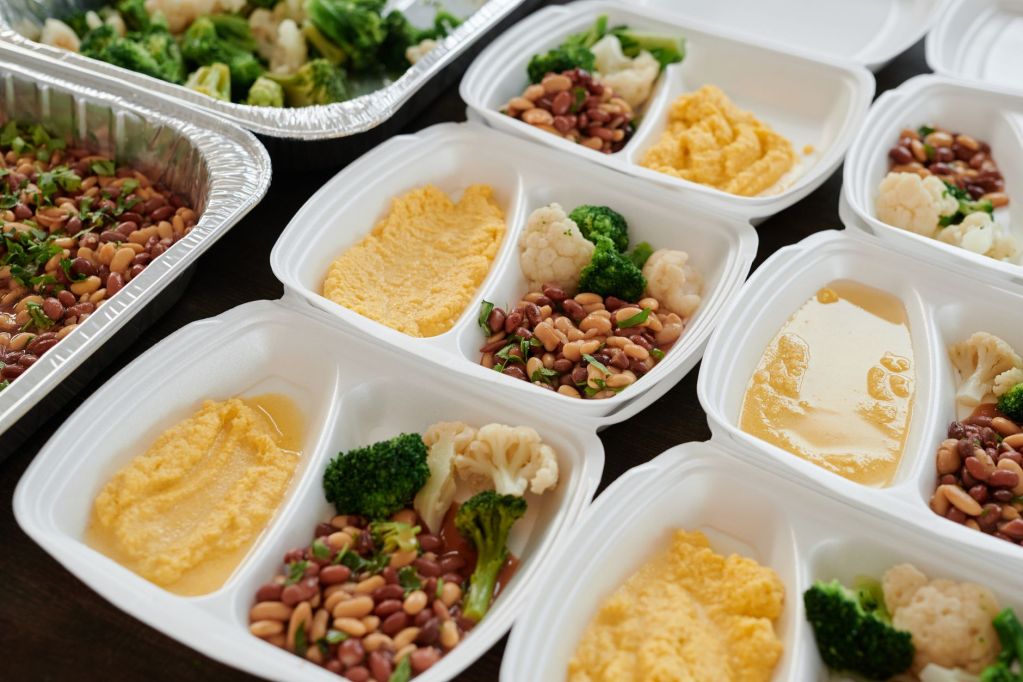
1. Free daily meals move closer for millions of Filipino schoolchildren
On November 7, lawmakers in the Philippines reached final committee agreement on the National Children’s Nutrition Program Act, also called the “Libreng Pagkain sa Paaralan” (Free Food in School) bill.
The bill would give free daily meals to all public school children from kindergarten through Grade 3. Older elementary students in Grades 4 to 6 would also be covered if health checks show they are undernourished or stunted. The meals would last the full school year of 180 to 200 days, instead of the 120-day limit of earlier programs. Reports cited data showing that nearly one in three Filipino children under five is stunted, meaning they are too short for their age because of poor nutrition.
Senator Bam Aquino, the bill’s main sponsor, said, “Our children learn more easily when their stomachs are full and they receive proper nutrition while studying.” The bill still has final steps to go before it becomes law.
Why it matters: A hungry child struggles to learn. A steady meal, every school day, can change the course of a whole life.
“And if thou draw out thy soul to the hungry, and satisfy the afflicted soul; then shall thy light rise in obscurity, and thy darkness be as the noonday.”
Isaiah 58:10 (KJV)
2. Simple checks cut tuberculosis deaths in an Indian state
Tuberculosis, or TB, is an old disease that can be cured, yet it still takes many lives, often because the sickest patients are not spotted in time. A study published on November 7 in the journal BMJ Global Health shows how one Indian state is changing that.
Since 2022, Tamil Nadu has run a program called TNKET, which aims to make the state free of TB deaths. When an adult is diagnosed, health workers check five simple things: body weight for height, swelling in the feet, breathing rate, oxygen level, and whether the person can stand without help. Those who look severely ill are sent quickly to hospital care.
According to the researchers, from India’s National Institute of Epidemiology and the state TB office, the death rate among these patients was 6.3% when the program began. It fell to 3.9% for people diagnosed in late 2024 and to 2.8% for those diagnosed in mid-2025, a drop of 38% to 56%. The state diagnoses about 60,000 such adults each year in public clinics.
The researchers also noted that follow-up after patients left the hospital still needs work, and that this kind of care must be kept up over time.
Why it matters: You do not always need expensive machines to save lives. Careful attention, basic tools and a clear plan can make a real difference for the poorest patients.
3. The North Aral Sea keeps coming back
For decades, the Aral Sea in Central Asia was a symbol of environmental loss. Rivers that fed it were drained for farming, and much of it dried into desert, leaving fishing boats stranded on sand.
On November 10, at the COP31 climate conference in Türkiye, Kazakhstan’s deputy ecology minister, Mansur Oshurbayev, gave an update on the northern part of the sea. According to his presentation, as reported by AnewZ, the North Aral’s water volume has grown 24% since 2022 to about 23.4 billion cubic meters. A dam called the Kokaral has helped cut its saltiness roughly in half, and fish populations have recovered. Officials also reported planting more than 56 million saxaul seedlings, a hardy desert shrub that helps hold sandy soil in place.
There is more work ahead. A World Bank-backed plan aims to raise the sea’s volume further, and Kazakhstan and neighboring Uzbekistan signed an agreement in 2025 to manage shared water together.
Why it matters: Damage that looks permanent is not always the end of the story. With patience and cooperation, even a dying sea can begin to live again.
A simple family challenge
Each of these stories began with someone refusing to give up. Talk about one of them at dinner this weekend. Then choose a small way to help: donate to a local food pantry or school lunch fund, thank a nurse or health worker you know, or plant something together and watch it grow. Good news grows when we pass it on.
Which of this week’s stories gave you the most hope, and what small step could your family take this week?
Sources: The Manila Times via Newswav, “Bicam approves expanded school feeding program” (November 7, 2026); Fix The News, “Philippines approves year-round school meals” (November 7, 2026); ThePrint/PTI, “Tamil Nadu’s TB care initiative records at least 38% reduction in deaths” (November 8, 2026); DT Next, “Tamil Nadu’s TB care initiative records at least 38% reduction in deaths” (November 8, 2026); AnewZ, “Kazakhstan reports 24% rise in North Aral Sea water volume as restoration advances” (November 10, 2026); AKIpress, “North Aral Sea water volume increases to over 23 billion cubic meters” (November 10, 2026).


Leave a Reply