Thanksgiving is less than two weeks away, and for many families the calendar is already filling up: travel plans, potlucks, school programs, church dinners, shopping lists and the long run toward Christmas. It is a season many of us truly love. It is also, for a growing number of people, a season that brings real strain.
The good news is that holiday stress is not a personal failure, and there are simple, sensible ways to protect your peace before the busiest weeks begin. One of the most helpful is something counselors talk about often: healthy boundaries.
More people are feeling the pressure
In its Healthy Minds Poll released November 18, 2025, the American Psychiatric Association found that 41% of U.S. adults expected more holiday stress than the year before, a sharp jump from 28% in 2024. Younger adults, ages 18 to 34, were the most likely to say so.
The top worries were deeply human: missing someone or grieving a loss, affording or finding gifts, and difficult family dynamics, which nearly one in three people named. Yet the same poll held a hopeful note. About 44% said the holidays actually have a positive effect on their mental health, up from 38% the two years before. The season can lift us up. It just helps to go in with a plan.
What a boundary really is
A boundary is not a wall, and it is not a punishment. It is simply a clear, kind decision about what you can give and what you cannot, so that you can show up with love instead of resentment. Boundaries protect relationships as much as they protect you.
Mayo Clinic’s guidance on holiday stress puts it plainly: learn to say no. Its experts note that taking on more than you can handle can leave you feeling resentful, and that if you do take on something extra, it is wise to drop something else to make room.
Practical boundaries for the weeks ahead
- Decide your “yeses” early. Sit down this week with your spouse or family and pick the gatherings and traditions that matter most. Everything else is optional.
- Set time limits in advance. “We can come from two until six” is a gift to everyone. Hosts can plan, and you leave before you are worn thin.
- Have a kind script ready. A simple “Thank you so much for thinking of us. We can’t this year, but we’d love to see you in January” works for most invitations.
- Pick one or two topics to set aside. Mayo Clinic suggests accepting family members as they are and saving disagreements for a better time. A gentle “Let’s not get into that today. How is your new job going?” can turn a conversation.
- Agree on a signal. Couples and older kids can choose a quiet word or gesture that means “I need a break” or “it’s time to head home.”
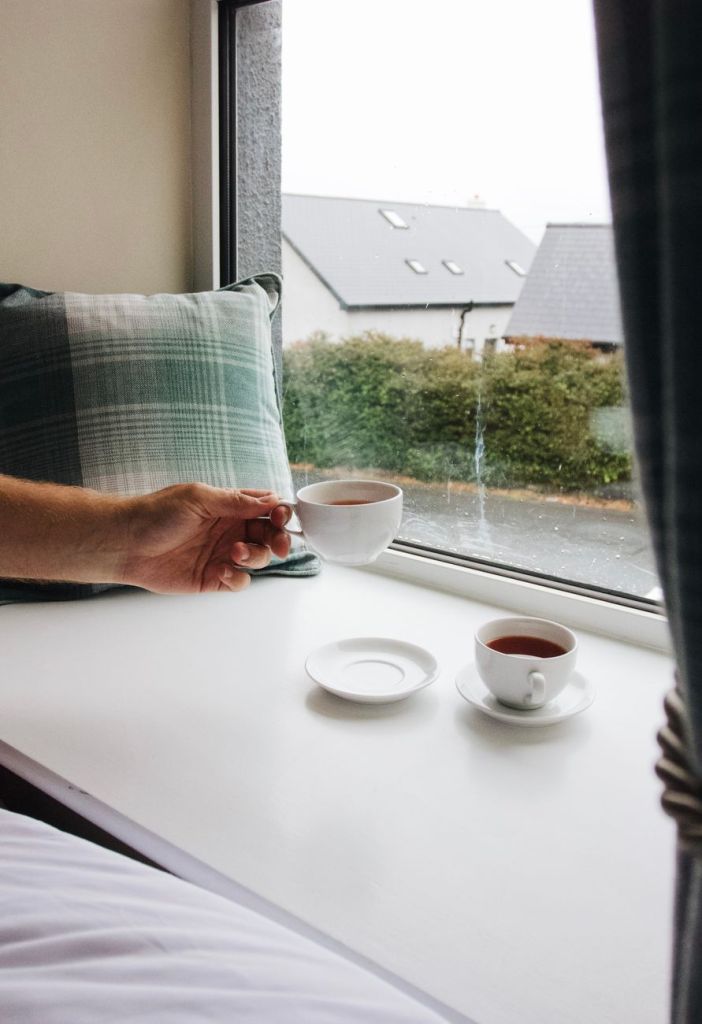
- Protect a little time alone. Mayo Clinic notes that even 15 minutes on your own can help you recharge. A short walk, a quiet cup of tea or a few minutes of prayer all count.
Keep the basics steady
When schedules get crowded, the everyday habits that keep us balanced are usually the first to go. The National Institute of Mental Health’s stress fact sheet encourages regular meals and exercise, a consistent sleep routine, not overdoing caffeine, keeping a journal, and reaching out to friends or family who help you cope in a positive way. It also suggests noticing and challenging unhelpful thoughts, such as “everything has to be perfect.”
Mayo Clinic adds a reminder worth taping to the refrigerator: the holidays don’t have to be perfect, or just like last year. Choose a few traditions to keep, be open to new ones, and let the rest go.
When stress is more than stress
Ordinary seasonal stress comes and goes. But if sadness, anxiety, trouble sleeping or a sense of hopelessness hang on, or if stress keeps you from everyday life, NIMH and Mayo Clinic both encourage talking with a health care provider or mental health professional. There is no shame in asking for help. If you or someone you love is in crisis or thinking about self-harm, call or text 988 in the U.S. to reach the 988 Suicide & Crisis Lifeline.
This article is general information, not medical advice. Please check with your doctor or a licensed counselor about your own health and any concerns you have.
Rest is part of the plan
Saying no to one more event can feel selfish, but it often makes room for what matters most: being fully present with the people across the table. Jesus himself invited weary people to come and rest.
“Come unto me, all ye that labour and are heavy laden, and I will give you rest.” (Matthew 11:28, KJV)
This season, you are allowed to slow down, choose carefully and protect your peace. The people who love you will be glad to have the rested, joyful version of you.
What is one boundary that has helped your family enjoy the holidays more?
Sources: American Psychiatric Association, “Americans More Anxious About the Holidays” (November 18, 2025); Mayo Clinic News Network, “Tuesday Tips: Coping with stress, depression and the holidays” (December 3, 2019); National Institute of Mental Health, “I’m So Stressed Out! Fact Sheet”; KJV Matthew 11:28.




Leave a Reply