
Some weeks the headlines feel heavy. But if you look past the loudest stories, there is usually quiet good news too: a friend giving part of herself so a young man can live, rescuers walking through the dark to reach people in trouble, and a treasured piece of history coming back into the light. Here are three hopeful stories from the past week, explained simply.
1. A young officer gets a new kidney, thanks to a friend
Quas’Jon “Q” Flowers is a young police officer in Albany, Georgia. Last winter, at age 25, he was facing stage 5 kidney failure, linked to a condition that runs in his family. His kidneys were working at only a small fraction of normal, and he was preparing for dialysis at home while waiting for a transplant.
His family decided to ask for help. They shared his story publicly, and it spread to thousands of people across South Georgia and beyond. A family friend, Mary Alice Faircloth, went through screening and turned out to be a match. Another volunteer who was not a match offered to donate a kidney through a voucher program, a way of helping someone else on the waiting list.
As WALB reported on November 12, the transplant took place on October 29 at Piedmont Atlanta Hospital. According to his wife, the new kidney began working almost right away, and Officer Flowers was up and walking the same day. Both he and Ms. Faircloth are recovering well. He is taking about three months off work to heal, and he thanked everyone who got tested, shared his story or prayed for him.
Why it matters for families: Living donation is a serious decision, and it is not right for everyone. But this story shows what can happen when a community rallies around one person. The family hopes it encourages others to learn about organ donation, and they note that a younger cousin is now looking for a donor too. If your family is curious, talk together and ask a doctor or a transplant center for reliable information.
2. A night rescue in Tasmania’s wild south-west
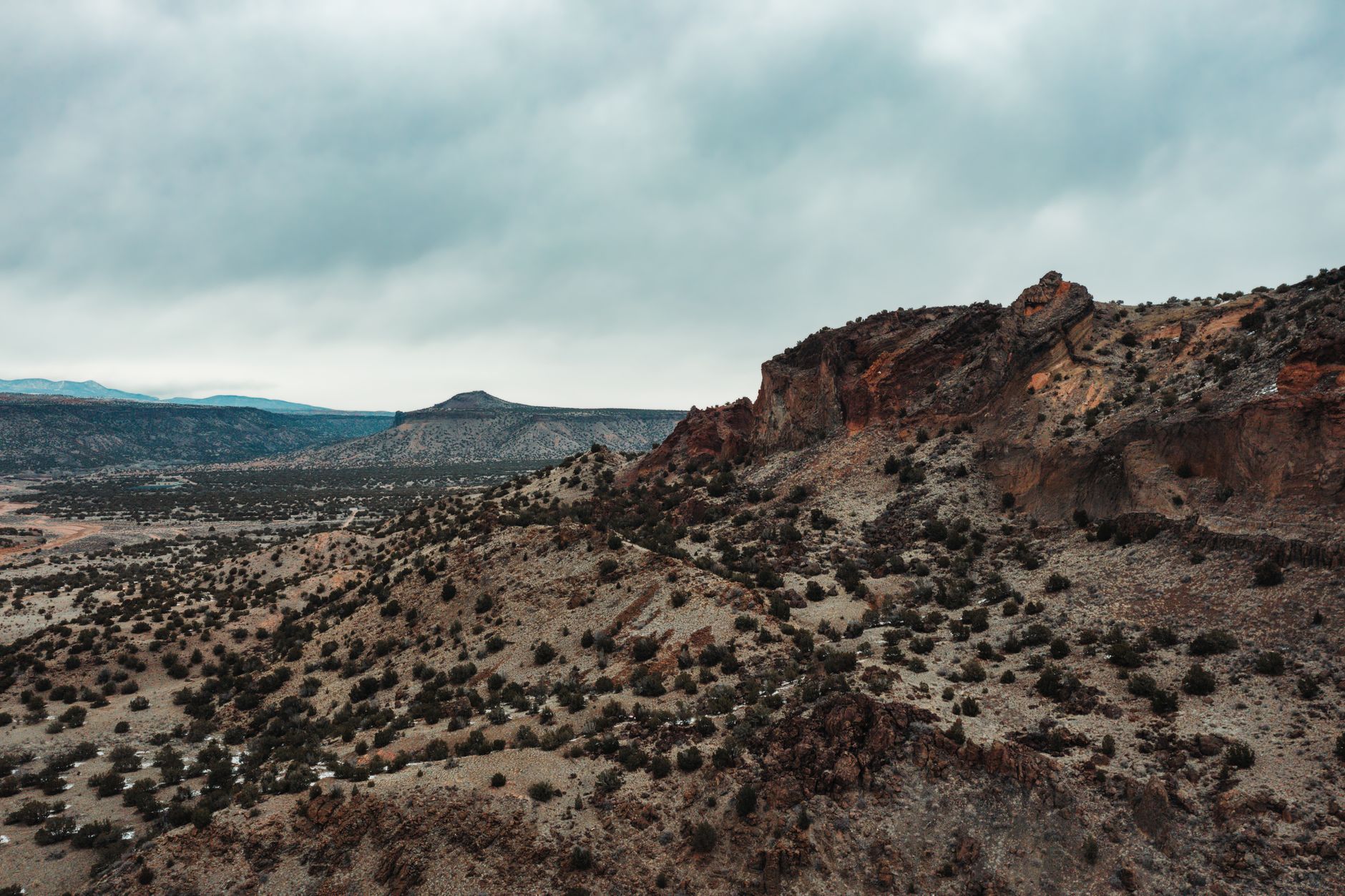
On Saturday evening, November 14, two women from South Australia, aged 58 and 26, were on an overnight hiking trip in the Western Arthur Range, one of the most rugged areas of Tasmania, Australia. Around 8 p.m., near Haven Lake, they used a satellite device to call for help because of the conditions they were facing.
According to ABC News Australia, bad weather kept the rescue helicopter from reaching them. So a search and rescue crew was dropped at the nearest reachable point at 5 a.m. on Sunday and walked in on foot. The team reached the women at about 8 a.m. They were checked over as a precaution and did not need medical treatment.
A lesson worth sharing: These hikers did one very wise thing: they carried a way to call for help where phones often do not work. If your family hikes, camps or travels in remote places, consider a personal locator beacon or satellite messenger, tell someone your route and return time, and check the weather before you go.
3. Dr. King’s handwritten draft comes out of a desk drawer
On November 9, The New York Times reported that a seven-page handwritten draft of Dr. Martin Luther King Jr.’s famous 1963 speech at the March on Washington has come to light. It is described as the only known handwritten draft of the speech. Dr. King wrote it in blue ink on a yellow pad late on August 27, 1963, working into the early hours of the next morning before it was sent to be typed.
The pages were kept for decades in the desk of Edward T. Clayton, a former aide to Dr. King who died in 1966. His widow, Xernona Clayton, first noticed an envelope marked “speech” in the late 1990s, put it back, and returned to it in 2024.
The draft is full of crossed-out words, showing how hard Dr. King worked over each line. Like the typed copy he carried to the podium, it does not include the famous “I have a dream” passage, which he spoke from the heart that day. Christie’s plans to auction it in New York on January 22, 2027, with proceeds going to the King Center in Atlanta and other charitable causes. It goes on public display in Atlanta at the National Center for Civil and Human Rights from November 16 to 22.
Why it matters: Even great words begin as rough drafts. For children who think they must get everything right the first time, those crossed-out lines are a gentle lesson: keep working, keep revising, and do not give up on what you are trying to say.
Holding on to hope
None of these stories fixes everything. But each one shows people doing their part with care, courage and faithfulness. Hope is not pretending the storm is not there. It is trusting that God is still at work in the middle of it.
“Now the God of hope fill you with all joy and peace in believing, that ye may abound in hope, through the power of the Holy Ghost.”
(Romans 15:13, KJV)
Which of these three stories gave you the most hope this week, and why?
Sources: WALB, “Albany officer receives kidney transplant after community-wide search for donor” (November 12, 2026); WSB-TV, “25-year-old Georgia police officer battles stage 5 kidney failure” (December 30, 2025); ABC News Australia, “Two bushwalkers rescued from Western Arthur Range in Tasmania’s south-west” (November 15, 2026); The New York Times via The Philadelphia Inquirer, Martin Luther King Jr. draft speech report (November 9, 2026); WSB-TV/Cox Media Group, “MLK’s handwritten draft of ‘I Have A Dream’ speech headed to auction” (November 2026); KJV Romans 15:13.


Leave a Reply