On November 29, 1832, a baby girl was born in Germantown, Pennsylvania, on the very same day as her father’s birthday. Her name was Louisa May Alcott. She would grow up poor, work almost any job she could find, nurse wounded soldiers, fall gravely ill, and then, at 35, write a book that families are still reading aloud nearly 160 years later.
This Sunday marks 194 years since her birth. In the week we set our tables and count our blessings, she reminds us that a home can be rich in love long before it is rich in anything else.
A House Full of Ideas, a Cupboard Often Empty
Louisa was the second of four daughters: Anna, Elizabeth, Louisa and the youngest, Abba May. Their father, Bronson Alcott, was a teacher with big dreams about how children should learn. Their mother, Abigail May, raised the girls on what the family’s historic home museum calls a practical Christianity, faith that showed up in helping others.
Their home was full of books. Louisa had lessons from Henry David Thoreau, borrowed books from Ralph Waldo Emerson, and staged homemade plays with her sisters in a barn.
But money was always short. Her father’s Boston school failed. So did a farming community he helped start. The Alcotts moved again and again, and the girls went to work young.
“I Will Do Something By and By”
At about 15, Louisa made a promise to herself. Her family later preserved her words: “I will do something by and by.” She wanted to lift some of the weight from her mother’s shoulders.
So she took whatever honest work came her way. She taught. She sewed. She was a governess and a household servant, and she took in laundry. In between, she wrote, and her writing began to bring in money. Her first book, a set of fairy stories called Flower Fables, came out in December 1854.
A Nurse in Wartime
When the Civil War came, Louisa went to Washington, D.C., to serve as a nurse in a Union Army hospital. She wrote letters home about the men she cared for. Then she caught typhoid fever and had to return to Concord, Massachusetts, very sick.
Her treatment likely included mercury, which is believed to have harmed her health for the rest of her life. Still, she made something of those hard months. Her letters became a book, Hospital Sketches, in 1863.
“Write a Story for Girls”
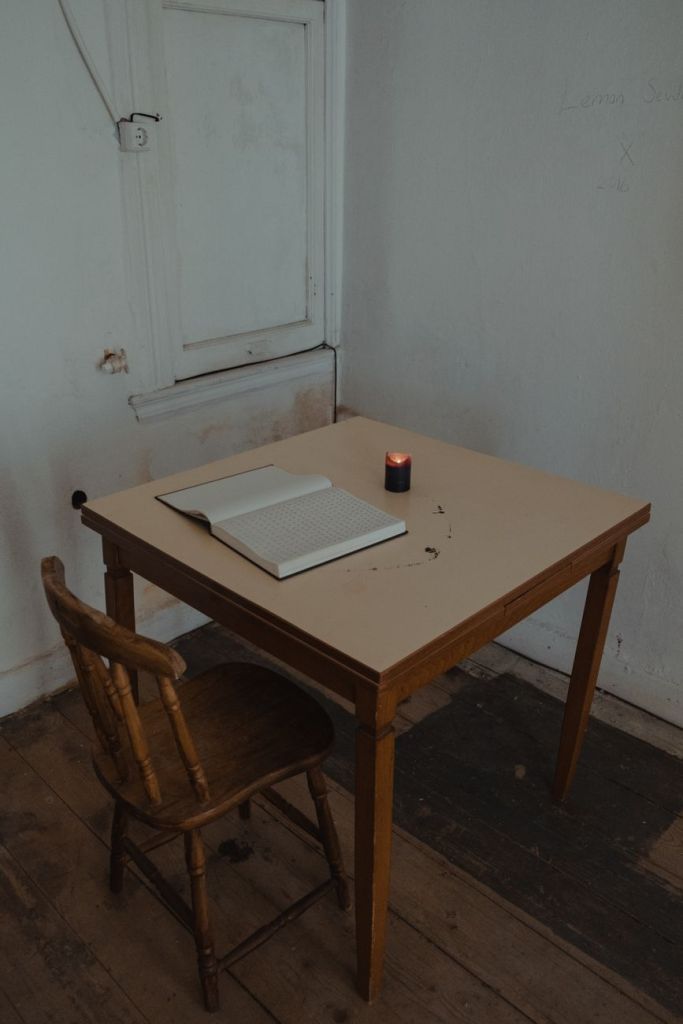
In 1868, a publisher named Thomas Niles asked Louisa for a story for girls. She sat down at a small desk her father had built in her bedroom at Orchard House, the family’s home in Concord, and wrote about what she knew best: four sisters, a loving mother, very little money and a great deal of heart.
She finished the first part of Little Women within about three months. It was a success almost right away. A second part followed in 1869, and later came Little Men and Jo’s Boys.
Readers loved Jo March, the bold, bookish sister much like Louisa herself. Many remember an early scene. On Christmas morning, Marmee asks her daughters to give their special breakfast to a poor neighbor family who are going hungry. The girls carry the food over and come home to bread and milk. That small chapter holds the book’s heart.
“Better is a dinner of herbs where love is, than a stalled ox and hatred therewith.”
Proverbs 15:17 (KJV)
Keeping Her Promise
Louisa did “do something.” The money from her books gave her parents a comfortable home in their later years. When loss struck the family, she supported her parents, her sisters’ children and others who depended on her. When her youngest sister died, Louisa took in that sister’s little daughter.
She also worked for women’s right to vote, and in 1879 she became the first woman to vote in a school committee election in Concord. In all, she published more than 30 books and collections. Louisa died on March 6, 1888, just two days after her father.
What Louisa Teaches Us Today
Her life was no fairy tale, but a story of steady, faithful effort. A few lessons for this holiday week:
- Hard seasons are not wasted. Louisa’s poverty, her jobs and even her illness became the material for the stories that made her name. God can use the chapters we would rather skip.
- Small promises matter. A teenager’s quiet “by and by” grew into a lifetime of caring for her family. Ask your kids what they hope to “do by and by,” and listen closely.
- Generosity starts at the table. The March girls gave away their Christmas breakfast. This Thanksgiving, think about one neighbor your family could share with.
Louisa never had much to start with. But she had a loving home, a willing heart and a promise she kept. That turned out to be more than enough.
Did you read or watch Little Women growing up, and which March sister were you most like?
Sources: Library of Congress, “Today in History: November 29” (accessed Nov. 23, 2026); National Women’s History Museum, “Louisa May Alcott” biography (accessed Nov. 23, 2026); Louisa May Alcott’s Orchard House, “Louisa May Alcott” (accessed Nov. 23, 2026); LitCharts, “Little Women Part 1, Chapter 2: A Merry Christmas” summary (accessed Nov. 23, 2026).


Leave a Reply