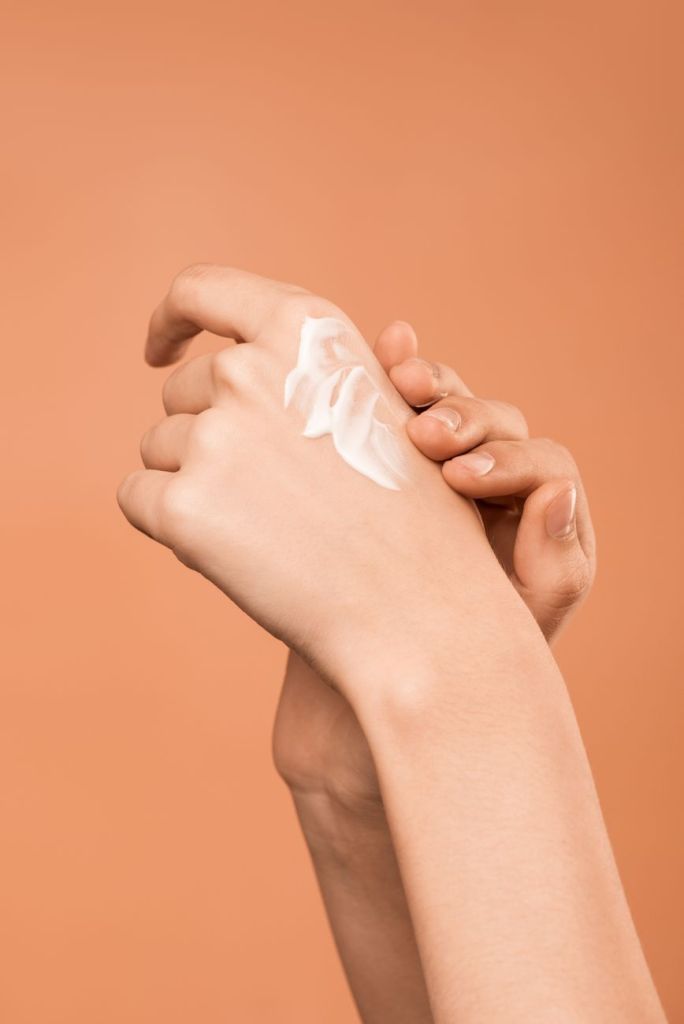
As the heat comes on and the air turns crisp, many families notice the same thing: hands that crack, lips that peel, and little legs that itch at bedtime. Dry winter skin is one of the most common complaints of the season. It is usually more of a nuisance than a danger, but it can be uncomfortable, and for children it can mean restless nights.
The encouraging part is that a few simple habits, recommended by dermatologists and pediatricians, can make a real difference for the whole family.
Why winter is so hard on skin
Cold outdoor air holds little moisture, and indoor heating dries the air even further. Add long hot showers, frequent handwashing during cold and flu season, and scratchy sweaters, and the skin’s natural protective oils get stripped away faster than they can be replaced. The result is tight, flaky and sometimes itchy skin.
Rethink the shower and bath
- Keep it short and warm, not hot. The American Academy of Dermatology (AAD) suggests showers or baths of about five to ten minutes in warm water. For babies and toddlers, the American Academy of Pediatrics (AAP) suggests keeping baths under ten minutes in lukewarm water.
- Go gentle on soap. Use a mild, fragrance-free cleanser, and only where it is needed. Bubble baths, deodorant soaps and strongly scented products can be harsh on dry skin.
- Pat, don’t rub. Blot skin dry with a soft towel so a little moisture stays behind.
Moisturize at the right moment
Timing matters as much as the product. Both the AAD and the AAP advise applying moisturizer right after bathing, while the skin is still slightly damp, to help lock water in. Dermatologists also suggest reapplying after washing your hands and anytime skin feels dry. Keeping a small tube of hand cream by the sink or in your coat pocket makes this easy.
When choosing a product, thicker usually works better in winter. Ointments and creams tend to hold in more moisture than thin lotions. The AAD lists helpful ingredients such as petrolatum, glycerin, dimethicone, shea butter and hyaluronic acid, and recommends looking for the word “fragrance-free.” Interestingly, “unscented” is not the same thing, because unscented products can still contain chemicals that mask odors.
Small changes around the house
- Add some moisture to the air. A humidifier in the bedroom can help. The AAP notes that keeping indoor humidity around 40 percent is a helpful target. Clean it regularly, as the AAD reminds families, so mold does not grow.
- Layer up instead of cranking the heat. The AAD suggests using sweaters and blankets indoors rather than turning up the thermostat or relying on a fireplace, both of which dry the air.
- Choose soft fabrics. Cotton or silk next to the skin is gentler than wool or polyester. Fragrance-free “free and clear” laundry detergent can help sensitive skin, and the AAP suggests skipping dryer sheets and fabric softeners for children with dry skin.
- Protect hands and lips outdoors. Gloves, a scarf and lip balm guard exposed skin from wind and cold. Gloves for washing dishes help, too.
- Don’t forget sunscreen. The AAD still recommends a broad-spectrum sunscreen of SPF 30 or higher on exposed skin, even in winter.
Make it a family routine
Children copy what they see. Turn “lotion after bath” into part of the bedtime routine, right alongside brushing teeth and prayers. Let little ones pick their own small tube for their backpack. When skin care becomes a habit instead of a battle, everyone sleeps a little better.
“Beloved, I wish above all things that thou mayest prosper and be in health, even as thy soul prospereth.”
3 John 1:2 (KJV)
Caring for the bodies God gave us does not have to be complicated. Sometimes it looks like a shorter shower, a warm pair of gloves and a moment of gentleness at the end of a long winter day.
When to check with a doctor
This article is general information, not medical advice. If dry skin does not improve with home care, or if you notice cracking, bleeding, severe itching, signs of infection, or a rash, talk with your doctor, your child’s pediatrician or a board-certified dermatologist. The AAD notes that ongoing dryness can sometimes be linked to conditions such as eczema or psoriasis, which may need a treatment plan. Ask before using anti-itch creams, especially on children.
What is your family’s best trick for surviving dry winter skin?
Sources: American Academy of Dermatology, “Dermatologists’ top tips for relieving dry skin” (updated January 2, 2026); American Academy of Dermatology, “Cold weather and your skin” (January 31, 2023); American Academy of Pediatrics, HealthyChildren.org, “Avoiding Dry Winter Skin in Babies and Toddlers” (updated March 9, 2020).




Leave a Reply