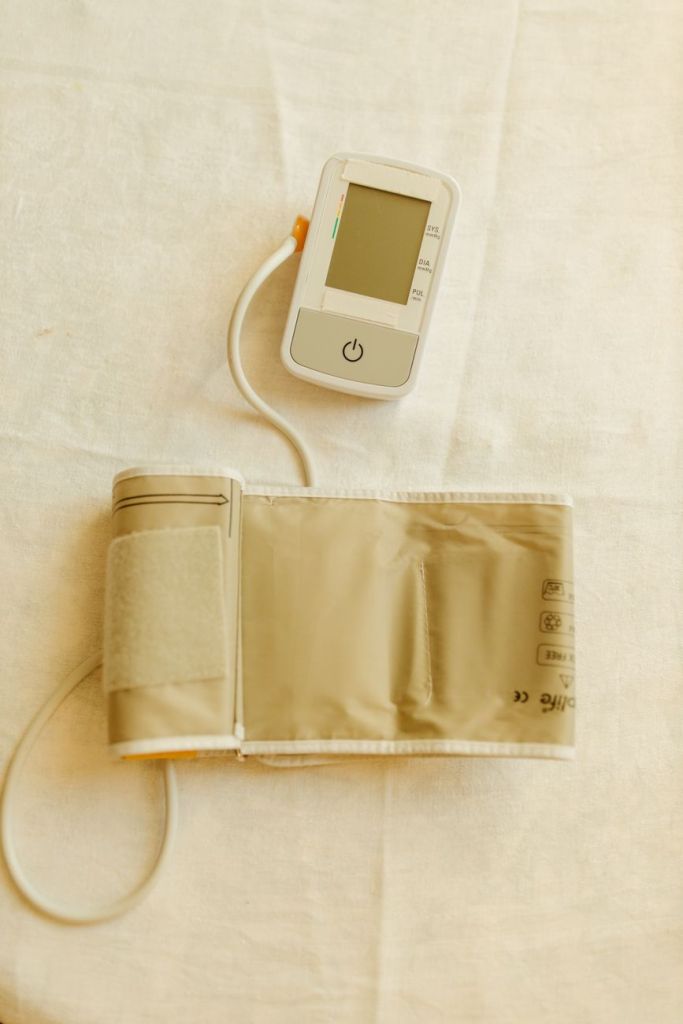
High blood pressure is often called a silent problem because most people feel completely fine while it quietly strains the heart, blood vessels, kidneys and brain. The good news is that checking it is simple, inexpensive and can be done at your kitchen table.
With a new year approaching, “knowing your numbers” is one of the most practical health habits a family can adopt.
Why it matters
According to the American Medical Association, more than 115 million adults in the United States have high blood pressure, which raises the risk of heart attack, stroke, heart failure and kidney disease. In 2025, the American Heart Association and American College of Cardiology released an updated guideline, their first full update since 2017.
The categories stayed the same:
- Normal: below 120 (top number) and below 80 (bottom number)
- Elevated: 120 to 129 and below 80
- Stage 1 high blood pressure: 130 to 139, or 80 to 89
- Stage 2 high blood pressure: 140 or higher, or 90 or higher
As the AMA summarized it, the new guideline encourages adults to aim for below 130/80, and below 120 for the top number where possible. It also highlights brain health: according to the guideline, lowering blood pressure lowers the risk of dementia by 12% to 19%.
Why measure at home?
A single reading at the doctor’s office is only a snapshot. Some people’s numbers jump when they are nervous at the clinic, and others look normal in the office but run high at home. The new guideline says people with high blood pressure should learn to measure it at home with a validated device. Readings collected over days and weeks give your doctor a much clearer picture.
How to get an accurate reading
The American Heart Association offers these steps:
- Choose the right monitor. Use an automatic cuff that goes on your upper arm, has been validated for accuracy, and fits your arm. Wrist and finger monitors are less reliable. The AMA notes that cuffless devices, such as smartwatches, are not yet recommended for this.
- Prepare. For 30 minutes before, avoid caffeine, exercise and smoking. Use the restroom first.
- Rest. Sit quietly for at least five minutes. No talking, no scrolling.
- Position yourself. Rest your arm on a table at heart level, using a pillow if needed.
- Place the cuff on bare skin. The bottom edge should sit just above the bend of your elbow, not over a sleeve.
- Take two readings. Wait about one minute between them and write both down.
- Be consistent. Measure at the same time each day, and ask your health care professional how often to check.
- Check your monitor. About once a year, bring it to an appointment to compare it with the office equipment.
Know when it’s urgent
If a reading is above 180/120, the AHA advises waiting a minute and checking again. If it is still that high, contact your health care professional right away. If a very high reading comes with chest pain, shortness of breath, back pain, numbness, weakness, vision changes or trouble speaking, call 911. Do not wait to see whether it comes down.
Small daily choices help
The guideline puts special weight on cutting sodium. The AMA notes Americans average about 3,400 milligrams a day. Cooking more at home, reading labels and tasting before reaching for the salt shaker all help. A healthy weight, regular movement and a heart-healthy eating pattern matter too. Some salt substitutes contain potassium, which is not right for everyone, so ask your doctor before switching.
Make it a family affair. Keep a simple log on the fridge, take a short walk together after supper, and cook one more meal at home each week. Encourage older parents and grandparents to check their numbers too.
Caring for the body God gave us is a way of honoring Him and the people who love us.
“Keep thy heart with all diligence; for out of it are the issues of life.”
Proverbs 4:23 (KJV)
This article is general information only, not medical advice. Please check with your doctor about what blood pressure goal is right for you, how often to measure, and before changing any medication or using a salt substitute.
Do you check your blood pressure at home, and what helps you remember to do it?
Sources: American Heart Association, “Monitoring Your Blood Pressure at Home” (reviewed Aug 14, 2025); American Medical Association, “New BP guideline: 5 things physicians should know” (Sep 11, 2025)




Leave a Reply