
Wall Street’s post-election rally came apart on Thursday. Chip and artificial intelligence stocks led a steep selloff that pushed the Nasdaq Composite down about 5% and into correction territory, while across the Atlantic the Bank of England raised interest rates for the first time since 2023.
By late morning in New York, the Nasdaq was down roughly 1,211 points, or 4.7%, leaving it more than 10% below last month’s record, according to Proactive. The S&P 500 was off about 3.2% and the Dow Jones Industrial Average had dropped more than 1,200 points, or about 2.3%. Yahoo Finance’s live coverage later showed the Nasdaq down more than 5%, with the S&P 500 on pace for its worst day since the April 2025 tariff selloff. Numbers were still moving through the afternoon, and final closing figures come after 4 p.m. ET.
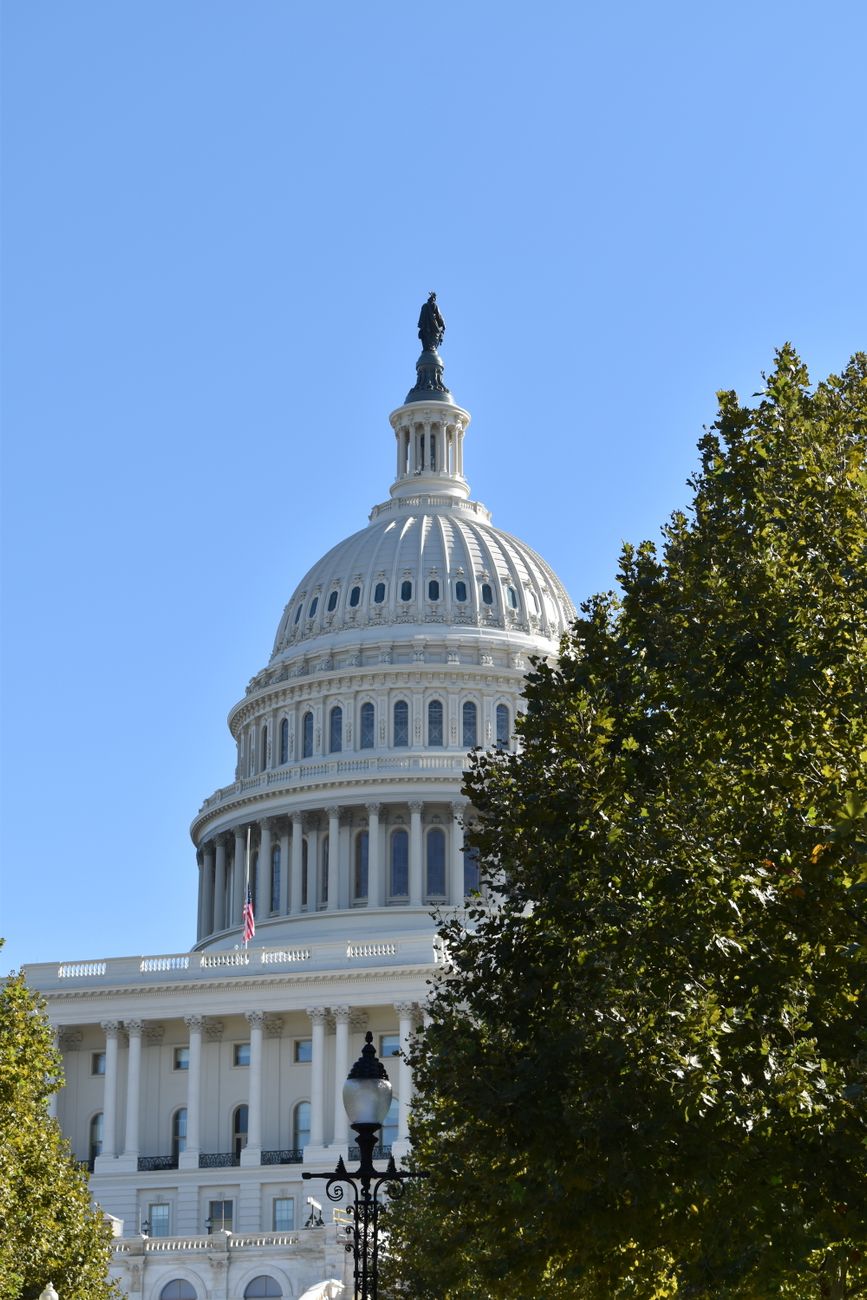
The drop erased the gains from Wednesday, when the Dow jumped about 3% after Democrats won control of the House and Senate. Upstormed News covered that rally in Dow jumps more than 1,000 points as Democrats win control of Congress.
Why chip and AI stocks fell
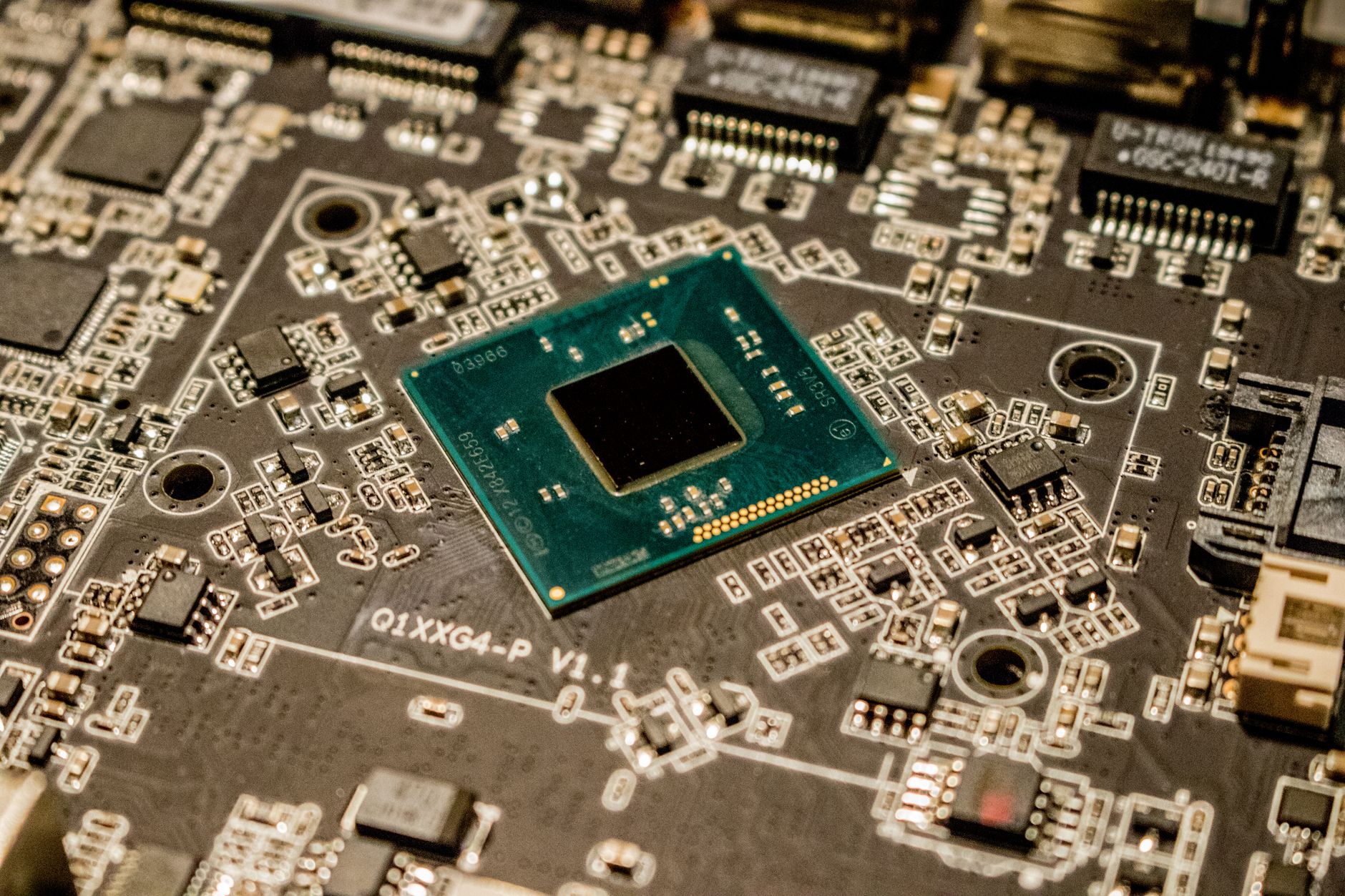
Analysts quoted by Reuters and Proactive said investors are rethinking what a Democratic-led Congress, along with new Democratic governors, could mean for the huge AI buildout. Data centers use large amounts of electricity, water and land, and public pushback has been growing in some states. This week, voters in dozens of towns passed limits on AI data centers.
Nigel Green, chief executive of the advisory firm deVere Group, told Proactive that power, water, land and financing costs suddenly look less certain. He also cautioned against reading the selloff as proof that AI demand is disappearing, and said companies with stronger balance sheets may hold up better.
Reported moves in some of the best-known names included:
- Semiconductors: the Philadelphia Semiconductor Index fell about 11% at one point, according to Yahoo Finance. Nvidia was down more than 6%, Micron about 12% and AMD about 13%.
- Qualcomm: down about 9% after its smartphone chip sales and outlook disappointed, according to Reuters and Proactive.
- AI infrastructure: Reuters reported CoreWeave down 9.3%, Nebius down 13.4% and Dell down 10.5% early in the session.
- Tesla and SpaceX: both fell sharply, with Yahoo Finance reporting declines of more than 9%.
- Snap: down about 12% after missing revenue estimates, per Reuters.
One big exception was AppLovin. The advertising technology company rose more than 30% after its third-quarter profit beat estimates. Yahoo Finance reported revenue of $2.18 billion, ahead of the $2.07 billion analysts expected, and a fourth-quarter revenue forecast of $2.37 billion to $2.40 billion.
That is a sharp turn from this morning, when stock futures were mixed and the Dow actually opened higher.
Fear gauge jumps as investors seek safety
The Cboe Volatility Index, often called Wall Street’s fear gauge, jumped more than 65% at one point to about 27.45, its biggest one-day rise in more than two years, according to Yahoo Finance. More than $2 trillion in U.S. stock market value was wiped out within about the first hour of trading, Proactive reported.
Investors moved toward assets seen as safer. The 10-year Treasury yield slipped to about 4.83%, and gold rose about 1% to above $4,100 an ounce. Health care, consumer staples and energy shares held up better than technology. Bitcoin briefly fell below $76,000, down more than 5% on the day.
Bank of England raises rates to 4%
In London, the Bank of England lifted its key rate a quarter point to 4% from 3.75%, its first increase since August 2023, Reuters reported. The vote was 8-1. The lone dissenter, Catherine Mann, wanted a bigger half-point hike.
Policymakers pointed to months of high energy prices tied to the Middle East conflict. The bank now expects UK inflation to peak at 4.8% in the second quarter of 2027 and not return to its 2% target until the third quarter of 2028. Governor Andrew Bailey said more hikes are not inevitable, but warned that without an end to the conflict:
“Neither does it seem likely to be the last increase.”
Higher rates in Britain mean higher borrowing costs for many UK homeowners and businesses. The British pound strengthened against the dollar after the decision.
What to watch next
- The closing bell: whether stocks recover some ground or finish near the day’s lows.
- Friday’s October jobs report, which traders see as the key data point of the week, according to Reuters.
- More earnings, including Airbnb and Duke Energy, which Yahoo Finance listed among Thursday’s reporters.
- Oil prices, which swung during the day on hopes and doubts about an end to the Iran conflict.
Upstormed News will keep following the markets and the economy.
Why it matters for families
Big one-day swings can be unsettling if you check a 401(k) or college savings account. Many of these accounts are invested for years, not days, and single-day moves often look different over time. This article is general information, not investment advice; if you have questions about your own savings, consider talking with a qualified financial professional. Lower Treasury yields can also influence borrowing costs such as mortgage rates.
Read more: Stock futures mixed as Qualcomm slides, AppLovin soars, Bank of England up next
Do big market drops change how you think about your savings? Share your thoughts in the comments.
Sources: Yahoo Finance, “Stock market today: Nasdaq plunges 5% amid chip stock wipeout, Dow and S&P 500 erase post-election rally gains” (November 5, 2026); Reuters via Business Day, “US stocks fall sharply as Nasdaq heads for correction” (November 5, 2026); Proactive via Yahoo Finance, “Chip stocks hammered as political shift raises AI infrastructure concerns” (November 5, 2026); Reuters via Investing.com, “Bank of England raises rates for first time since 2023, warns more likely” (November 5, 2026)


Leave a Reply