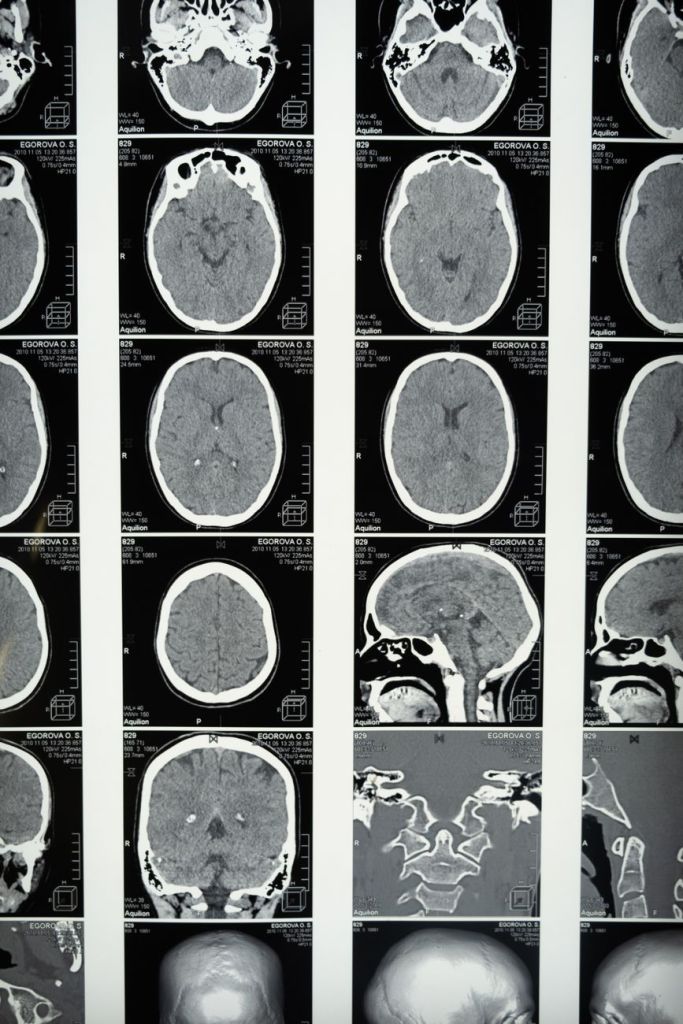
Elon Musk’s brain-implant company, Neuralink, says the U.S. Food and Drug Administration has cleared it to begin a pivotal clinical trial of its brain-computer interface for people with severe paralysis caused by amyotrophic lateral sclerosis, or ALS. The company announced the news on Nov. 25 and says enrollment for the study, called LINK, is now open in the United States.
The clearance lets Neuralink run a larger study. It is not approval to sell the device. The implant remains investigational, which means it cannot be bought, prescribed or covered by insurance, according to reporting by Shattered.io and Tech Times UK.
What happened
In an update and a post on X, Neuralink described LINK as the first U.S. pivotal trial of an implantable brain-computer interface:
“the first pivotal trial for an implantable brain-computer interface in the US” (Neuralink, Nov. 25, 2026)
The company said the study builds on its earlier work. More than 30 people have received Neuralink implants through early feasibility studies in the United States, Canada and the United Kingdom, Anadolu Agency reported. Together, those participants have logged thousands of hours using the technology for communication, studying and gaming, according to Tech Times UK.
Neuralink said the trial will take place at multiple clinical sites but did not name the hospitals. It also has not said how many people it plans to enroll or published specific performance targets. As of Nov. 27, Tech Times UK said it could not independently find a public FDA decision letter or a confirmed trial registry entry for LINK, so the details so far come mainly from the company.
How the implant works
The device, called the N1 implant, sits in the skull. A surgical robot known as R1 places flexible electrodes into the part of the brain that controls movement. Software translates the brain activity those electrodes pick up into commands, such as moving a cursor on a screen or selecting items. Users can learn to do this by imagining hand movements, Tech Times UK explained.
The goal of the LINK study is to test whether people with ALS can safely use the system to operate digital devices, communicate and gain more independence, and to check its safety and reliability over time. The implant is not meant to cure ALS or restore movement.
The risks
Placing the implant requires brain surgery under general anesthesia. Possible complications listed in reporting on the study include infection, bleeding, seizures and brain swelling. The device could also malfunction, removing it carries its own surgical risk, and some long-term risks may not yet be known.
Background
Neuralink has been building toward this step for several years. In March 2024, the company livestreamed its first implant recipient, Noland Arbaugh, playing chess online using the device, Anadolu Agency noted. Brain-computer interfaces are one of several fast-moving areas of medical technology, alongside milestones like those in our roundup four hopeful stories, including a pig kidney milestone.
The approval also comes during a busy stretch for Musk’s companies. Upstormed News recently reported that the FCC approved a SpaceX plan for up to 1 million AI data center satellites, and that two states sued SpaceX over fake images made with its Grok AI.
Why it matters for families
ALS can leave people with severe paralysis. For families caring for a loved one with ALS, technology that helps someone communicate or use a computer could mean more connection and independence. At the same time, this is an early-stage, experimental device that requires brain surgery, and it has not been proven or approved for general use.
- Adults with ALS in the U.S. can register interest through Neuralink’s patient registry, according to Tech Times UK. Screening is required, and registering does not guarantee a spot.
- Anyone considering a clinical trial should talk with their doctor or neurologist about the possible benefits, risks and alternatives before signing up.
- Be cautious of anyone online claiming to sell or guarantee access to the implant. It is not available for purchase.
What to watch next
Key questions include which hospitals will take part, how many patients will be enrolled, how long participants will be followed and what results the study must show. If the technology proves safe, the trial could lead to more advanced studies and, eventually, a commercial product, Engadget reported, as cited by Shattered.io. No release date has been confirmed. Upstormed News will follow this story.
Read more: FCC Approves SpaceX Plan for Up to 1 Million AI Data Center Satellites
Would you trust a brain implant to help a loved one communicate? Share your thoughts in the comments.
Sources: Anadolu Agency, “Musk’s Neuralink gets FDA approval for pivotal brain implant trial” (November 26, 2026); Tech Times UK, “Elon Musk’s Neuralink Wins FDA Approval for Landmark Brain Chip Trial to Help Paralysed Patients” (November 27, 2026); Shattered.io, “Neuralink FDA Pivotal Study Follows 30+ Implant Users” (November 26, 2026)



Leave a Reply