
By Jonathan Anthony Burkett
Reporting and original analysis | November 16, 2026
A film’s runtime tells a programmer one useful thing: how much time the listed work occupies. It does not describe the whole occasion in which people will encounter it. Arrival, an introduction, the transition into viewing, and the conversation afterward can shape the experience too. A new entry in a library-programming catalog offers an opportunity to think about that surrounding time. The task is to prepare a setting in which the film can be encountered attentively, while leaving the film itself free to supply the observations a viewer has not yet made.
The National Film Board of Canada’s Indigenous Histories and Cultures library page lists Nirilaurta by Malaya Qaunirq Chapman as available for programming from November 7, 2026. It gives the 2026 film a rounded runtime of 52 minutes and identifies Inuktitut and English with English subtitles. The NFB press kit uses the full title Nirilaurta: Let Us Eat and describes a focus on food, Inuit culture, and community in Taloyoak, Nunavut. These are catalog and synopsis facts. This article has not watched the film and offers no review, scene description, or invented filmmaker intention beyond those attributed materials.
Begin with the kind of listing you have
A programming page is a route into an institutional offering. A reader should not turn its availability date into a claim that every person can stream the film immediately through every service. The actual arrangements need to be checked with the provider and the relevant program. This article does not determine screening permissions or supply legal advice. It makes a practical distinction between finding a title in a catalog and completing the arrangements for a particular audience. The catalog begins that process; it does not silently answer every question around it.
For a hypothetical library organizer, the first working note can preserve the title, director, listed language information, date, and direct source. Those details help another person identify the same entry. They also separate the film’s year from the date it became available through the named programming route. A current listing can introduce a film without turning every date on the page into a single release date. Accuracy at this stage makes later communication easier because the organizer knows which factual statement each part of the announcement is intended to carry.
The next note can identify the actual audience and occasion. Is the proposed event a single-film evening, part of a larger series, or an activity with a discussion already planned? The answer affects the time and explanation needed around the work. It should not be inferred from the runtime alone. A 52-minute listing does not tell an organizer how much time this particular audience wants for arrival or conversation. The surrounding plan is a choice to make in context, not a feature that can be copied directly from the film’s metadata.
Make the introduction modest enough to be accurate
An introduction can name the filmmaker, the title, and the source of the program information without previewing a response the audience is expected to have. It need not claim that everyone will find the same lesson or feel the same emotion. If the person introducing the film has not watched it, that limit should shape what they say. A synopsis can identify the broad subject. It cannot substitute for an account of scenes or formal choices that the speaker has not examined. The audience deserves a clear invitation rather than an invented miniature review.
The language information can also be communicated as practical information. People may want to know how the listed subtitles relate to the version being shown. The organizer should check the actual version and presentation arrangements rather than assume that a catalog note settles every viewing condition. This is not an accessibility audit of the film or the NFB service. It is a prompt to connect the listing with the real event. A useful announcement gives people enough accurate information to decide whether and how they would like to participate.
The community named in the synopsis should remain specific. A film located in Taloyoak should not be introduced as though it represents every Inuit community or every Indigenous experience. The source identifies a particular work and context. Keeping those names visible respects the difference between a catalog category and the people described in an individual film. A broad programming theme can help audiences discover a title, but it should not erase the distinctions that make that title a particular contribution rather than a generic example placed under a large heading.
Plan a conversation that can learn from the viewing
Before watching, an organizer can prepare open questions rather than predetermined conclusions. What did the film make the audience want to understand more carefully? Which observation would someone like to connect with the actual words or images they encountered? These are prompts for a future discussion, not claims about the film’s content. They leave room for viewers to name their own responses. The organizer can revise the questions after seeing the work, allowing the film to affect the conversation instead of requiring it to illustrate an argument already completed in advance.
Discussion time can include silence and uncertainty. A viewer may need a moment to form a response or may prefer to listen. Attendance should not automatically require a personal statement. The facilitator can distinguish a response to the film from a claim about a community beyond what the film and other verified sources establish. Where an outside factual question arises, identify it as a question for further research. The screening conversation does not become more responsible by confidently filling every gap with an assumption that happens to sound plausible in the room.
A careful program therefore holds two kinds of preparation together. Verify the title and the actual arrangements, then leave enough space for viewing to produce real observations. The current NFB listing makes Nirilaurta a timely catalog introduction. Its runtime is useful, its credits matter, and its context should remain particular. The rest of the occasion belongs to thoughtful organization: a proportionate introduction, a checked presentation, and a conversation that is willing to learn from the film rather than claim to know its effect before the audience has encountered it.
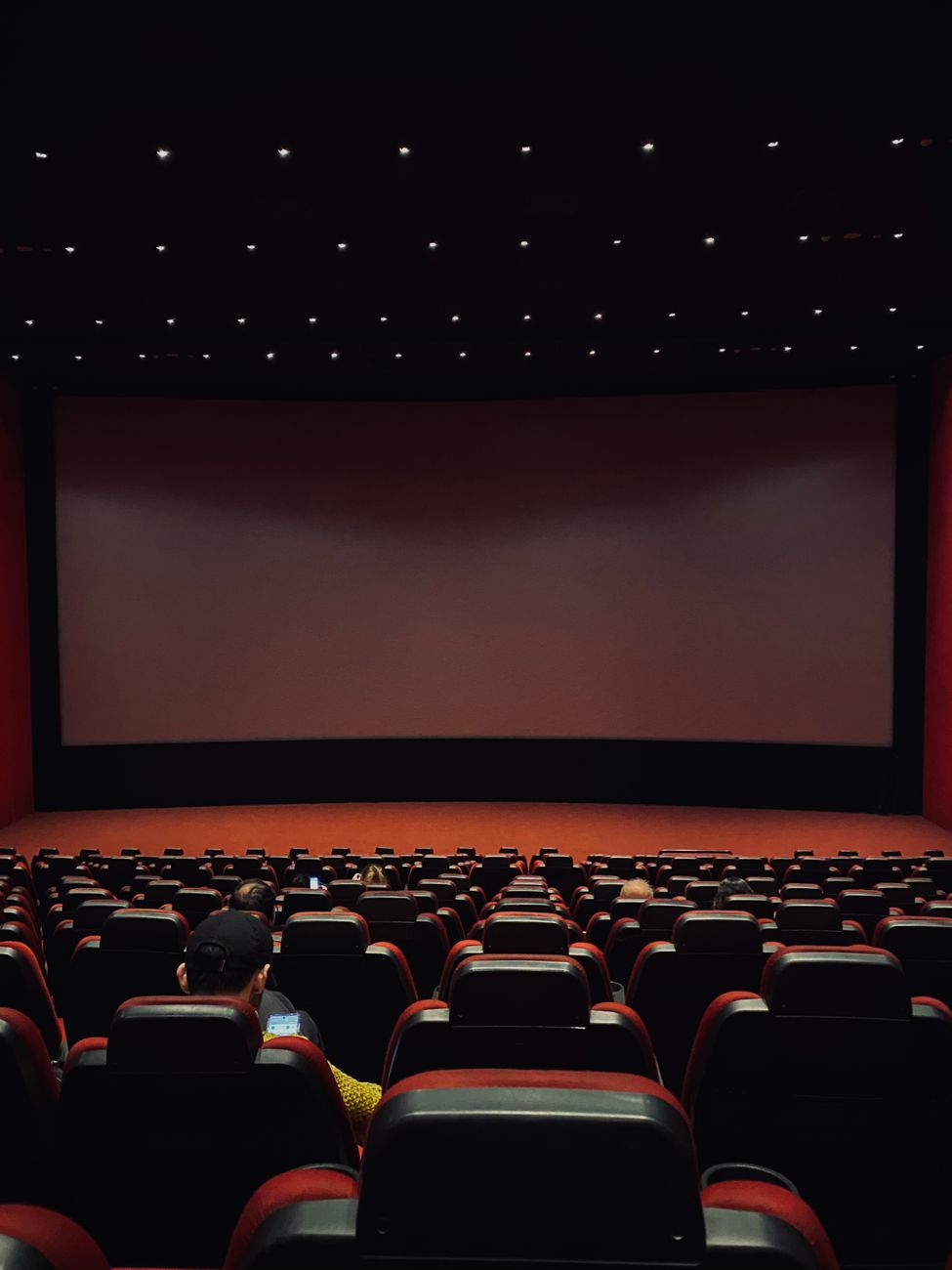
Image note: Illustrative cultural-space photograph; it is not a film still, a Nirilaurta screening, or an image of Taloyoak. Credit: Suzy Hazelwood / Pexels. Source photograph; Pexels license.
#upstormed #jonathananthonyburkett #jonathanburkett #NFB #IndigenousCinema



Leave a Reply