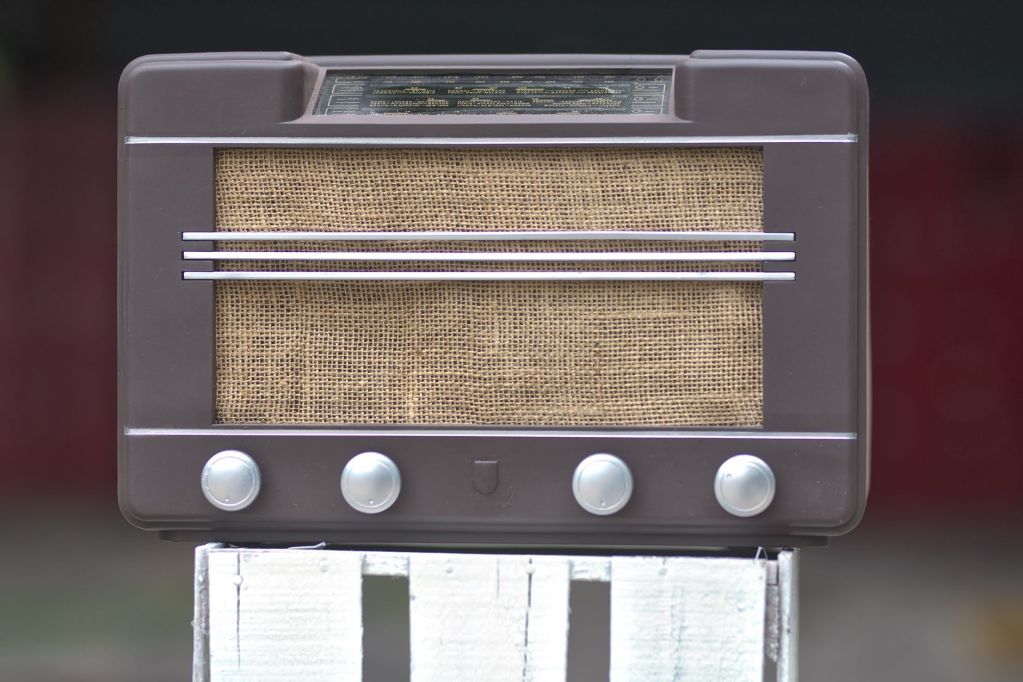
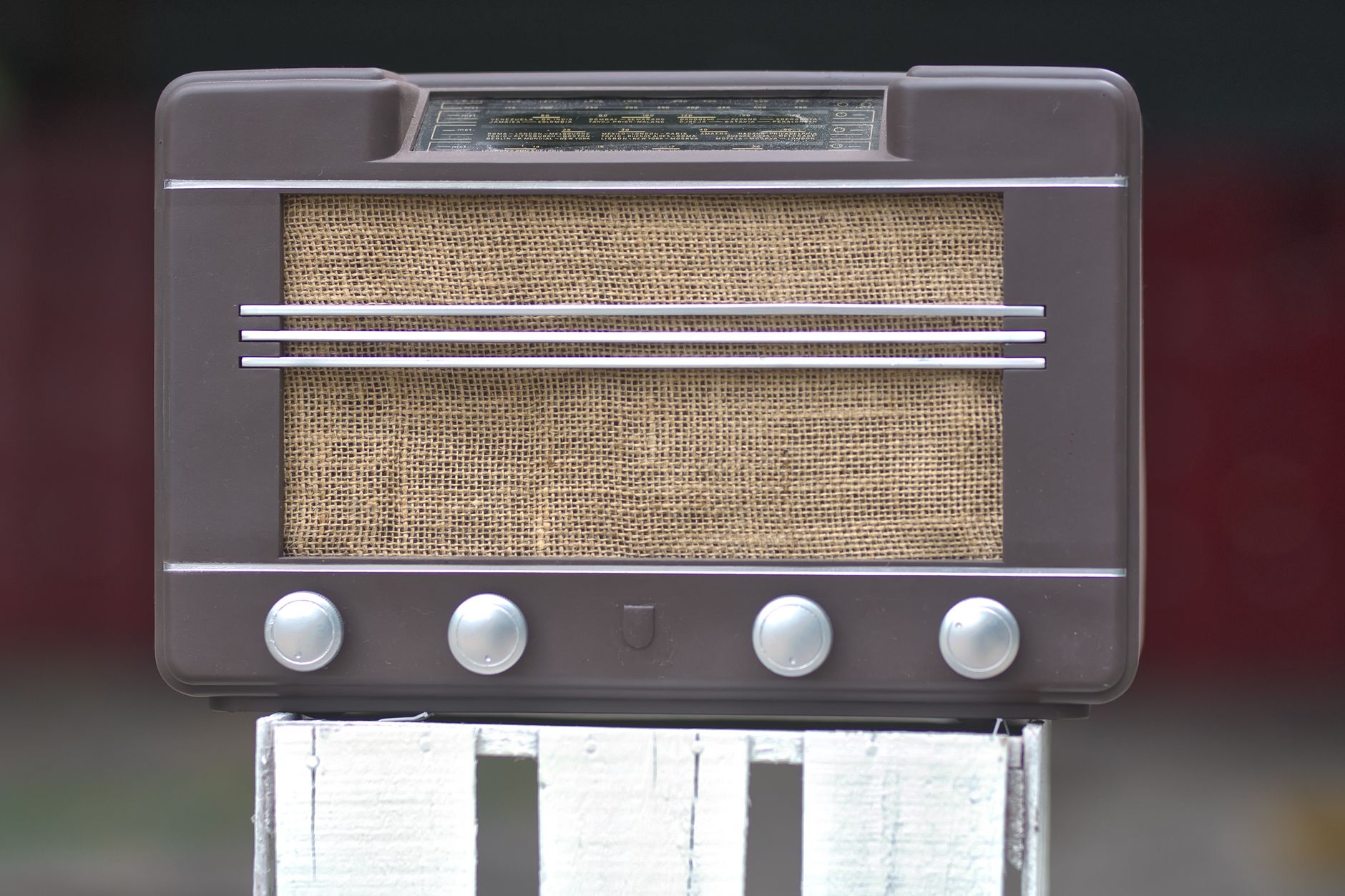
On Saturday night, November 28, 1925, two days after Thanksgiving, a 77-year-old fiddler named Uncle Jimmy Thompson sat down in front of a microphone in Nashville, Tennessee, and started to play. He kept playing for about two hours. Before long, phone calls and telegrams poured into the station from listeners who wanted more.
That simple broadcast is remembered as the birthday of the Grand Ole Opry. This Saturday, November 28, 2026, the show marks 101 years, and its story holds a lesson every family can use: keep showing up, even when the storm comes.
A Brand-New Station and an Old Fiddler
The radio station was WSM, launched on October 5, 1925, by the National Life and Accident Insurance Company. Its call letters came from the company slogan, “We Shield Millions.” About a month after WSM went on the air, it hired George D. Hay, a well-known announcer who had worked in Memphis and on Chicago’s popular National Barn Dance.
Hay put Uncle Jimmy on the air for what was first called the WSM Barn Dance. Listeners loved hearing the old-time music of their own hills and hollows, and Thompson was invited back the next week. The Saturday-night tradition had begun.
How “Grand Ole Opry” Got Its Name
In December 1927, the barn dance followed a network program of classical music and grand opera. Hay told his listeners that they had been hearing grand opera, and now they would hear the “Grand Ole Opry.” The playful name stuck and has never let go.
Through Hard Times, the Music Played On
When the Great Depression hit, many families had little money for entertainment, but a radio could bring music into the house every Saturday night. The Opry grew from a studio program into a show with a live audience, comedians and costumed performers. In 1932, WSM boosted its signal from 1,000 to 50,000 watts, carrying the show across much of the country.
The Opry moved several times as crowds grew. From 1943 it called Nashville’s Ryman Auditorium home, and in March 1974 it moved to the new Grand Ole Opry House. To keep a link to the past, a six-foot circle of oak was cut from the Ryman stage and set into the center of the new one. Generations of singers have stood on that circle.
The Night the River Came In
On May 2, 2010, after historic rains, the Cumberland River overflowed the floodwall near the Opry House. Water rose to about 46 inches throughout the backstage area and on the stage. Instruments, costumes and memories were soaked.
The Opry did not go silent. Within days, the show moved to Nashville’s War Memorial Auditorium and back to the Ryman. An Opry leader said it was important that Nashville’s most treasured tradition continued with that week’s shows. And the beloved wooden circle, though it had been underwater, was found in remarkably good condition.
On September 28, 2010, after months of repairs, the Opry returned home, with the restored circle back at center stage.
“Sing unto him a new song; play skilfully with a loud noise.” (Psalm 33:3, KJV)
What the Opry Teaches Families Today
By 2002, the Opry had reached its 4,000th consecutive Saturday-night broadcast, and in November 2025 it celebrated 100 years. That kind of faithfulness offers a few lessons for our homes:
- Honor the elders. The whole tradition began with a 77-year-old man sharing the gift he had. Ask a grandparent to tell a story, sing a song or teach a skill this Thanksgiving week.
- Keep your traditions, even in small ways. When the Opry lost its home, it borrowed another stage. When your plans fall apart, a simple meal, a prayer or a song can still keep the circle unbroken.
- Carry the past into the future. Like that circle of oak, bring something meaningful from your family’s history into each new season: a recipe, a Bible, a photo, a hymn.
- Make music together. Turn off the screens one evening and sing, play or simply listen to music as a family.
Storms will come, for a radio show and for a family. But God gives us the strength to keep showing up for each other, Saturday after Saturday, year after year. Through every storm, we rise together.
What tradition has carried your family through a hard season? Tell us in the comments.
Sources: Grand Ole Opry, “History”; EBSCO Research Starters, “WSM Launches The Grand Ole Opry” (Frederick E. Danker, 2021); Nashville Scene, “Devastating damage at the Grand Ole Opry House set the stage for a poignant comeback” (Apr 30, 2015); MusicRow, “Opry House Under Water, Show Moved” (May 4, 2010); The Boot, “Grand Ole Opry Circle of Wood Survives Flood” (May 10, 2010).
Leave a Reply