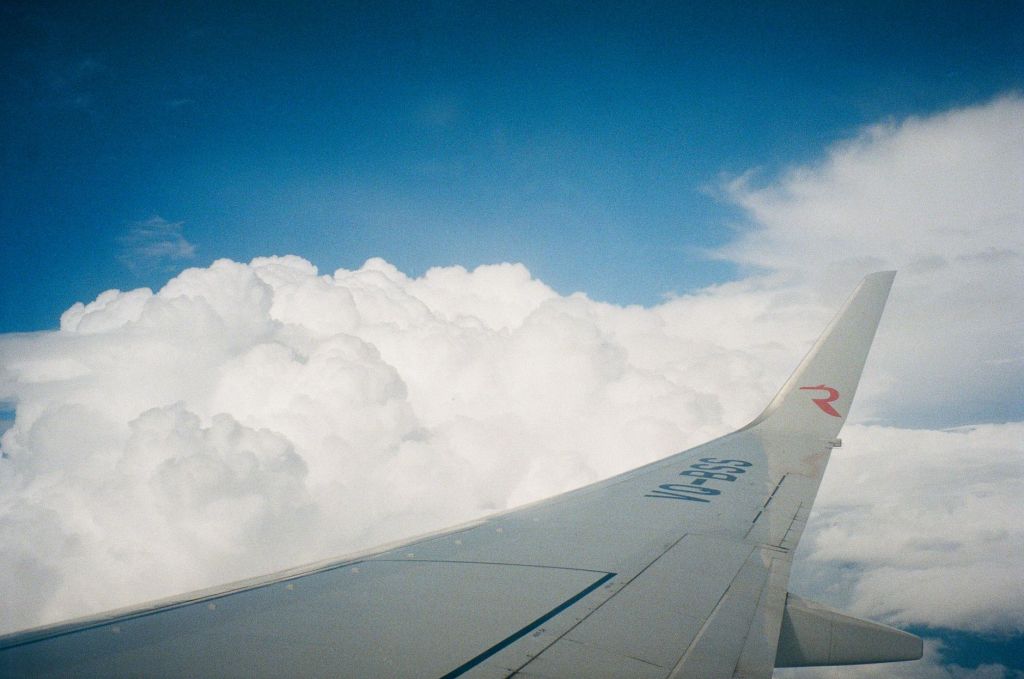
A Southwest Airlines Boeing 737 MAX flew 44 times with hidden storm damage to its tail before passengers on a 2024 flight felt the plane begin to sway from side to side at 34,000 feet, according to a final report from the National Transportation Safety Board released Nov. 5.
No one was hurt, and the plane landed safely. But the NTSB’s findings, reported this week by Aviation A2Z and Simple Flying, show how a single overnight thunderstorm, combined with missed checks, let a damaged airliner keep carrying passengers for more than a week.
What happened
On May 16, 2024, the jet, registered N8825Q, was parked overnight at New Orleans’ Louis Armstrong International Airport when thunderstorms produced wind gusts of 73 knots, about 84 mph. The winds damaged the structure around a backup rudder control unit inside the plane’s vertical tail fin. From the outside, the plane showed no obvious damage, and no inspection was done.
The jet returned to service the next morning. Over the next nine days it flew 44 flights. On May 25, 2024, Southwest Flight 746, from Phoenix to Oakland with 175 passengers and six crew members, began experiencing what pilots call a “Dutch roll,” a combined side-to-side yawing and rolling motion, along with unusual movement in the rudder pedals. The motion continued after the pilots descended to 32,000 feet. The crew landed safely in Oakland, where inspectors found the structural damage. Because the damage was substantial, the NTSB classified the event as an accident.
Missed chances to catch it
The NTSB identified several points where the damage could have been caught:
- No post-storm inspection. Boeing’s maintenance manual called for an inspection after extreme winds but did not set a specific wind-speed threshold, and Southwest had no system to alert maintenance control about severe weather hitting parked planes.
- A test that wasn’t really passed. During overnight maintenance in Houston on May 23, hangar video showed the rudder moving right but not left. No mechanic was positioned to watch the tail, yet the records showed the test as passed.
- A warning sign in turbulence. On May 24, pilots switched off the yaw damper, a system that helps keep the plane steady, after it seemed to overcorrect. It was deferred under the plane’s list of allowed inoperative equipment, then passed a functional test in Phoenix before Flight 746.
The NTSB concluded that damage from an extreme high-wind event while the airplane was parked caused the abnormal rudder behavior, and it faulted gaps in inspections, maintenance procedures and extreme-weather monitoring.
What has changed
- Southwest inspected all 231 of its 737 MAX jets between June 17 and 20, 2024, and found no similar damage. It strengthened maintenance procedures and now monitors weather reports for winds above 65 knots that would trigger an inspection.
- Boeing revised its 737 maintenance manual in May 2025 to require an extreme high-wind inspection when ground winds reach 65 knots, about 75 mph.
For comparison, Airbus generally calls for an inspection when ground winds exceed 80 knots, Simple Flying reported.
Why it matters for families
Flying remains one of the safest ways to travel, and this incident ended with a safe landing. Still, the report is a reminder of how safety depends on many small checks being done right. As you plan holiday trips, a few tips:
- If a flight is delayed for a maintenance or inspection issue, that is the system working. Build extra time into holiday travel plans.
- Keep your seat belt fastened whenever you’re seated, even when the sign is off. Unexpected motion in flight is rare but can happen.
- Sign up for your airline’s flight alerts so you know right away about delays or aircraft swaps.
Air travel has been in the news for other reasons lately, including the hoax bomb threats that disrupted flights across Europe.
What to watch next
The NTSB’s report adds pressure on airlines and manufacturers to make sure wind-damage rules are followed across fleets. Upstormed News will follow any further safety actions from regulators.
Does news like this change how you feel about flying? Tell us in the comments.
Read more: Driver, 76, charged after car hits group ride in North Carolina, killing 1 cyclist
Sources: Aviation A2Z, “Southwest Boeing 737 MAX Flies 44 Flights With Hidden Storm Damage Before Dutch Roll Incident” (Nov. 7, 2026); Simple Flying, “NTSB: Missed Inspections Let Storm-Damaged Southwest 737 MAX Fly 44 Times Before Dutch Roll Accident” (Nov. 7, 2026).




Leave a Reply