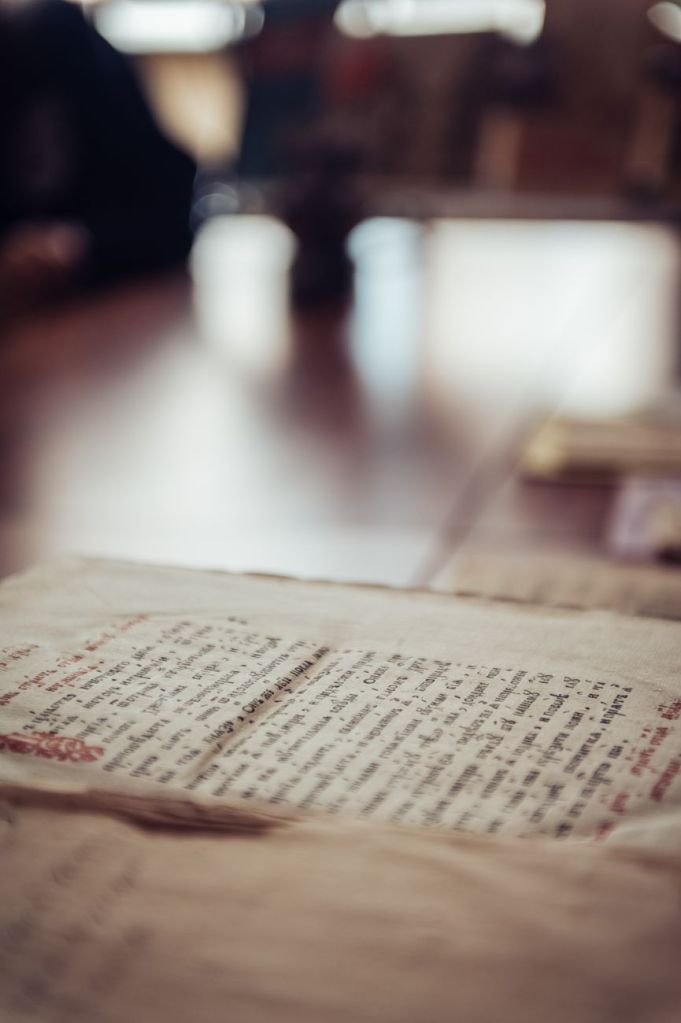
Families gathering today are doing it on a date with deep roots. On Nov. 26, 1863, Americans in the Union states sat down to observe a national day of “Thanksgiving and Praise” proclaimed by President Abraham Lincoln, the first in the unbroken line of yearly national Thanksgivings that leads straight to this afternoon’s tables.
Thanksgiving 2026 falls on the very same calendar date, and it is not the only time Nov. 26 has carried that weight. The first national Thanksgiving under the U.S. Constitution, called by President George Washington, was observed on Thursday, Nov. 26, 1789.
A nation at war
By the fall of 1863 the Civil War was well into its third year. In July, the Battle of Gettysburg produced more than 50,000 American casualties over three days, according to the National Park Service, but ended in a major Union victory. History.com notes that Lincoln’s proclamation expressed gratitude for that turning point.
On Oct. 3, 1863, Lincoln issued Presidential Proclamation 106, which the National Archives preserves in its collection of presidential proclamations. It invited Americans to “set apart and observe the last Thursday of November next” as a day of thanksgiving. That Thursday fell on Nov. 26.
The text was largely written by Secretary of State William H. Seward, according to both the National Park Service and the Abraham Lincoln Presidential Library and Museum. It opened by describing a year “filled with the blessings of fruitful fields and healthful skies,” even amid war, and asked Americans to pray for those harmed by the conflict and “to heal the wounds of the nation.”
“No human counsel hath devised nor hath any mortal hand worked out these great things.” From Lincoln’s Thanksgiving Proclamation of Oct. 3, 1863
The editor who would not give up
The holiday owes much to one determined writer. Sarah Josepha Hale, a magazine editor whom History.com identifies as the author of “Mary Had a Little Lamb,” spent decades urging a single, national Thanksgiving day. The National Park Service traces her campaign to 1827, when she began writing essays on the idea as editor of Boston’s Ladies’ Magazine. Later, as editor of Godey’s Lady’s Book, she ran editorials and a letter-writing campaign to presidents and politicians.
Hale believed a shared day of gratitude could help ease tensions between North and South, the National Archives’ education blog explains. On Sept. 28, 1863, she wrote directly to Lincoln asking him to proclaim the holiday. The Lincoln Presidential Library notes she had also asked Seward, a friend, to raise the idea with the president. Less than a week later, the proclamation was signed.
How the day had been kept before
Days of thanksgiving were not new in 1863. The National Park Service lists earlier observances, from the 1621 harvest feast of the Pilgrims and Wampanoag at Plymouth to thanksgiving celebrations in all 13 colonies in 1777. Washington issued his 1789 proclamation on Oct. 3 of that year, after a House resolution asked that the president recommend “a day of public thanksgiving,” according to George Washington’s Mount Vernon. Remarkably, Lincoln’s proclamation was signed on the same date, Oct. 3, 74 years later.
But those observances did not become a fixed yearly holiday. History.com reports that Thomas Jefferson considered such proclamations inappropriate, and no president issued an official national Thanksgiving proclamation between 1815 and 1863. States set their own dates, often in different months. Lincoln’s proclamation changed that, setting a common date that presidents continued to follow.
What came after
The last Thursday of November remained the national holiday until 1939, when President Franklin D. Roosevelt moved it a week earlier to give merchants more shopping days before Christmas near the end of the Great Depression, according to History.com. The change proved unpopular, and in 1941 Congress fixed the date. The National Park Service notes Thanksgiving was then set as the fourth Thursday of November, the rule families still follow today.
Other traditions grew around the holiday over time, including the first Thanksgiving Day parade, held by Gimbels in Philadelphia in 1920, and the first Macy’s parade in New York in 1924, according to the Park Service.
Why it matters for families
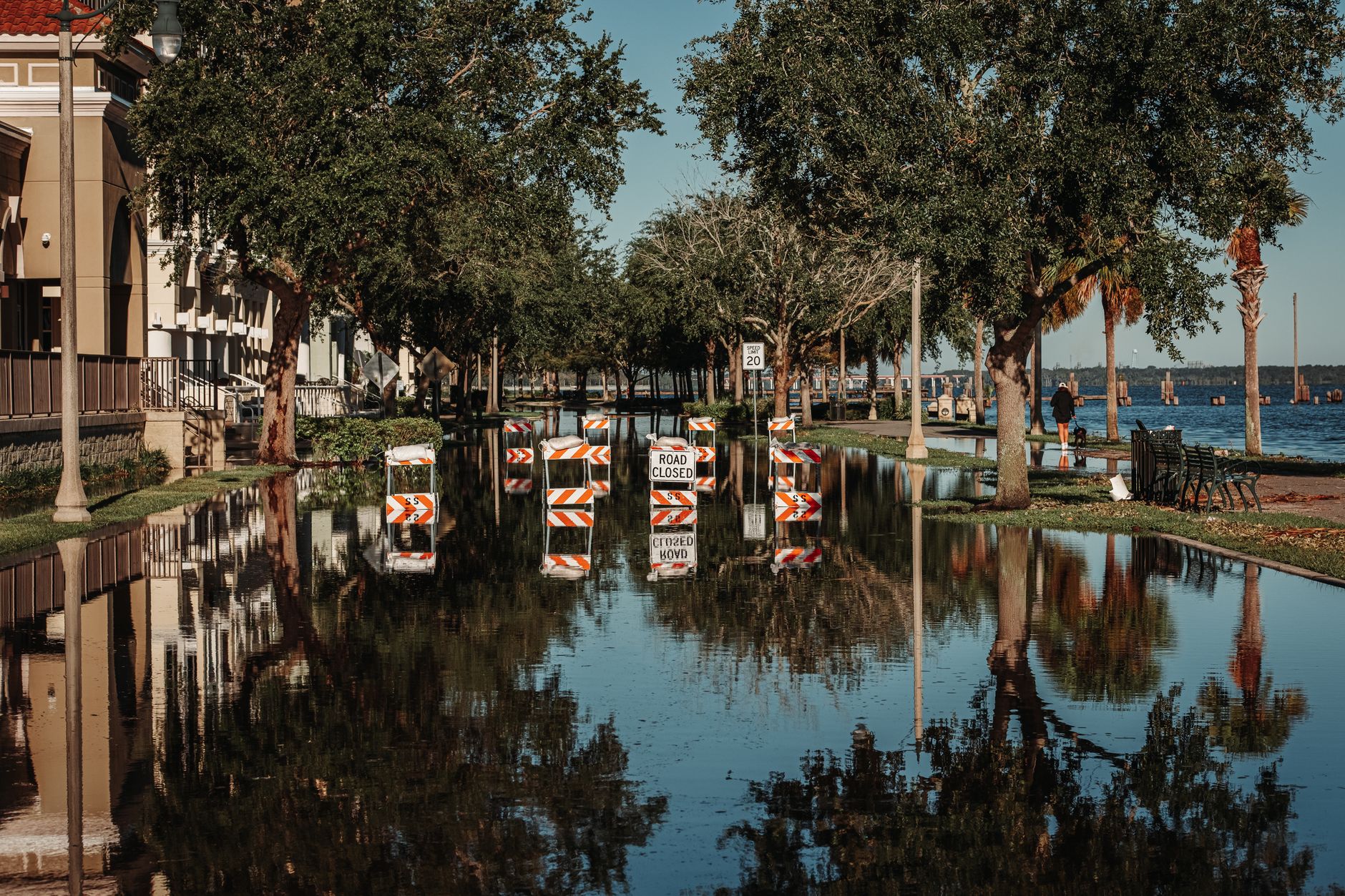
Lincoln’s Thanksgiving was born in a hard year, not an easy one. The proclamation asked a divided, grieving country to stop and count its blessings while remembering widows, orphans and the suffering. That message fits a week when storms have upended travel and even delayed the 100th Macy’s parade. Families can read short passages of the proclamation aloud at the table; the National Archives makes the original document available online through its DocsTeach site.
Read more: The story of Tisquantum, the man who helped the Pilgrims survive
Does your family have a Thanksgiving tradition that goes back generations?
Sources: National Park Service, “Lincoln and Thanksgiving”; National Archives DocsTeach, “President Abraham Lincoln’s Thanksgiving Proclamation”; National Archives Education Updates, “Lincoln’s 1863 Thanksgiving Proclamation” (Nov. 22, 2020); Abraham Lincoln Presidential Library and Museum, “Lincoln and Thanksgiving” (Nov. 23, 2022); History.com, “Lincoln proclaims official Thanksgiving holiday”; George Washington’s Mount Vernon, “Thanksgiving”.

Leave a Reply