
Upstormed Journal · One Life · Part 2
Most of us say “thank you” dozens of times a day. To the cashier, to the person holding the door, to whoever passes the salt. But saying thanks and living thankful are two different things. One is good manners. The other can change the way you see your whole life.
This week, millions of families will sit around a table for Thanksgiving. For one day, we go around and name what we are grateful for. It is a beautiful tradition. But what if thankfulness did not have to wait for one Thursday in November? What if it became a daily habit, as normal as brushing your teeth? That is what Part 2 of One Life is about: the gratitude habit that quietly changes everything.
Gratitude is something you practice, not something you wait for
A lot of people think gratitude is a feeling that shows up when life goes well. Get the raise, then be thankful. Get healthy, then be thankful. Get through the storm, then be thankful. The trouble is that life rarely lines up perfectly, so the feeling keeps getting pushed back to “someday.”
Real gratitude works the other way around. It is a choice we make first, and the feeling often follows. Like a muscle, it gets stronger the more you use it. A person who practices noticing good things on ordinary days will find it much easier to find them on hard days too.
Try this: before you get out of bed tomorrow, name one thing you are thankful for before you reach for your phone.
Start small and make it specific
“I’m thankful for my family” is true, but it is easy to say without really feeling it. Specific gratitude lands deeper. “I’m thankful my daughter laughed at my terrible joke at breakfast.” “I’m thankful my car started this morning when it was below freezing.” “I’m thankful my friend texted to check on me.”
Specific thanks forces you to slow down and actually look at your day. It turns a vague idea into a real memory. Over time, you start catching these moments as they happen instead of only remembering them later.
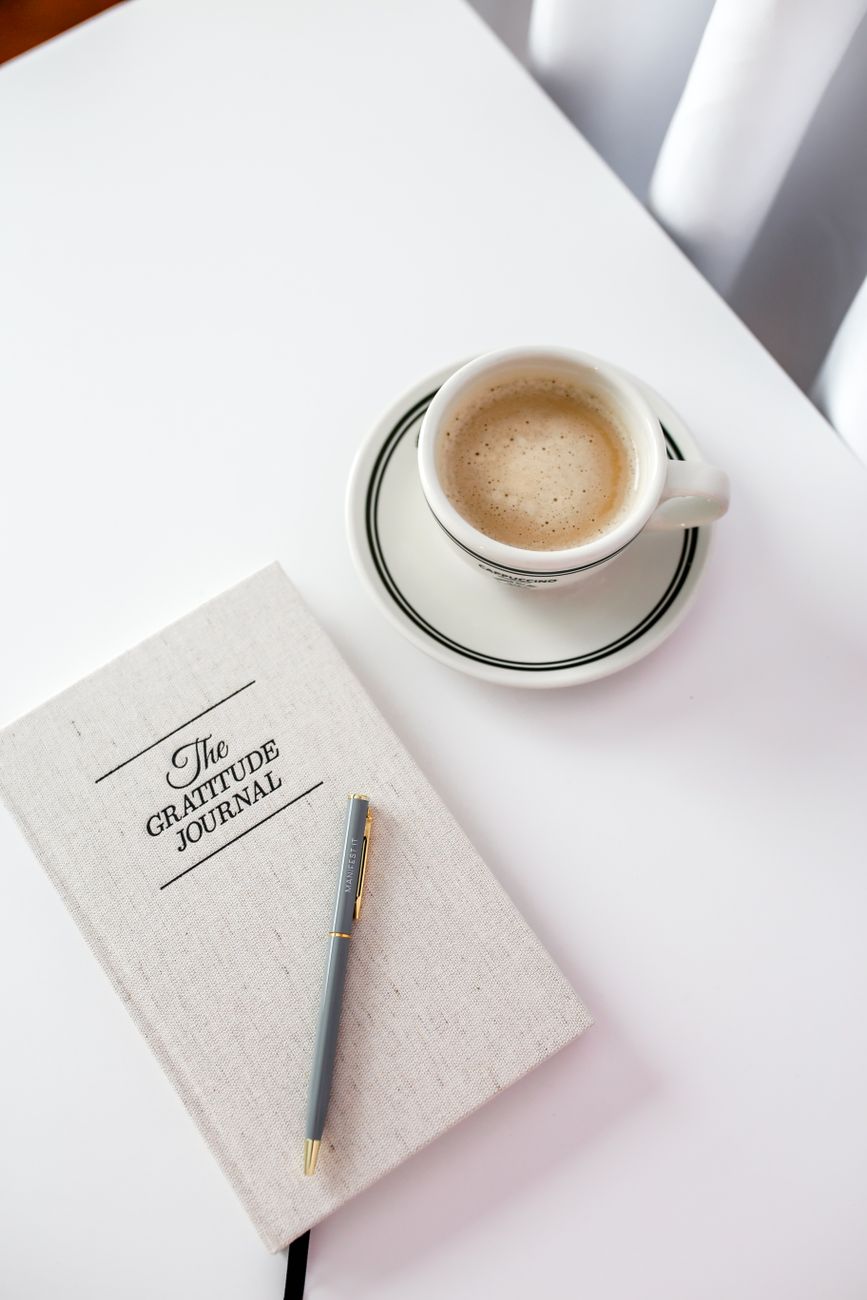
A simple way to begin is three things a day, written down. Keep a small notebook by your bed or a note on your phone. It does not need to be poetic. A few words is enough. The point is not a perfect journal. The point is training your eyes to see the good.
Say it out loud to the people who deserve it
Private gratitude is good. Shared gratitude is even better. Think of the teacher who believed in you, the coach who pushed you, the neighbor who checked on your house, the co-worker who covered your shift, the parent or grandparent who sacrificed more than you knew at the time.
Many of those people have no idea how much they meant to you. A two-minute text, a handwritten card or a phone call can make their whole week. And it does something for you too. It reminds you that you did not get here alone.
Not everyone grows up surrounded by people to thank. Our founder, Jonathan Anthony Burkett, has written openly about growing up without a mother’s love. Gratitude does not erase what was missing. But it can help us notice the people who did show up, and it can push us to become that person for someone else.
Be thankful in the storm, not just after it
Being grateful during hard times does not mean pretending everything is fine. It does not mean telling a grieving friend to “look on the bright side.” Pain is real, and it deserves to be named honestly.
But even in a hard season, there is usually something to hold on to: a friend who sat with you, a warm meal someone dropped off, a quiet moment of peace in the middle of the chaos, the simple fact that you made it through one more day. Gratitude in the storm is not denial. It is an anchor. It keeps the hard thing from becoming the only thing.
“In every thing give thanks: for this is the will of God in Christ Jesus concerning you.”
1 Thessalonians 5:18 (KJV)
Notice the verse says in every thing, not for every thing. We are not asked to be thankful for the loss, the illness or the betrayal. We are invited to find reasons for thanks even while we walk through them.
Turn gratitude into action
The best gratitude does not stay inside us. It spills over into how we treat people. When you are thankful for what you have, it becomes easier to share it. When you remember how someone helped you, you look for ways to help the next person.
That might look like inviting someone who would otherwise eat alone to your holiday table. Donating a coat you no longer wear. Tipping a little extra for the server working on a holiday. Paying for the coffee of the person behind you. Small acts of generosity are gratitude with its sleeves rolled up.
Make it a family habit
Children learn thankfulness mostly by watching. If they hear the adults around them complain all the time, they learn to complain. If they hear us notice good things, they start doing it too.
A few simple ideas: at dinner, have everyone share one good thing from their day. Keep a “thankful jar” on the counter and drop in notes all year, then read them together on New Year’s Eve. At bedtime, ask your kids what made them smile today. These little rituals take a few minutes, but they can shape how a whole family sees the world.
A gratitude checklist for this week
- Write down three specific things you are thankful for each night.
- Name one good thing before you check your phone in the morning.
- Send a thank-you message to someone who helped shape your life.
- Start a “one good thing” round at the dinner table.
- Do one small act of generosity for someone who cannot repay you.
- Spend a few quiet minutes thanking God for the ordinary blessings you usually overlook.
Gratitude will not fix every problem. But it changes the person facing those problems. And when you only get one life, learning to see how much good is already in it may be one of the best gifts you can give yourself.
Your turn: who is one person you have never properly thanked, and what would you say to them if you reached out today?
Follow the whole series at One Life.

Leave a Reply