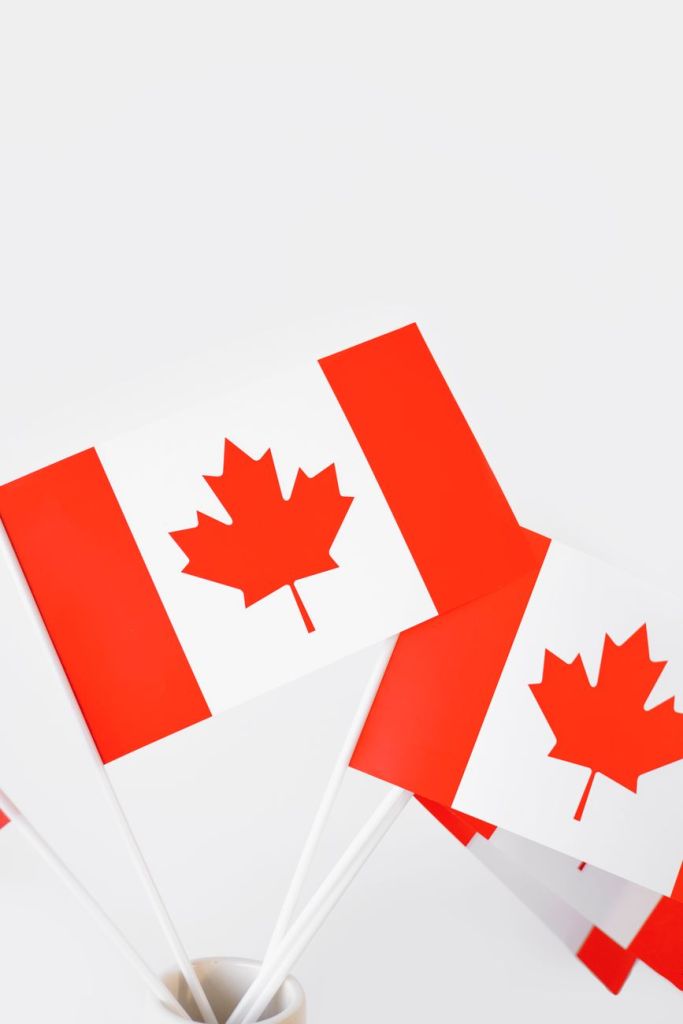
Defense Secretary Pete Hegseth has issued a classified directive restricting some military cooperation between the United States and Canada, The Washington Post reported late Friday, citing U.S. officials familiar with the decision. On Saturday, the Pentagon said it was refocusing the relationship around American defense priorities, while Canadian officials said they had seen no change on the ground.
The memo was circulated the previous week, according to the Post, which said it had not seen the document itself, AFP reported. Because the directive is classified, the Pentagon has not said which programs or activities could be affected, and the exact scope remains unclear, CBC News reported.
What the Pentagon says
Pentagon chief spokesman Sean Parnell told AFP that the department is taking steps so its engagements with Canada “advance tangible U.S. defence objectives.” He said Washington is prioritizing cooperation that strengthens the defense of the Americas while supporting Canada’s ability to meet its NATO obligations.
Parnell said the guidance does not affect:
- Defense intelligence cooperation between the two countries
- NORAD, the joint U.S.-Canadian command that watches over and defends North American airspace
- Cooperation through NATO
In a statement to CBC, Parnell ruled out restrictions on operational matters but did not spell out the memo’s precise effect. That leaves open questions about joint exercises, training exchanges and defense planning, CBC reported.
What Canada says
Canadian government and military officials were not aware of the directive and have seen no sign it has been put into effect, according to CBC. Three Canadian defense officials, speaking on background, said they were trying to verify the reports and seeking clarification.
“I still see no daylight between what we’re doing, military to military, and otherwise.” — Canadian Defence Minister David McGuinty, speaking to Reuters, as reported by CBC
McGuinty spoke at the Halifax International Security Forum, where a large bipartisan U.S. congressional delegation was attending. He said the two countries continue to work closely on missions such as stopping illegal drugs in the Caribbean and on integrated air and missile defense, and he was expected to meet the U.S. lawmakers on Saturday, CBC reported.
Canada’s Department of National Defence told AFP it would not speculate on media reports. Spokesman Tony Wright said the two countries have a long history of defense cooperation and that the work continues.
Background: a strained but deep partnership
The United States and Canada share one of the world’s closest military relationships, working together through NORAD, NATO and many bilateral arrangements. Defense sources told CBC the ties are so deep that restricting them at an operational level would be hard without hurting U.S. security, and that limiting Canadian access to U.S.-made weapons would be counterproductive since Washington has been eager to sell them.
Relations between the neighbors have been tense. President Donald Trump has repeatedly suggested Canada should become the 51st state, has placed tariffs on Canadian goods and has criticized Ottawa’s defense spending, AFP reported. Prime Minister Mark Carney has firmly rejected annexation. Last spring, the administration paused U.S. participation in the Permanent Joint Board on Defence, a bilateral advisory group, a step CBC described as largely symbolic.
At the same time, the two governments are moving toward a trade deal that could ease tariffs on autos, steel and aluminum, according to CBC. Canada has now reached NATO’s target of spending 2% of its economy on defense, and Carney has said he wants to diversify where Canada buys its military equipment.
Supporters of the administration’s approach point to its push for allies to carry more of their own defense load and its focus on threats in the Western Hemisphere, including drug trafficking. Canadian officials stress that the partnership remains strong and that their country is meeting its commitments.
Why it matters for families
Many American and Canadian families live near the border, travel back and forth, or have loved ones serving in uniform who train alongside the other country’s forces. The two militaries also share the job of watching the skies over North America. For now, both sides say the most important pieces, NORAD and intelligence sharing, are unchanged.
What to watch next
- Whether the Pentagon or Canada releases more detail on which programs, exercises or exchanges are affected.
- Reaction from the U.S. lawmakers who met Canadian officials in Halifax.
- Progress on the U.S.-Canada trade talks on autos, steel and aluminum.
Upstormed News will follow this story as more details emerge.
Related coverage
- House Votes 211-204 to Send Massie’s Hegseth Impeachment Resolution to Committee
- Storms on Both Coasts Threaten Thanksgiving Week Travel for 81.5 Million
Read more: Florida Digs Out From Record Flooding as Storm Heads Up the East Coast
Do you think the U.S. and Canada should keep their military partnership as close as it has been?
Sources: AFP via CP24, “Pentagon moves to restrict U.S.-Canada defence ties: report” (November 21, 2026); CBC News via Yahoo News Canada, “Hegseth reportedly moves to restrict defence ties with Canada, but Ottawa sees no change” (November 21, 2026)



Leave a Reply