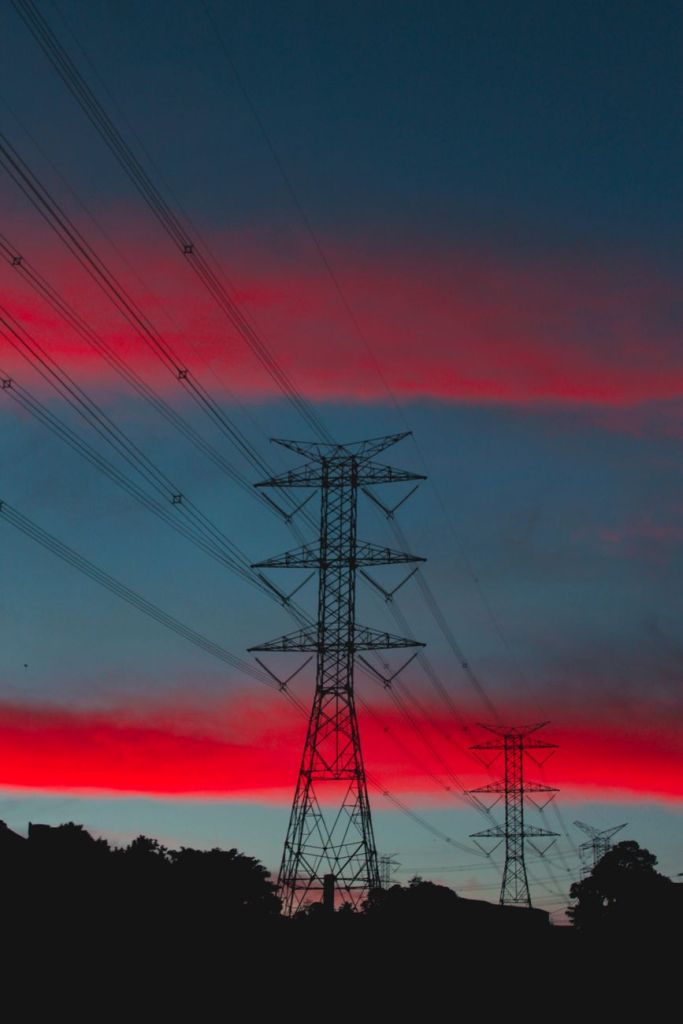
The Senate on Monday night cleared another 60-vote hurdle on a sweeping bipartisan bill to speed up permits for power lines, pipelines, mines and other energy projects. Senators voted 70-27 to limit debate on a revised version of the measure, moving it closer to a final passage vote that leaders hope to hold before the Thanksgiving recess.
The vote was the result Upstormed News previewed on Monday. It was a procedural step, not final passage, and the bill still faces an uncertain path in the House before the current Congress ends in early January.
What the Senate voted on
Monday’s vote ended debate on a substitute amendment, sometimes called a managers’ amendment, to the Bipartisan American Affordability and Jobs Act. The amendment was sponsored by Sen. Shelley Moore Capito (R-W.Va.), and the four lead negotiators, Capito, Sen. Mike Lee (R-Utah), Sen. Sheldon Whitehouse (D-R.I.) and Sen. Martin Heinrich (D-N.M.), released it on Nov. 7 to answer objections, including concerns about tribal consultation and data centers, according to Bloomberg Law and The Hill.
It was the third procedural vote on the package in about a week. The Senate voted 73-25 on Nov. 9 and 62-21 on Nov. 10 to move the bill forward, according to HNGN. The Senate is using a House-passed bill, H.R. 2347, as the vehicle for the text.
What the bill would do
The nearly 500-page measure is designed to shorten the time it takes federal agencies to approve big projects. According to reporting by HNGN and The Hill, key pieces include:
- Deadlines for environmental reviews, generally one year for an environmental assessment and two years for a full environmental impact statement.
- A 150-day window for most legal challenges, with cases heard in federal appeals courts.
- New authority for the Federal Energy Regulatory Commission (FERC) to issue construction permits for large interstate power lines of 230 kilovolts or more found to be in the public interest.
- Limits on state and tribal Clean Water Act reviews to water-quality issues.
- A requirement in the revised text that data centers of every size cover the full cost of the transmission and grid equipment they need, with FERC given 90 days to set a policy.
What supporters say
Backers in both parties argue the bill will lower energy costs, help build out the power grid and create jobs. Heinrich said the bill “will help lower energy costs, strengthen Tribal consultation,” as quoted by The Hill. Supporters include industry groups such as the Data Center Coalition, the American Petroleum Institute and the National Mining Association, along with labor groups including the AFL-CIO and the International Brotherhood of Electrical Workers. President Trump has said the administration is behind it, though he has also said he will not approve wind turbines.
The Hill also cited a Rhodium Group estimate that the package could lower household electricity bills by $50 to $78 a month by 2040. That is a projection, not a guarantee.
What opponents say
Critics, including nearly half of the Senate Democratic caucus according to The Hill, argue the bill moves too fast and weakens environmental and community protections. Sen. Jeff Merkley (D-Ore.) said it “accelerates the extraction and burning of fossil fuels.” Environmental groups including the Sierra Club, the Natural Resources Defense Council and the Southern Environmental Law Center oppose it, and several tribal organizations and New Mexico leaders have raised concerns about tribal sovereignty and consultation. Some critics have also noted the bill reached the floor without a committee hearing or markup.
Some senators sit in between. Sen. Catherine Cortez Masto (D-Nev.) voted to begin debate but has said she may oppose final passage unless a section affecting the National Historic Preservation Act is changed, The Hill reported.
What to watch next
- Final Senate vote: Leaders are aiming for passage before Thanksgiving. It is not yet clear which of the roughly 17 proposed amendments will receive votes, according to Bloomberg Law.
- The House: The bill must pass the House before the 119th Congress ends in early January or start over in the new Congress. Energy and Commerce Chair Brett Guthrie (R-Ky.) wants changes on grid reliability, and several House Democrats oppose the bill. House Democratic Leader Hakeem Jeffries has said it “falls short in several areas,” HNGN reported.
- Floor time: A Dec. 11 government funding deadline is also competing for attention.
Upstormed News will follow the final Senate vote and any House action.
Why it matters for families
Electricity is one of the bills many households feel most, and both sides frame this fight around cost. Supporters say faster approvals for power lines and plants will help keep bills down as demand from data centers grows. Opponents say speed should not come at the expense of clean water, wildlife, tribal lands and local input. Whatever happens, the bill would not change your power bill overnight; its effects would play out over years. For more on how costs are hitting home budgets, see our look at why everything feels expensive heading into winter.
Read more: Van Hollen Launches Challenge to Schumer for Senate Majority Leader
Should Congress move faster on permits for power lines and energy projects, or take more time to weigh environmental and local concerns? Tell us in the comments.
Sources: The Hill via Yahoo News, “Senate takes big step toward passing permitting reform package” (November 17, 2026); Bloomberg Law, “Permitting Overhaul Bill Advances in Bipartisan Senate Vote” (November 17, 2026); HNGN, “Senate Advances Permitting Bill 70-27 As Jeffries Opposes It” (November 16, 2026); Albuquerque Journal, “Heinrich permitting bill clears Senate hurdle” (November 10, 2026)




Leave a Reply