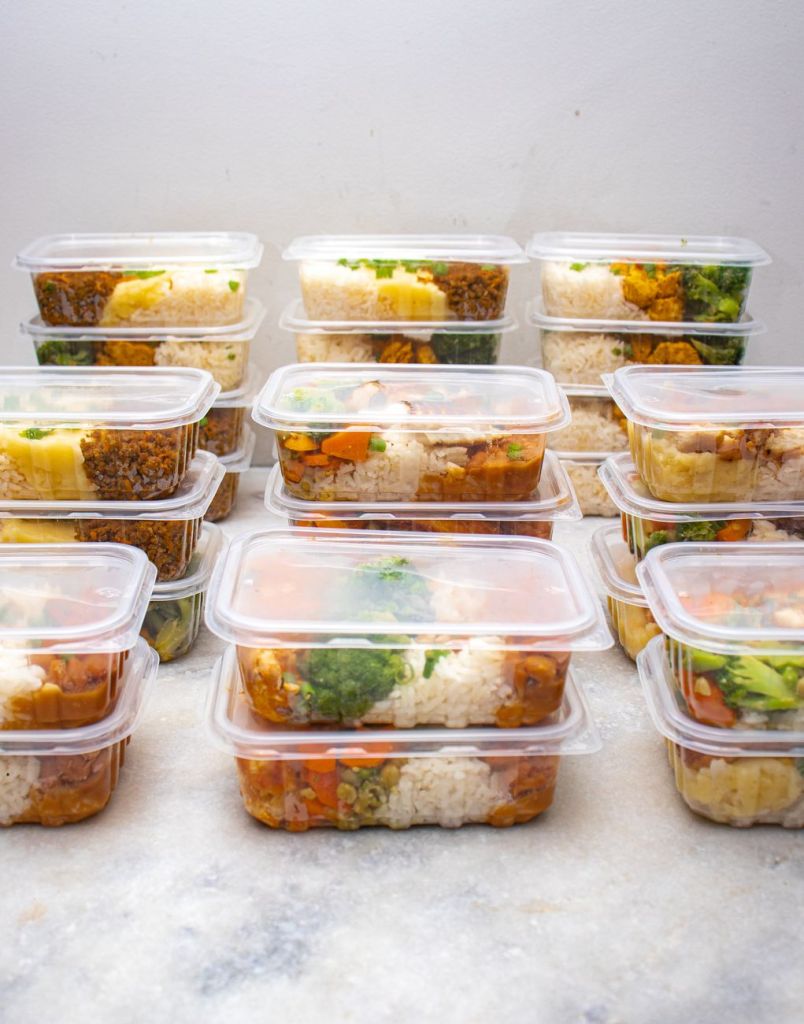
Every Thanksgiving ends the same way in millions of homes: a sink full of dishes, a refrigerator packed to the door, and a quiet question nobody wants to answer yet. What are we going to do with all this food?
A full table is a gift. But much of that gift ends up in the trash, and with grocery prices stretching budgets, a simple leftover plan may be one of the most practical things you do this week.
How much food goes to waste?
ReFED, a nonprofit that tracks food waste in the United States, estimated that Americans threw out about 320 million pounds of Thanksgiving food last year, worth roughly $550 million. Turkey was the biggest single item, at about 40 percent of what was tossed.
The waste does not only happen after dinner. In a September 2026 survey of more than 2,000 people that ReFED shared this fall, 42 percent of hosts said they throw out food while clearing the fridge or pantry to make room for the holiday, and 36 percent do the same while emptying the freezer. Nearly 9 in 10 hosts said they deliberately cook more than they need. Yet only about 23 percent use the freezer to make leftovers last, and 31 percent said they end up throwing fresh leftovers away within a week or so.
Researchers see the same pattern from another angle. Ohio State University professor Brian Roe told Atlanta News First this weekend that Americans buy and then discard about $3 billion in food during Thanksgiving week, roughly 40 percent more than in a typical late-autumn week.
None of this is a reason for guilt. Generous cooking is part of hospitality; a little planning just lets that generosity go further.
Before Thursday: make room without making waste
- Take stock first. Before you clear shelves for the turkey, look at what is already there. Eat it this week, turn it into a soup or casserole, or freeze it.
- Donate what you won’t use. Unopened, shelf-stable packaged food can go to a local food pantry or church food drive.
- Right-size the menu. Save the Food’s free “Guest-imator” suggests amounts based on your guest count. A common rule of thumb is about three-quarters of a pound of whole turkey per person, bones included.
- Clear freezer space on purpose. An empty freezer shelf on Thursday night is your best leftover tool.
Thursday night: the two-hour habit
Food safety comes first, because saving food only matters if it is safe to eat. FoodSafety.gov advises getting leftovers into the refrigerator within two hours of cooking. Divide big portions into small, shallow, covered containers so they cool quickly. Refrigerated leftovers keep three to four days. Frozen, they stay safe, with the best quality in roughly two to six months. Reheat to 165°F.
Try naming a “leftover captain” who packs, labels with the date, and sends extras straight to the freezer.
Friday through Sunday: a simple leftover menu
Most families already know the turkey sandwich. ReFED’s survey found hosts most often make sandwiches or wraps, breakfast or brunch dishes, and soups or casseroles. Here is an easy weekend rhythm:
- Friday: Turkey sandwiches or wraps for lunch. Simmer the turkey carcass in water for a couple of hours to make stock.
- Saturday: Use that stock for turkey and vegetable soup. Mashed potatoes can become potato pancakes; stuffing can top a breakfast bake.
- Sunday: Turkey pot pie or a casserole with any remaining vegetables. Freeze what is left in meal-sized portions for a busy December night.
Share the blessing
Sending guests home with a container is one of the easiest ways to cut waste, and it is a lovely gesture. Keep a stack of to-go containers or freezer bags by the door. You might also prepare a plate for a neighbor who lives alone, a shut-in from church, or a family going through a hard season. A warm meal delivered on Friday can mean as much as a seat at Thursday’s table.
For scraps that truly cannot be eaten, a backyard compost bin or a community composting program keeps them out of the landfill.
A lesson from a hillside meal
After Jesus fed the five thousand with five loaves and two small fish, He did something that is easy to overlook. He told His disciples to collect what remained.
“When they were filled, he said unto his disciples, Gather up the fragments that remain, that nothing be lost.” (John 6:12, KJV)
The Lord who could multiply bread still cared about the leftovers. Caring for what we have been given is a quiet way of saying thank you. It honors the cooks and the Provider behind every meal, and it leaves us more to share.
This year, let gratitude reach past Thursday. A labeled container, a cleared freezer shelf, and a plate for a neighbor can turn one feast into a whole weekend of blessings.
What is your family’s favorite way to use Thanksgiving leftovers?
Sources: ReFED, “Make A Plan! Thanksgiving Food Waste Starts Way Sooner Than You Think” (October 30, 2026); ReFED, “How Much Food Will Go to Waste This Thanksgiving? About $550 Million Worth” (November 3, 2025); Atlanta News First, “Thanksgiving food waste persists as millions of Georgians face hunger” (November 22, 2026); FoodSafety.gov, “Turkey Leftovers” (updated October 29, 2026); ABC7, “Your Thanksgiving leftovers are harming the planet” (November 25, 2025).


Leave a Reply