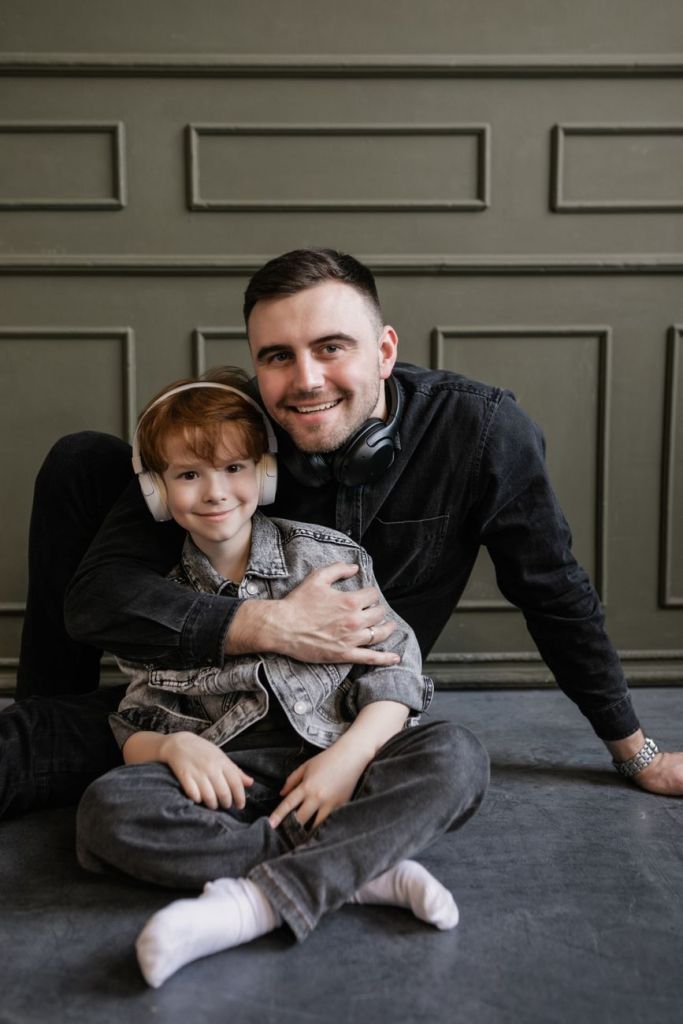
Think about the sounds that make a home feel like home. A child laughing in the next room. A grandmother’s voice on the phone. A favorite hymn on Sunday morning. Our hearing carries so much love, yet most of us never think about protecting it until something starts to fade.
With crowded holiday gatherings, concerts and long trips with earbuds ahead, this is a good week to give our ears a little care.
Why this matters more than we think
The World Health Organization updated its fact sheet on deafness and hearing loss on March 3, 2026. It says nearly 2.5 billion people are projected to have some degree of hearing loss by 2050, and more than 700 million will need hearing rehabilitation. It also estimates that around 95.1 million children aged 5 to 19 live with hearing loss today.
The part that should catch every parent’s attention is this: WHO says over 1 billion young adults are at risk of permanent, avoidable hearing loss because of unsafe listening practices. The good news is in that word “avoidable.” Much of this harm can be prevented with simple habits.
How loud is too loud?
WHO measures safe listening by both loudness and time. In its safe listening guidance, updated March 6, 2026, it lists how long a person can safely be around different sound levels each week:
- 80 decibels (about a doorbell): up to 40 hours a week
- 90 decibels (a shouted conversation): about 4 hours a week
- 100 decibels (a hair dryer): about 20 minutes a week
- 120 decibels (standing near a siren): about 12 seconds
- 140 to 150 decibels (an airplane taking off, firecrackers): no safe time at all
That last line is worth remembering when New Year’s fireworks come around, especially for little ones.
Simple habits for the whole family
Here are practical steps drawn from WHO’s safe listening advice:
- Keep it at 60 percent. WHO suggests keeping personal device volume at no more than 60 percent of the maximum. Many phones can set a volume limit, which is easy to turn on for children’s devices.
- Choose headphones that fit well. Well-fitted, noise-cancelling headphones help you hear clearly without turning the volume up to drown out a noisy bus or plane.
- Carry earplugs. Keep a pair in a purse, glove box or coat pocket for concerts, sports games, loud church events or power tools.
- Step back from the speakers. WHO advises staying away from loudspeakers and noisy machinery. A few steps can make a real difference.
- Give your ears a rest. Take frequent breaks from loud sounds so your ears can recover. After a loud evening, a quiet morning is a gift to your hearing.
Signs it may be time for a hearing check
WHO lists several warning signs worth paying attention to:
- Ringing in the ears that does not go away (tinnitus)
- Trouble hearing high-pitched sounds like birds, doorbells, phones or alarm clocks
- Difficulty understanding speech, especially on the telephone
- Struggling to follow conversations in noisy places like restaurants or family gatherings
If you notice these in yourself or a loved one, a professional hearing check can open the door to help.
Hearing and the aging brain
In 2024, the Lancet Commission on dementia named 14 risk factors that, if addressed, could in theory prevent or delay about 45 percent of dementia cases. Hearing loss is one of them, and the Commission recommended making hearing aids accessible to people who need them.
Research is still sorting out how much hearing aids help. A study of 2,777 older adults in Australia, published in the journal Neurology and reported on January 14, 2026, found that people prescribed hearing aids did not score better on thinking tests overall. However, over about seven years, 5 percent of the hearing aid group developed dementia compared with 8 percent of those without. The researchers noted that most participants started out healthy, so the results may not apply to everyone. Still, hearing well helps us stay connected to the people we love.
This article is for general information only. If you have hearing changes, ringing in the ears, ear pain or other concerns, please check with your doctor or a hearing professional.
A gift worth guarding
Scripture reminds us that our senses are not accidents. They are gifts from a loving Creator.
“The hearing ear, and the seeing eye, the LORD hath made even both of them.”
Proverbs 20:12 (KJV)
Guarding our hearing is one small way to say thank you for that gift, so we can keep hearing the laughter, prayers and quiet “I love you” that make life rich. Turn the volume down a notch this week, and check on someone you love who has been missing parts of the conversation.
Through every storm, we rise together.
What sound in your home would you most hate to miss, and what one habit will you try this week to protect your family’s hearing?
Sources: World Health Organization, “Deafness and hearing loss” fact sheet (Mar 3, 2026); World Health Organization, “Deafness and hearing loss: Safe listening” (Mar 6, 2026); Alzheimer Europe, “2024 Lancet Commission underscores potential dementia risk reduction” (Jul 31, 2024); The Irish Times, “Far more dementia cases could be avoided or delayed” (Aug 1, 2024); News-Medical, “Hearing aid use has little impact on cognitive test scores” (Jan 14, 2026); KJV Proverbs 20:12


Leave a Reply