Wellness is no longer a side hobby. A major new report released this week says it has become one of the biggest priorities in people’s lives, and for many, part of who they are. That is a trend worth paying attention to. But tucked inside the numbers is a gentle surprise that should encourage every family: the people we trust most for health advice are not influencers or apps. They are the people sitting around our own table.
What the new report found
On November 3, the consulting firm McKinsey & Company published its fifth annual Future of Wellness report, based on a survey of more than 10,000 consumers in the United States, the United Kingdom, Germany and China. The beauty and wellness trade outlet Glossy covered it the next day, interviewing one of the authors.
A few headlines from the findings:
- McKinsey now values the global wellness market at about $2.7 trillion, with the U.S. share at over $700 billion. (The firm notes it widened its definition this year, so the number is not directly comparable to last year’s.)
- Two in three U.S. consumers say they prioritize wellness more than they did a year ago, and more than a third say it is core to their identity.
- Overall, wellness ranked as the second-highest priority in life. First place went to family.
- Interest is spreading across generations. Almost half of baby boomers now say they prioritize wellness, up 11 points.
- About 30 percent of people, and 42 percent of Gen Z, say fitness has become a main way they socialize.
The “health strugglers” are growing
The report sorts people into five groups, from the “maximalist optimizers” who spend heavily on gadgets, tests and supplements, to “wellness shirkers” who would rather not think about it. One of the fastest-changing groups is called “health strugglers”: people who want to feel better but find it hard to get there. In the U.S., the share of these strugglers who say wellness is a priority nearly doubled in a year, from 13 to 24 percent.
That tells a hopeful story. More people who once felt left out are now trying. But it also hints at a real burden. With trackers, cold plunges, home lab tests and endless online advice, it can start to feel like you need money, gear and expertise just to be healthy.
Who people actually trust
Here is the encouraging part. When U.S. consumers were asked what influences their wellness purchases, friends and family came out on top at 35 percent, ahead of healthcare practitioners at 30 percent. YouTube, social media doctors, influencers and AI chatbots all landed far lower. And while more than half of people use AI for wellness in some way, about 40 percent of Americans worry its health advice may be wrong.
In other words, in a noisy, expensive wellness world, home is still the most trusted voice. That gives parents and grandparents a real opportunity, and a real responsibility.
“And thou shalt teach them diligently unto thy children, and shalt talk of them when thou sittest in thine house, and when thou walkest by the way, and when thou liest down, and when thou risest up.”
— Deuteronomy 6:7 (KJV)
Simple, low-cost wellness for real families
You do not need to become a “maximalist optimizer” to care well for your household. A few steady habits, done together, go a long way:
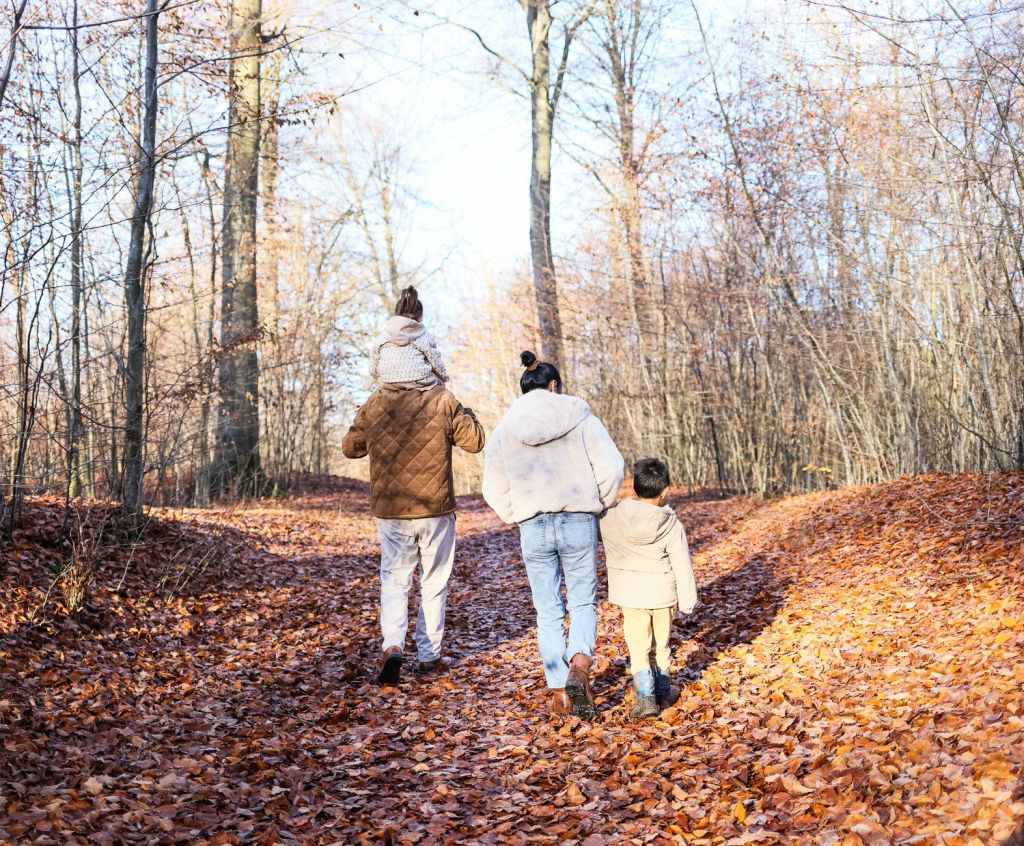
- Make movement social. The report shows people now treat fitness as time with friends. Try a family walk after supper, a Saturday hike, or a backyard game. The point is togetherness, not a perfect workout.
- Protect sleep as a family value. The report notes some people now show off their sleep scores. You can skip the score and simply agree on a wind-down time with screens put away.
- Cook one more meal at home each week. Let kids wash, stir or set the table. They learn about food while you get time together.
- Be a careful filter. Since your family trusts you, check health claims before passing them on. A good rule: if a post, video or chatbot promises a quick fix, ask your doctor or pharmacist first.
- Tend the soul, too. Prayer, worship, gratitude and quiet rest are not extras. Scripture ties a healthy body to a healthy soul, and both grow best in community.
- Include the strugglers. If someone you love feels overwhelmed, invite them along rather than handing them a list of rules. A shared walk says more than a lecture.
A trend with a heart
It is good news that so many people want to live healthier lives. The danger is that wellness turns into one more thing to buy, track and worry about. The better path is the one families have known for generations: eat together, move together, rest well, pray often and look out for one another. That kind of wellness costs very little, and it is open to everyone.
This article is general information, not medical advice. Please check with your doctor before starting a new exercise plan, supplement or treatment, especially if you have a health condition or take medication.
What is one simple healthy habit your family does together that you would recommend to others?
Sources: McKinsey & Company, “Future of Wellness 2027: Inside the $2.7 trillion takeover” (Nov 3, 2026); Glossy, “The 5 consumer archetypes driving the $2.7 trillion wellness industry today, plus news” (Nov 4, 2026); KJV Deuteronomy 6:7




Leave a Reply