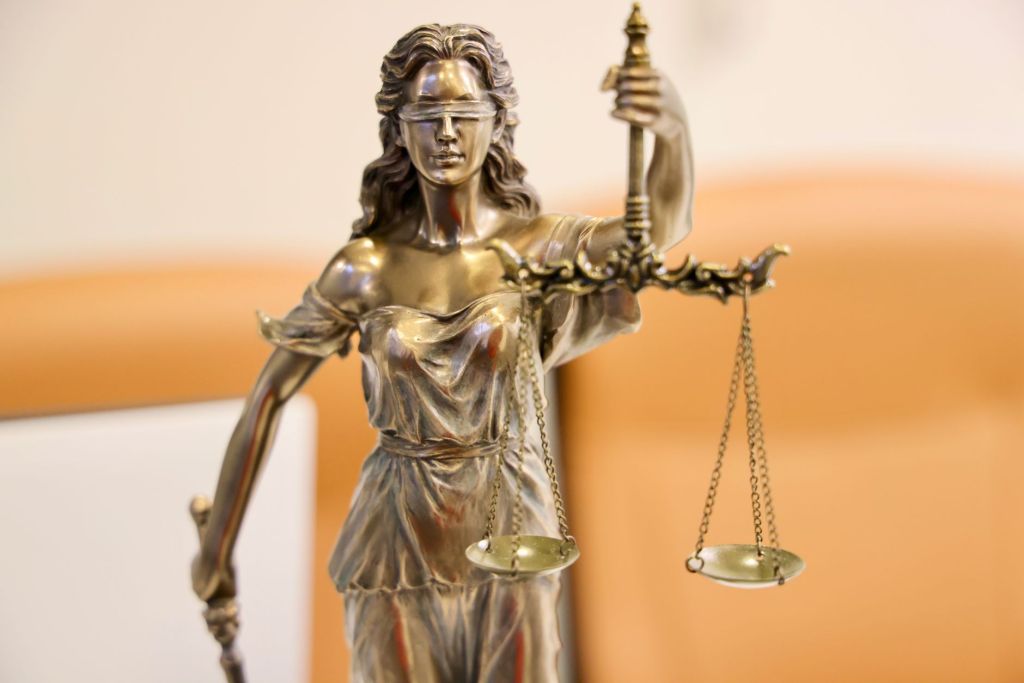
The United Nations’ top court ruled Thursday that Myanmar committed genocide against its Rohingya Muslim minority during a 2017 military campaign, a landmark decision that marks the first time in the court’s roughly 80-year history that it has found a country responsible for genocide.
The International Court of Justice (ICJ) in The Hague reached the verdict by a vote of 9 to 6. The ruling is final and cannot be appealed.
What the court decided
The case, brought by the West African nation of The Gambia in 2019, focused on the Myanmar military’s so-called “clearance operations” in northern Rakhine State in 2017. ICJ President Yuji Iwasawa said the evidence, taken together, supports the conclusion that “Myanmar security forces acted with genocidal intent,” according to International Business Times.
Judges found that security forces killed thousands of civilians, committed widespread sexual violence and burned Rohingya villages, while nearby villages of other ethnic groups were spared, according to Common Dreams. The court said the evidence supports UN estimates of about 10,000 Rohingya killed.
Related coverage on Upstormed News: World AMR Awareness Week 2026: Give One Health an Owner and a Next Step and ACA Open Enrollment Is Here: Higher Premiums and Insurer Exits for 2027.
In separate votes reported by International Business Times, the panel ruled 10 to 5 that Myanmar must compensate members of the Rohingya group and 11 to 4 that Myanmar failed in its duty to punish genocide. All but one judge found that Myanmar had not directly and publicly incited genocide.
What Myanmar is ordered to do
According to VOZ and Common Dreams, the court ordered Myanmar to:
- Allow and help the safe, voluntary and dignified return of displaced Rohingya and the reunification of separated families.
- Investigate, prosecute and punish people suspected of genocide.
- Pay compensation, restore or replace lost property, search for missing people and provide physical and psychological rehabilitation for survivors.
- Pass laws to meet its obligations and give assurances the abuses will not be repeated.
The court also recognized the Rohingya as a distinct ethnic group protected under international law, VOZ reported. Myanmar has long described them as migrants from Bengal. Details of compensation are to be set later.
Reactions
UN Secretary-General António Guterres urged Myanmar to comply. UN human rights chief Volker Türk called the decision “a potential turning point for justice for the Rohingya,” VOZ reported, adding that the United Kingdom said it would expel Myanmar’s defense attaché and seek an urgent UN Security Council meeting.
Amnesty International’s Agnes Callamard called it “a historic and authoritative recognition of the atrocities committed against the Rohingya.” (via Common Dreams)
Myanmar has consistently denied committing genocide and says its 2017 operations were a response to attacks by the Arakan Rohingya Salvation Army, an armed group that struck about 30 security posts in August 2017. The court acknowledged those attacks but found the military’s response was aimed at the Rohingya civilian population. No new statement from Myanmar’s government was included in the reports.
Background
More than 700,000 Rohingya fled to neighboring Bangladesh in 2017, and today more than 1 million live in crowded camps around Cox’s Bazar. The military campaign was led by Senior General Min Aung Hlaing, who seized power in a 2021 coup and now leads the country as president. A UN fact-finding mission has called for him to be investigated; he has rejected the allegations.
Why it matters
ICJ rulings are legally binding, but the court has no police force or way to enforce them on its own, and it judges countries, not individuals. Experts quoted by Common Dreams said the ruling may not quickly change life in the camps, but could increase diplomatic pressure on Myanmar and on governments that deal with it. Some legal scholars also expect it to shape other genocide cases before the court.
What to watch next
- Whether Myanmar’s government responds or takes any steps to comply.
- Any UN Security Council session requested by the United Kingdom.
- Further steps on compensation and on returns of Rohingya refugees.
Upstormed News will follow developments.
Why it matters for families
Many of the Rohingya who fled in 2017 were children, and a generation has now grown up in refugee camps. For parents talking with older kids about this news, it can be a chance to discuss why the world created laws against genocide after World War II, and how courts try to give a voice to people who have suffered.
Read more: Trump, Xi and Putin Hold First Three-Way Talks, Pledge Energy and Nuclear Steps
Can international courts make a real difference for refugees? Tell us in the comments.
Sources: International Business Times, “Myanmar Committed Genocide Against Rohingya: International Court Of Justice” (November 19, 2026); VOZ, “International Court of Justice rules Myanmar committed genocide against Rohingya, orders reparations and safe return” (November 19, 2026); Truthout / Common Dreams, “ICJ Finds Myanmar Guilty of Committing Genocide Against Rohingya Muslims” (November 19, 2026); Washington Examiner, “ICJ rules Myanmar committed genocide against Rohingya” (November 19, 2026).



Leave a Reply