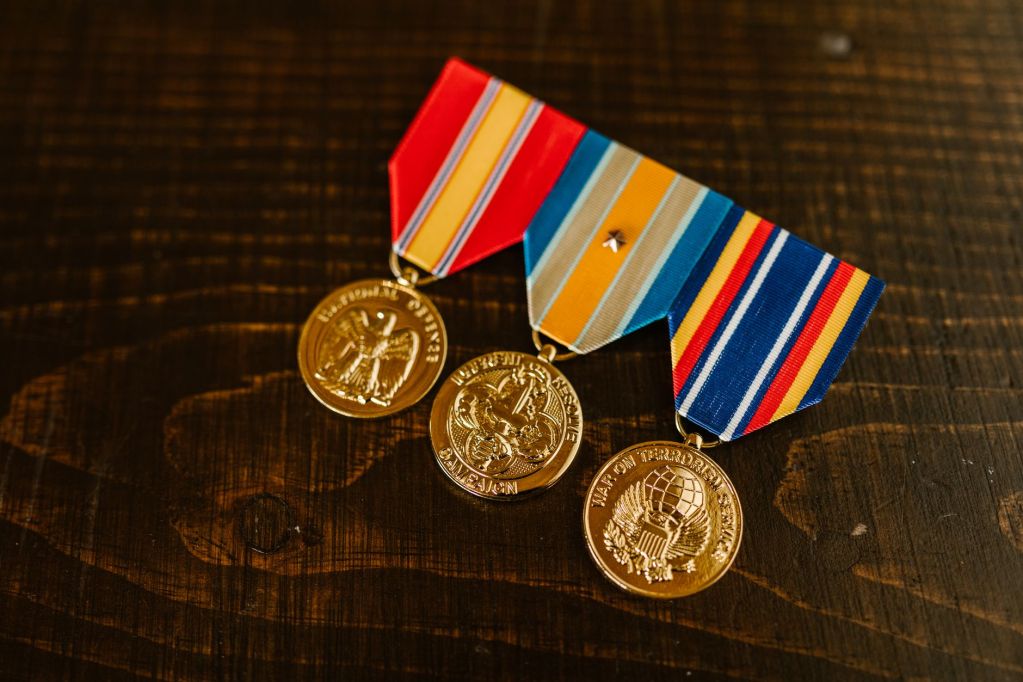
For decades, World War II veteran Ian Hart pinned replica medals to his chest on days of remembrance. Only last month did the 100-year-old Australian learn that the real ones had never been issued to him at all. Now, with help from his daughter and his local veterans’ club, he finally has them: five official service medals, including the Pacific Star, arriving roughly 80 years after his service ended.
His story, reported by ABC News (Australia) on November 11, landed on Remembrance Day in Australia, the same date Americans mark as Veterans Day. It is a reminder that honoring those who served is sometimes a matter of paperwork as much as ceremony, and that it is never too late to set the record straight.
A teenager who chose to serve
Hart was born in Brisbane, Queensland, on December 4, 1925, according to the Virtual War Memorial Australia record of his service. He enlisted on February 11, 1944, at age 18, joining up with school friends instead of spending six months working on a rural property as his parents had hoped, ABC reported.
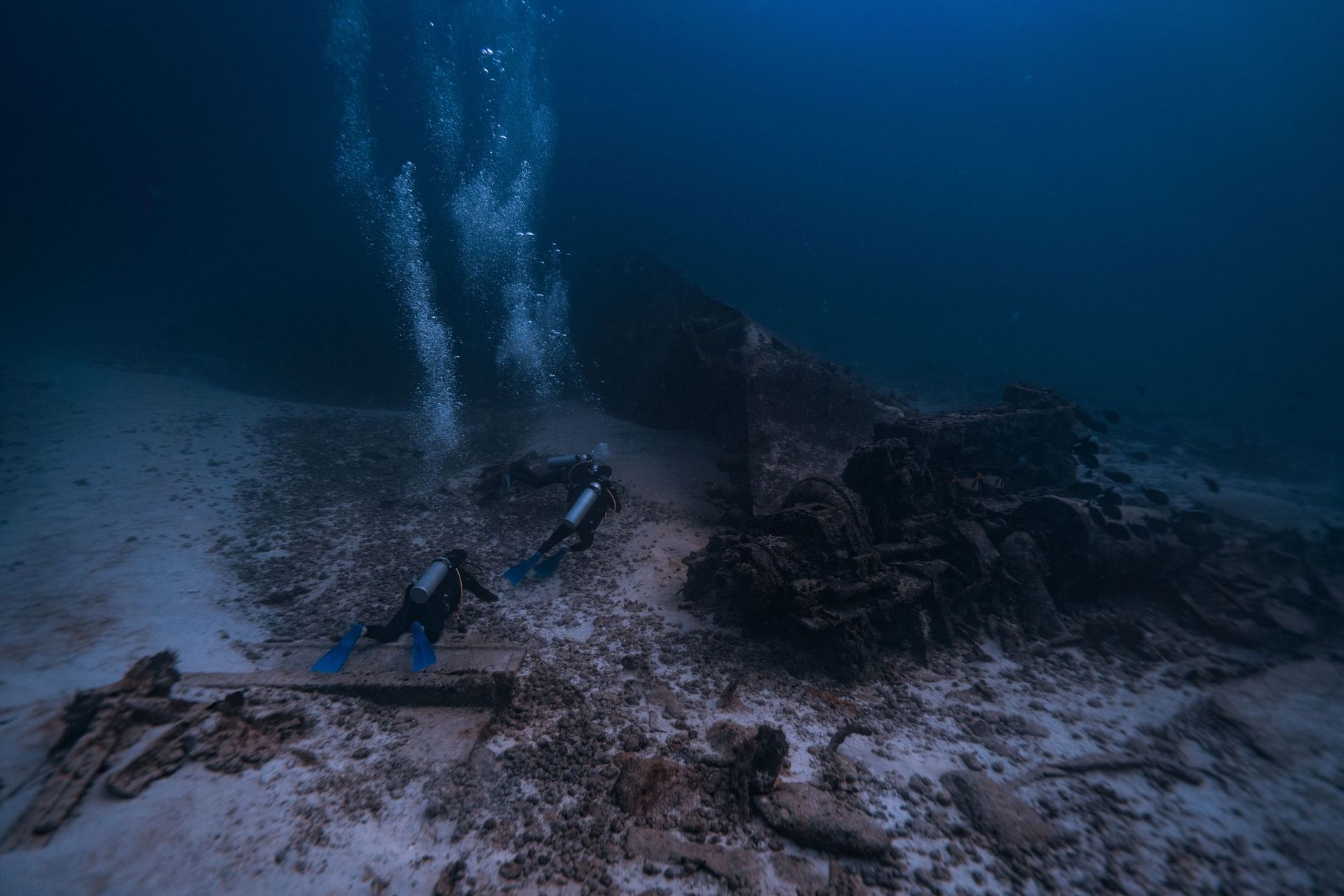
He was posted to the 11th Australian Small Ships Company, a water transport unit that moved troops and supplies through the Pacific. The unit’s vessel, the TSMV Blackwood, sailed from Australia to Borneo and Papua New Guinea before running aground on a reef. The crew abandoned ship and was rescued by an American cargo ship. His recorded service includes 245 days of active service overseas and 622 days in Australia, and he was discharged on June 25, 1946.
Military service ran in the family. His father, Sir Byrne Hart, served in World War I and earned the Military Cross, according to ABC. A profile published last year by the Churchie Old Boys’ Association, the alumni group of his Brisbane school, noted that he was in the class of 1943 and served in postings including New Guinea, Manus Island, Bougainville and Borneo.
How the medals went missing
About 20 years ago, Hart applied for a veterans’ card and was told his records did not show overseas service, something he disputes. He believes the rescue by an American ship may be why his service record was never properly updated. For years he wore replica medals, unaware that the originals had never been issued.
When the truth came out last month, his youngest daughter, Tina Fulton-Kennedy, admitted she did not believe him at first. She told ABC her first thought was, “Oh, he’s 100, he’s losing it.”
She reached out to his local RSL sub-branch, part of Australia’s long-standing veterans’ organization. Members helped verify his service and apply to the Department of Veterans’ Affairs. The medals arrived within about 10 days of the application, and Hart was celebrated at Queensland’s state Parliament House in October.
Fulton-Kennedy said her father was proud but humble about the attention, telling ABC he did not think he deserved to be there.
A full life after the war
Hart’s century has been about far more than his wartime service. The Churchie profile describes how he and his wife, Elaine, built a farming business in Queensland that worked with government researchers on improved pastures, and that later included one of the country’s largest private red deer operations. The couple were married for 70 years and raised four children, with ten grandchildren and twelve great-grandchildren.
Today he lives independently on Tamborine Mountain, inland from the Gold Coast, and stays active in his community, including the RSL and a local Probus club for retirees.
Why it matters for families
Stories like Hart’s show how much a family member’s curiosity can matter. A single phone call from his daughter to a veterans’ group turned decades of replica medals into the real thing. Many families have a parent or grandparent whose service records were never fully checked, especially older veterans whose paperwork dates back generations.
In the United States, the National Archives explains how veterans and, in many cases, next of kin can request medals and awards through the National Personnel Records Center. The Archives says requests from veterans are generally free, and next-of-kin rules and costs vary by branch. Local veterans service officers and groups such as the American Legion or VFW can also help families navigate the process.
Some simple ways to honor a veteran in your own family this week:
- Ask them to share a story from their service, and write it down or record it with permission.
- Look through old documents together and check that their awards were officially issued.
- Contact a local veterans service officer if anything seems missing or incorrect.
- Thank them in person, even if they say, as Hart’s daughter described, that they do not need the fuss.
Ian Hart waited about eight decades for medals he had earned as a teenager. His family made sure he did not have to wait any longer.
Is there a veteran in your family whose story deserves to be told? Tell us in the comments.
Related coverage: WWII Navy Veteran Marvin Geerts, 100, Marks 80 Years in the American Legion · On This Day, Nov. 10, 1775: The U.S. Marine Corps Is Born, 251 Years Ago
Read more: At 100, Texas WWII Navy vet rates Honor Flight welcome ‘105 out of 100’
Sources: ABC News (Australia), “Australian veteran Ian Hart awarded medals 80 years after concluding service” (Nov. 11, 2026); Virtual War Memorial Australia, “HART, Ian Byrne” (accessed Nov. 11, 2026); Churchie Old Boys’ Association, “Celebrating a Centenarian” (Nov. 23, 2025); National Archives, “Veterans’ Service Records: Replace Medals” (accessed Nov. 11, 2026)



Leave a Reply