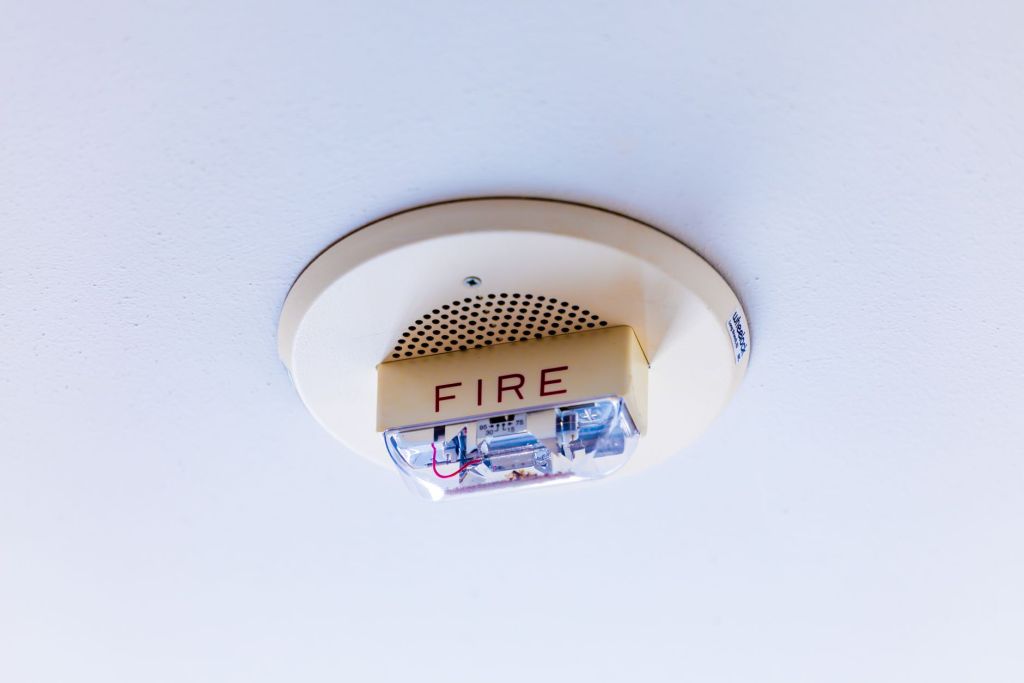
The furnace kicks on before sunrise. The windows stay shut. Soon the house will be full of cousins on air mattresses and a turkey in the oven. These are cozy weeks. They are also the weeks when an invisible danger quietly rises in many homes: carbon monoxide.
On November 3, Cleveland Clinic emergency physician Dr. Thomas Waters urged families to make sure their carbon monoxide (CO) detectors work now that heaters run full time. On November 9, Michigan’s health department, state police, and fire marshal marked November as Carbon Monoxide Safety and Awareness Month in that state. The message applies to every family: a few small checks can protect the people you love.
Why Winter Raises the Risk
Carbon monoxide is a gas you cannot see, smell, or taste. It forms whenever fuel does not burn completely. That includes natural gas, propane, kerosene, gasoline, oil, charcoal, and wood. Furnaces, water heaters, gas stoves, fireplaces, cars, and portable generators can all give it off.
In cold weather, homes are sealed tight, heaters run for hours, people warm up cars in garages, and storms bring out generators. Dr. Waters described winter as a near-perfect setting for CO poisoning, and the numbers show why.
According to the U.S. Centers for Disease Control and Prevention (CDC), each year more than 400 Americans die from unintentional CO poisoning not linked to fires, more than 100,000 visit an emergency department, and more than 14,000 are hospitalized. Michigan alone recorded 608 cases of illness and 42 deaths from unintentional CO poisoning in 2024.
Know the Signs (They Can Look Like the Flu)
The CDC lists headache, dizziness, weakness, upset stomach, vomiting, chest pain, and confusion as the most common symptoms. Because these are often described as “flu-like,” CO poisoning can be easy to miss, especially in a season when colds and flu are going around.
A few clues that something more may be going on:
- Several people in the home, or pets, feel sick at the same time.
- People feel better after leaving the house and worse after coming back.
- Symptoms show up when the furnace, a fireplace, or a gas appliance is running.
Some people are more vulnerable. The CDC notes that infants, older adults, and people with chronic heart disease, anemia, or breathing problems are more likely to become sick. Michigan officials add that unborn babies and young children take in CO more easily. And a sleeping person can be harmed before noticing any symptoms, which is why a working alarm matters.
A Simple Holiday Safety Checklist
Before guests arrive, take 20 minutes with your family and walk through these steps, drawn from CDC, Cleveland Clinic, and Michigan safety guidance:
- Check your CO alarms. Have one on every level of your home and near every sleeping area, including the guest room or the den where relatives will sleep. Press the test button. Smoke alarms do not detect CO unless they are labeled as combination alarms.
- Mind the age of the alarm. CO alarms wear out. Follow the manufacturer’s replacement date. The CDC suggests replacing them as the maker directs or every five years.
- Get heating equipment serviced. Have your furnace, water heater, and other fuel-burning appliances checked by a qualified technician every year, and have the chimney inspected or cleaned.
- Never use the oven to heat the house. Gas ovens and stoves are for cooking only.
- Keep the car out of the garage while it runs. Do not warm up a vehicle in an attached garage, even with the door open.
- Plan for power outages now. Run generators outdoors only, more than 20 feet from windows, doors, and vents. Never use grills, camp stoves, or outdoor heaters inside a home, garage, basement, tent, or camper.
- Ask about alarms when you travel. If you are staying in a rental cabin or with relatives, look for a CO alarm. Some families pack a small battery-powered one.
If the Alarm Sounds
Do not search for the source, and do not wait to see whether the beeping stops. Get everyone, including pets, outside into fresh air right away, and call 911. Opening windows is not enough; Michigan officials note that CO can keep building in enclosed spaces even with windows or doors open. Let emergency responders decide when it is safe to go back in. Anyone with symptoms should get medical care quickly.
Make this a family conversation, not a scary lecture. Show children the CO alarm, explain that its beep means “go outside together,” and pick a meeting spot. Practicing once turns a frightening moment into a plan.
“I will both lay me down in peace, and sleep: for thou, LORD, only makest me dwell in safety.”
— Psalm 4:8 (KJV)
This article is general information, not medical advice. If you or a family member feel unwell, or have questions about symptoms or health conditions, check with your doctor. In an emergency, call 911.
When was the last time your family pressed the test button on your carbon monoxide alarm?
Sources: Cleveland Clinic Newsroom, “Preventing Carbon Monoxide Exposure as Temps Cool” (Nov 3, 2026); FOX Carolina, “Experts say to check carbon monoxide detectors as colder months begin” (Nov 4, 2026); Michigan Department of Health and Human Services, “Michigan agencies remind residents of carbon monoxide poisoning risks” (Nov 9, 2026); CDC, “Carbon Monoxide (CO) Poisoning Basics” (updated Oct 26, 2026); KJV Psalm 4:8.




Leave a Reply