
Turkey and Qatar signed a mutual defense agreement on Friday, deepening one of the Middle East’s closest partnerships at a moment of high tension in the Gulf.
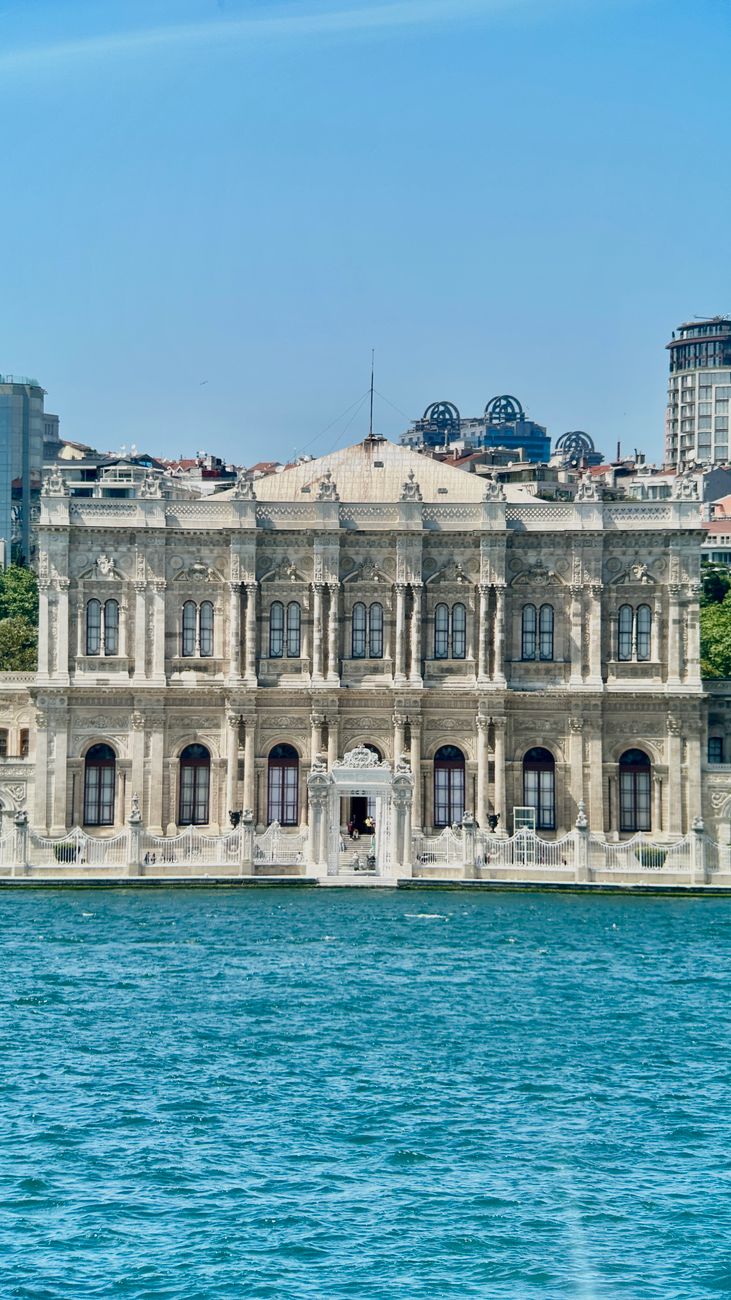
Turkish President Recep Tayyip Erdogan and Qatar’s emir, Sheikh Tamim bin Hamad Al Thani, signed the pact after talks in Istanbul, the Turkish presidency announced, according to Al Jazeera. The New Arab reported that it was one of five agreements signed at the 12th meeting of the Turkey-Qatar Supreme Strategic Committee, held at Dolmabahce Palace.
What was signed
Neither government has released the terms of the defense pact. The Turkish presidency said it “will add a new dimension” to relations between the two countries, and Erdogan said both nations would keep working together with the goal of preventing a renewed war in the Gulf, Al Jazeera reported.
The other agreements, according to The New Arab, covered:
- Education cooperation
- Consumer protection, market surveillance and inspection
- A memorandum on peace, reconciliation and conflict resolution, signed by Turkish Foreign Minister Hakan Fidan and Qatari Prime Minister Sheikh Mohammed bin Abdulrahman Al Thani
- A joint declaration marking the committee’s 12th meeting
Erdogan also said defense industry cooperation will keep growing and that Turkey wants to expand its energy partnership with Qatar, a major natural gas exporter. The leaders discussed Gaza, Syria and Libya, The New Arab reported.
Background: an existing alliance
The two countries already have several defense and military cooperation agreements, and Turkey maintains a military base in Qatar. The new pact formalizes a commitment that goes further, and several outlets described it as a pledge to stand together if either country is attacked.
Why now
The signing came as the region remains on edge. On Friday, the U.S. military said it intercepted two Iranian attack drones headed toward Bahrain, home to the U.S. Navy’s Fifth Fleet, the Associated Press reported. Iran’s Revolutionary Guard claimed it had struck a U.S. radar system in Bahrain, a claim that could not be independently verified; the U.S. said there was no damage or injuries. Iran also reported that a tanker hit a naval mine in the Strait of Hormuz.
Gulf states have been seeking stronger security ties since the U.S.-Iran war began eight months ago. Upstormed News has covered related threats, including Saudi Arabia intercepting Houthi missiles over Riyadh.
Why it matters for families
- The Gulf supplies a large share of the world’s oil and natural gas. Instability there can push up gas and heating prices at home.
- American service members are stationed throughout the region, including in Bahrain and Qatar. Families of military personnel are watching closely.
- Pacts like this can deter attacks, but they can also widen conflicts if fighting resumes.
What to watch next
Watch for the pact’s text or details, reactions from Iran and other Gulf states, and whether exchanges between U.S. and Iranian forces escalate or calm. Upstormed News will follow the story.
Read more: Witkoff says progress made with Putin; new Ukraine talks set
Do alliances like this make the region safer or riskier? Share your view in the comments.
Sources: Al Jazeera, “Turkiye and Qatar sign mutual defence agreement” (Nov. 13, 2026); The New Arab, “Turkey and Qatar sign mutual defence pact among five agreements” (Nov. 13, 2026); Associated Press, “AP News Summary” (Nov. 13, 2026)

Leave a Reply