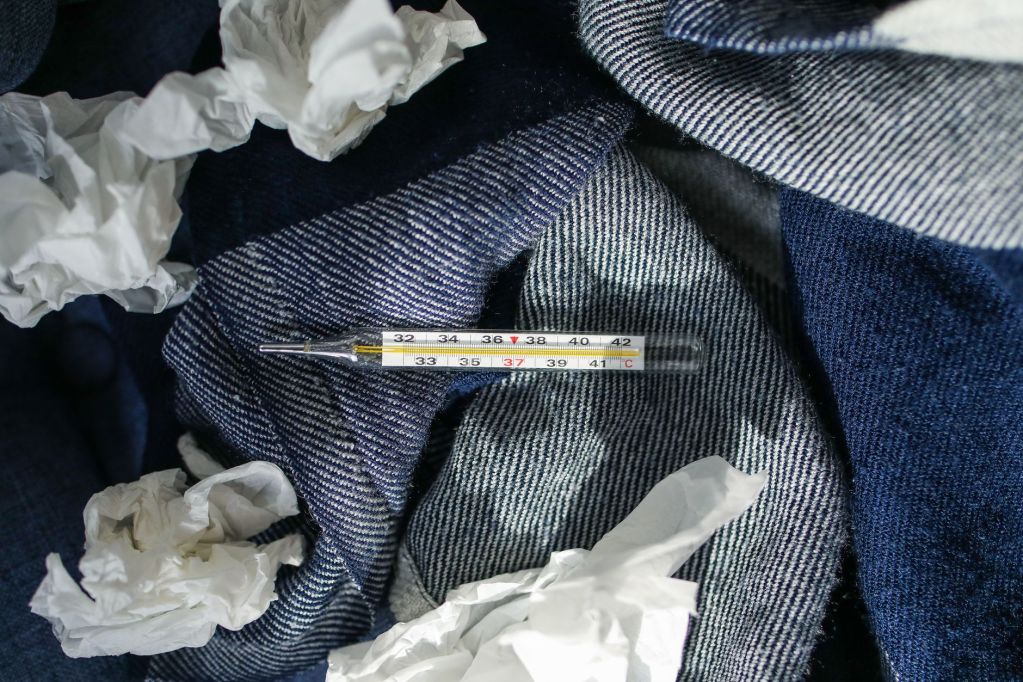
The leaves are turning, the days are shorter, and somewhere in your house a small nose has started to run. Cold and flu season is back. The good news is that most of what helps is simple, free, and already within your family’s reach.
This is general information from public health sources, not medical advice.
Everyday habits that really help
The U.S. Centers for Disease Control and Prevention (CDC) lists a short set of everyday actions to stop the spread of flu germs. The World Health Organization (WHO) names many of the same ones. Here are the family-friendly basics.
- Wash hands often. CDC recommends soap and water, or an alcohol-based hand rub if they are not available. WHO also says to wash and dry hands regularly.
- Cover coughs and sneezes. CDC suggests using a tissue and then throwing it away. WHO gives the same advice about covering your mouth and nose.
- Keep hands away from your face. Both CDC and WHO advise avoiding touching your eyes, nose and mouth.
- Clean frequently touched surfaces. Think doorknobs, light switches, remotes, phones and the kitchen table.
- Let in fresh air. CDC mentions bringing in outdoor air, using air purifiers, or gathering outdoors when you can.
- Stay away from people who are sick. And if you are the one who is sick, limit contact with others.
Staying home when sick is an act of love
It is hard to stay home when schedules are full. But CDC says that if you have flu, you should stay home for at least 24 hours, until your symptoms are improving overall and you have had no fever without using fever-reducing medicine. WHO likewise advises staying home when you feel unwell.
Think of it as caring for your neighbors, classmates and church family.
What the 2026-27 season looks like for vaccines
Different groups are saying slightly different things, so here is a neutral summary.
- Flu: CDC’s flu vaccine page, last updated September 1, 2026, says everyone 6 months and older should get a flu vaccine every season, with rare exceptions, and that it is especially important for people at higher risk of serious complications. WHO calls vaccination “the best way to prevent influenza” and recommends it yearly, including for pregnant women, young children, people over 65, and people with chronic conditions.
- COVID-19 and RSV: According to a September 2026 Scripps News report, the American Medical Association and several specialty groups (including family physicians and pediatricians) released their own 2026-27 recommendations. They recommended flu vaccination for everyone 6 months and older. For COVID-19, some recommended vaccination for children 6 to 23 months, and for ages 2 to 18 if the child is at high risk of severe illness. For RSV, vaccines were mainly recommended for newborns, pregnant women and adults 75 and older. The same report says the CDC advises parents of children under 18 to talk with their doctor about COVID vaccination.
Because recommendations can vary by age, health condition and country, the most reliable step is to ask your own doctor, pediatrician or pharmacist which vaccines apply to each person in your home.
When to seek care
Most colds and mild flu are managed at home, but some signs mean you should get medical care right away. CDC’s emergency warning signs include the following.
In children
- Fast or difficult breathing, or ribs pulling in with each breath
- Bluish lips or face
- Chest pain, or muscle pain so severe the child refuses to walk
- Signs of dehydration, such as little or no urine for 8 hours, dry mouth, or no tears when crying
- Not alert or responsive when awake, or seizures
- Fever above 104°F that does not respond to fever reducers, or any fever in an infant under 12 weeks
In adults
- Trouble breathing or shortness of breath
- Ongoing chest or abdominal pain or pressure
- Ongoing dizziness, confusion or inability to stay awake
- Seizures, not urinating, or severe weakness or unsteadiness
CDC adds that a fever or cough that improves and then returns or worsens, or a worsening chronic condition, also needs attention, and that the list is not complete. If something about a family member worries you, contact a medical provider.
A note for your doctor visit: This article is general information and cannot diagnose or treat anyone. Please talk with your doctor or pharmacist about vaccines, medicines, and any symptoms, especially for babies, pregnant women, older adults and anyone with a long-term health condition.
Caring for body and soul
The Apostle John wrote a loving wish to a friend:
“Beloved, I wish above all things that thou mayest prosper and be in health, even as thy soul prospereth.”
— 3 John 1:2 (KJV)
So wash those hands, open a window, and look after each other. And if the sniffles do arrive, rest, ask for help, and remember that you are not facing the season alone.
What is one habit that helps your family stay healthy through cold and flu season?
Sources: CDC, flu prevention page (updated September 1, 2026); CDC, flu vaccines page (updated September 1, 2026); CDC, flu emergency warning signs page (August 26, 2024); WHO, “Influenza (seasonal)” fact sheet (February 28, 2025); Scripps News, “Medical groups release 2026-2027 flu, COVID and RSV vaccine recommendations for fall season” (September 2, 2026).



Leave a Reply