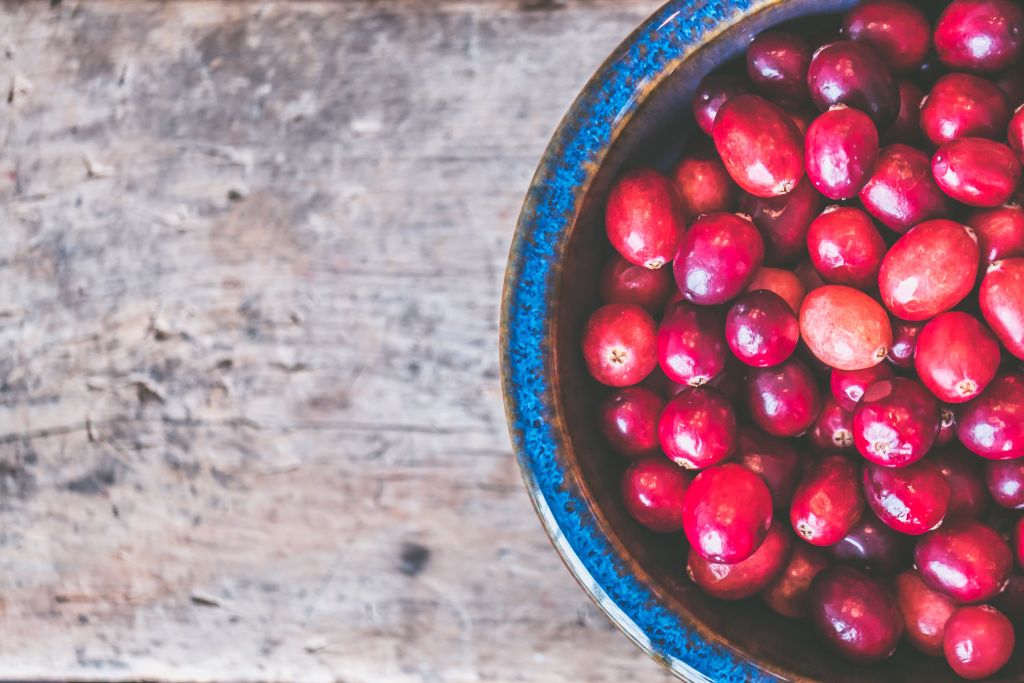
Some foods simply belong to Thanksgiving, and that bright, tangy spoonful of cranberry sauce is one of them. That little red berry has deep roots on this continent. Here is a quick look at the cranberry’s story, followed by an easy homemade sauce the whole family can help make.
A fruit that started here
The American cranberry, known to scientists as Vaccinium macrocarpon, is native to North America. Purdue University’s consumer horticulture team notes that it belongs to the same plant family as blueberries and grows as a low, trailing, evergreen vine.
Long before farms existed, Native peoples used the berries as food, in ceremonies and as medicine, according to the Cranberry Institute. The Massachusetts growers’ history page says the Wampanoag people of southeastern Massachusetts ate the berries fresh, dried them, and mixed them with dried meat and fat to make pemmican, a long-lasting food for the cold months.
The name has a fun backstory, too. European settlers in the 1600s called the fruit “craneberry” because its blossom reminded them of a sandhill crane’s head.
From wild vines to working bogs
Cranberry farming in the United States began in Massachusetts. Henry Hall, a Revolutionary War veteran in the town of Dennis, noticed that wild vines grew better where blowing sand had drifted over them. He began moving vines and spreading sand on purpose, and in 1816 he planted the first commercial cranberry beds. Neighbors soon copied his method.
Here is a surprise for kids: cranberries do not grow underwater. They grow on low vines in beds layered with sand, peat, gravel and clay, often called bogs or marshes. Growers flood the beds in winter so a coat of ice protects the vines from the cold. In spring, the water is drained and bees pollinate the blossoms. Over the summer, small green berries form and slowly ripen, and harvest runs from about mid-September into mid-November.
How the berries are harvested
Most cranberries are gathered with a wet harvest. Farmers flood the bog, and machines gently knock the berries off the vines. Because each berry has small pockets of air inside, the fruit floats to the top, where it is corralled and loaded onto trucks. These berries are mostly used for juice and sauce.
A smaller share is picked by dry harvest, using machines that comb the fruit from the vines without any water. Those are the berries that end up in bags in the produce aisle.
Today, U.S. growers harvest about 40,000 acres of cranberries each year. According to US Cranberries, Wisconsin grows roughly 61 percent of the nation’s crop and Massachusetts about 26 percent, with New Jersey, Oregon and Washington making up the rest. Fresh berries are generally in stores from September through December, which is why they show up just in time for Thanksgiving.
Easy homemade cranberry sauce
This simple stovetop sauce follows the familiar one-bag, one-cup, one-cup approach, similar to a recipe the USDA shares from Utah State University Extension. It makes about eight servings.
You will need:
- 1 bag (12 ounces, about 3 cups) fresh or frozen cranberries
- 1 cup sugar
- 1 cup water
- Optional: 1 orange, peeled, chopped and seeded
Steps:
- Rinse and sort. Kids can pour the berries into a colander, give them a rinse, and pick out any soft or shriveled ones.
- Measure. Let little helpers measure the sugar and water into a medium saucepan. If using the orange, an adult should do the peeling and chopping.
- Heat. An adult places the pan on the stove over medium-high heat and stirs until the sugar dissolves and the mixture begins to simmer.
- Listen for the pops. Turn the heat down and let it simmer, stirring now and then, until the berries begin to burst. Kids love listening for the little popping sounds from a safe distance.
- Mash a little. Lightly mash the berries with a spoon until the sauce is as chunky or smooth as your family likes.
- Cool and chill. Take the pan off the heat and let it cool, then spoon it into a bowl and refrigerate until serving.
A safety note for families: hot sugar mixtures can cause serious burns, so keep the stirring and pouring in adult hands while the sauce is on the stove. Let the sauce cool completely before kids handle the bowl, taste it or help spoon it into a serving dish.
Leftover fresh berries keep in the refrigerator for about three to four weeks, so you can save a bag for a second batch or a holiday baking project.
A small dish with a big story
Making cranberry sauce together is a chance to talk with children about where food comes from: a fruit that grew wild here, was gathered by Native peoples, and is still harvested from flooded bogs every fall. When the bowl is passed around this year, your kids will know its story.
Does your family make cranberry sauce from scratch, or do you have a favorite twist on the classic? Share in the comments below.
Sources: Cranberry Institute, “About Cranberries”; US Cranberries, “Cranberry Cultivation” (last modified Feb. 21, 2024); Massachusetts Cranberries / Cape Cod Cranberry Growers’ Association, “History”; Purdue University Consumer Horticulture, “Thankful for Cranberries” (Nov. 22, 2019); USDA, “Homemade Cranberry Sauce” (adapted from Utah State University Cooperative Extension).




Leave a Reply