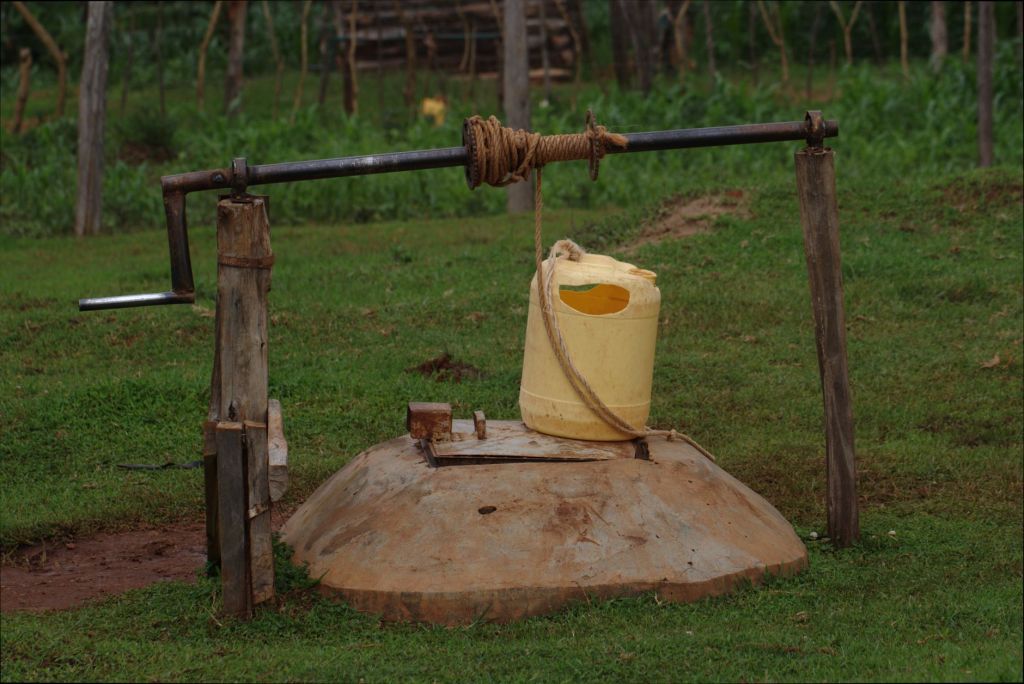
For centuries, an ancient eye disease has quietly stolen the sight of the world’s poorest families. This week, one small nation in the Horn of Africa told it goodbye.
On November 16, 2026, the World Health Organization (WHO) announced that Eritrea has eliminated trachoma as a public health problem. It’s a victory decades in the making, won village by village, and it carries a hopeful message for all of us.
What is trachoma?
Trachoma is the world’s leading infectious cause of blindness. It’s caused by a bacterium and spreads through contact with discharge from the eyes and noses of people who are infected, which happens most easily in places where clean water is hard to find.
One infection usually isn’t the problem. The danger comes when it happens again and again. Over time, the inside of the eyelid scars and turns inward, so the eyelashes scrape the surface of the eye with every blink. Without treatment, that can lead to blindness that can’t be undone.
The WHO describes trachoma as a disease of poverty, tied closely to gaps in water, sanitation, hygiene and health care. According to Nature World News, it was once common in Europe and North America too, and faded there as housing, water and hygiene improved.
Meet Eritrea
Eritrea sits along the Red Sea in the Horn of Africa. Its capital, Asmara, is known for its striking early-20th-century modernist buildings and was added to UNESCO’s World Heritage List in 2017. Many Eritreans, however, live far from the capital, in remote rural communities where clinics and clean water can be hard to reach. That is exactly the kind of setting where trachoma thrives.
How they did it
Eritrea’s victory didn’t come from one miracle cure. It came from patience, teamwork and a simple plan called SAFE:
- S – Surgery to correct eyelids that have turned inward.
- A – Antibiotics to clear the infection. Most were donated by Pfizer through the International Trachoma Initiative.
- F – Facial cleanliness, because clean faces help stop the spread.
- E – Environmental improvement, especially better access to water and sanitation.
Between 2006 and 2020, health teams surveyed communities across the country, eventually covering all 58 of Eritrea’s sub-zobas (local districts) and stepping up treatment wherever the disease was found. Health workers used digital tools to map hard-to-reach villages.
One detail stands out. The WHO says a community-led sanitation approach delivered big gains with limited outside funding. In other words, ordinary families, building better habits and better latrines together, helped change their country’s future. Partners included Eritrea’s Ministry of Health, the Fred Hollows Foundation and the WHO.
WHO Director-General Dr. Tedros Adhanom Ghebreyesus praised the two decades of effort that brought the country to this point. Dr. Mary Stephen, the WHO’s representative in Eritrea, put the credit where it belongs: “This success belongs first and foremost to the people of Eritrea.”
“The LORD openeth the eyes of the blind: the LORD raiseth them that are bowed down: the LORD loveth the righteous:”
— Psalm 146:8 (KJV)
The bigger picture
Eritrea is now the 34th country in the world, and the 11th in the WHO’s African Region, to be validated for eliminating trachoma. It’s also the 66th country to wipe out at least one neglected tropical disease.
The worldwide progress is remarkable. In 2002, about 1.5 billion people needed help against trachoma. By November 2025, that number had fallen to fewer than 100 million.
The work isn’t finished. As of March 2026, about 92 million people still lived in areas where trachoma is common, and it remained a public health problem in parts of 29 countries. The WHO’s goal is to eliminate it worldwide by 2030. “Eliminated” also doesn’t mean “gone forever,” so Eritrea will keep watching for new cases and caring for people who still need eyelid surgery.
What families can take from this
- Small habits matter. Eritrea’s story shows how something as simple as washing faces and hands can protect a whole community. It’s a great lesson to share with kids at the sink.
- Be thankful for clean water. This Thanksgiving, pause to thank God for the water that comes from your tap. Millions still walk long distances for theirs.
- Pray and give. Many charities work on eye health and clean water around the world. If your family wants to help, research one together and choose where your gift can do the most good.
Eritrea’s people faced a long storm. With steady effort, faithful partners and a lot of soap and water, they rose above it, and now their children can look toward a brighter future.
What everyday habit in your home do you think quietly protects your family’s health the most?
Sources: World Health Organization, “Eritrea eliminates trachoma: a major public health milestone” (November 16, 2026); Peoples Gazette, “Eritrea becomes 11th African country to eliminate trachoma” (November 16, 2026); Nature World News, “WHO confirms Eritrea has beaten trachoma, world’s leading infectious cause of blindness” (November 16, 2026); Africanews, “Eritrea capital Asmara makes UNESCO World Heritage list” (July 12, 2017).



Leave a Reply