With Black Friday a little more than a week away and Thanksgiving on Nov. 26, law enforcement agencies are warning that scammers are gearing up for the busiest shopping stretch of the year. In the past two days, the U.S. Secret Service, the FBI’s Boston field office and South Dakota Attorney General Marty Jackley have each issued holiday fraud warnings, and their advice lines up on a simple theme: slow down and check before you click, pay or share.
What officials are warning about
The Secret Service, in tips published Nov. 18, said cybercriminals often take advantage of the jump in holiday shopping, travel and charitable giving. It said fake shopping sites can copy the look of real stores and may even appear near the top of search results through paid ads. Its advice: type a store’s known web address into your browser or use the retailer’s official app, rather than clicking links in unsolicited emails or social media ads.
In Boston, the FBI said scammers are using better artificial intelligence tools to build convincing fake retail sites with too-good-to-be-true deals, and to send texts, emails and calls pretending to be banks or credit card companies. Mario Fratantonio, an assistant special agent in charge in the Boston office, told Boston 25 News that “this time of year presents unique opportunities for fraudsters.” The FBI said online fraudsters took more than $11 million from victims in Massachusetts, New Hampshire, Rhode Island and Maine last year.
In South Dakota, Attorney General Jackley pointed to three common tricks: fake delivery messages, tampered gift cards, and suspicious online retailers. A typical scam, his office said, is a text or email claiming a package is waiting and asking you to click a link. He urged shoppers to “stay vigilant, be cautious of unsolicited offers” and not to be rushed into a purchase.
Scams to know by name
The Secret Service highlighted several schemes that tend to surface this time of year:
- Fake delivery notices. Don’t click links in unexpected shipping texts or emails. Go directly to the carrier’s website or app instead.
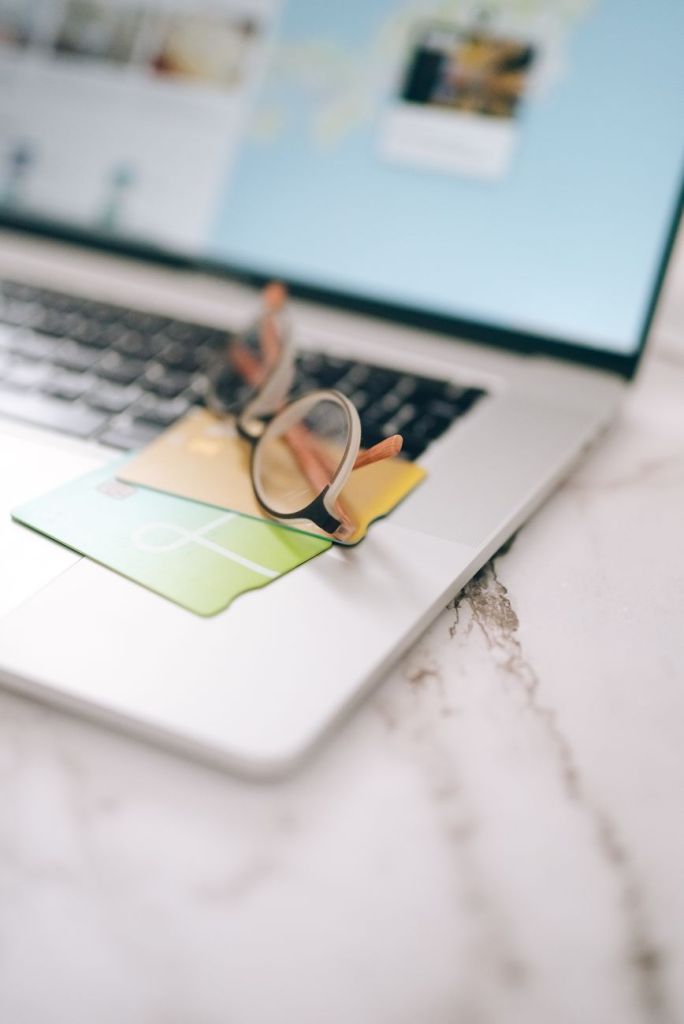
- Gift card schemes. Check the packaging, including the area covering the code, for signs of tampering before you buy. The Secret Service also cautions that money stolen from a gift card generally cannot be recovered.
- The “accidental payment.” A stranger sends you money, says it was a mistake, and asks you to send it back. Don’t return it directly; contact the payment service’s official customer support.
- Look-alike charities. Fake groups may use names close to real charities. The Secret Service suggests checking organizations through the BBB Wise Giving Alliance, Candid, Charity Navigator or CharityWatch, and giving directly.
- Family emergency calls. Scammers can use technology to make a call look and sound like it comes from a relative in trouble. Hang up and call that person back at a number you know. The FBI’s Internet Crime Complaint Center (IC3) reported more than $5 million in losses to emergency or distress scams in 2025, the Secret Service said.
- Fake party invitations. Unexpected online invites, even ones that seem to come from someone you know, can steal passwords or deliver harmful files. Confirm through a separate, trusted channel.
Gift cards should be used for gifts, not payments. — U.S. Secret Service
Smart shopping habits from the warnings
Jackley’s office offered a practical checklist for online and in-store shopping:
- Be wary of prices that seem too good to be true, including on look-alike websites.
- Consider paying with a credit card instead of a debit card, since credit cards offer more protection if your card information is stolen.
- Check return policies, warranties, restocking fees and shipping deadlines before you buy. For gift cards, check fees and expiration dates.
- Never give a Social Security number or bank account information to a retailer asking for more than the sale requires.
- Use a strong, unique password for new accounts, or check out as a guest.
- Look for “https” in the web address, but remember it does not guarantee a seller is legitimate.
- Keep phones and computers updated and avoid shopping apps from unknown sources.
Red flags in a message include misspellings, suspicious links, urgent demands, or claims that you are part of a fraud investigation. As the FBI’s Boston office put it, the best defense is to pause and verify on your own, using a phone number or website you already trust, not the one in the message. The same caution applies to sharing family moments online this season; see our guide to sharing holiday photos safely.
Why it matters for families
Holiday budgets are already stretched, and a single bad click can wipe out gift money or expose a family’s bank account. Children and teens who shop or game online, and older relatives who may get “emergency” calls, are frequent targets. A few minutes at the dinner table can help: agree on a family rule to never pay anyone with gift cards, set up a code word for real emergencies, and remind kids to ask a parent before entering payment details anywhere. Pair that with checking any toys on your list against recent safety notices, which we covered in our report on toy recalls before holiday shopping.
If you’ve been scammed
The FBI urges victims to file a complaint at ic3.gov. Officials said reporting may help you recover some money and can help investigators warn others. Contact your bank or card company right away, too. Upstormed News will keep following consumer warnings as Black Friday and Cyber Monday approach.
Read more: Important papers to gather before the New Year
What do you think: have you or someone in your family spotted a holiday scam this year? Tell us in the comments.
Sources: AVC News (YourRadioPlace), “Secret Service Offers Tips to Avoid Scams During 2026 Holiday Season” (November 18, 2026); Boston 25 News, “Boston FBI warns of AI scams during the holidays” (November 17, 2026); Dakota News Now, “AG Marty Jackley warns shoppers about holiday scams” (November 18, 2026)


Leave a Reply