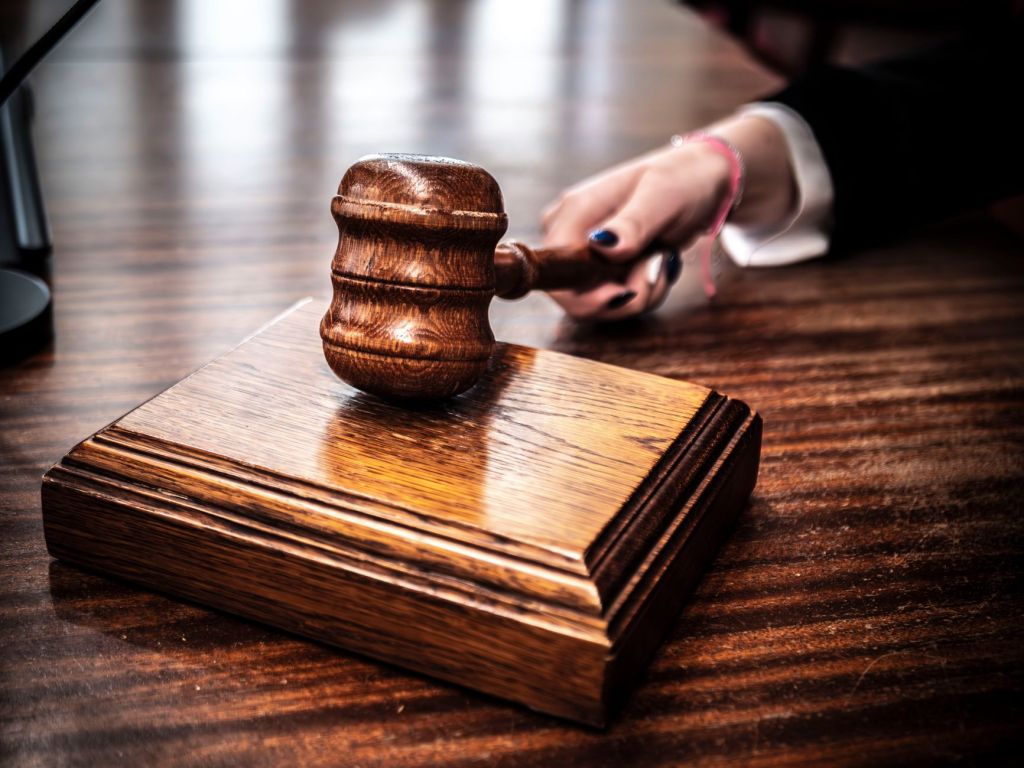
A federal jury in Brooklyn has convicted Chinese tech giant Huawei on 10 of 12 criminal counts, including bank fraud, wire fraud, violating U.S. sanctions on Iran and conspiring to steal trade secrets from American companies. The verdict, reached Tuesday after a trial of more than two months, closes a case that began with a 2018 arrest that strained relations among the United States, China and Canada.
Jurors acquitted Huawei of the two most sweeping charges: racketeering conspiracy, the claim that it operated as a criminal enterprise, and conspiracy to obstruct justice. Huawei says it will appeal.
What the jury decided
The case was brought against Huawei Technologies and three affiliates, which TNW identified as Huawei Device, Futurewei Technologies and Huawei Device USA. Prosecutors called more than 60 witnesses, and the defense called 15, Reuters reported.
Prosecutors said Huawei misled major banks, including HSBC, Standard Chartered and BNP Paribas, about its business in Iran, which allowed money to move in ways that broke U.S. sanctions. Much of that centered on Skycom, a company prosecutors said ran Huawei’s Iran business while Huawei told lenders it was independent.
The trade secret charges covered alleged thefts from U.S. companies over two decades, according to court reporting:
- Router source code that prosecutors said was copied from Cisco.
- Part of a T-Mobile phone-testing robot that an employee allegedly took from a lab to be photographed and measured.
- Antenna technology from Quintel and a circuit board from CNEX, plus an incident involving a device at a Fujitsu trade-show booth.
Tysen Duva, the Justice Department’s assistant attorney general for the criminal division, said Huawei “built its global empire on a foundation of fraud, theft, and deception,” TNW reported. Sentencing is scheduled for Sept. 14, 2027, according to TNW. Possible penalties include fines, forfeiture and restitution, and Newsweek reported Huawei could face billions of dollars in penalties.
Huawei’s response
Huawei said the charges it was convicted on lack legal merit and that it would “take all necessary legal actions to defend our rights and interests,” Reuters reported. The company also argued that the trade secret disputes were civil matters settled long ago. Defense lawyer Brian Heberlig said the racketeering acquittal undercuts the government’s broader case. During trial, he argued the banks knew about and competed for Huawei’s Iran business.
How the case began
The case grew out of the December 2018 detention in Canada of Meng Wanzhou, Huawei’s chief financial officer and the daughter of its founder, on a U.S. warrant. She was accused of misleading an HSBC banker about Huawei’s Iran dealings. After nearly three years fighting extradition, she reached a deferred prosecution agreement in 2021 and returned to China, and the charges against her were later dropped.
In 2019, the U.S. placed Huawei on a trade blacklist limiting its access to American technology. Huawei is already largely shut out of the U.S. telecom market, so the practical business impact of the verdict is uncertain, Newsweek noted. The company has more than 200,000 employees in about 170 countries, according to Reuters.
Why it matters now
The verdict lands at a sensitive moment in U.S.-China tech competition. Huawei has moved into chips and artificial intelligence hardware and is now seen as China’s main homegrown alternative to Nvidia, whose advanced AI processors face U.S. export limits to China. This week Nvidia’s board reinstated Jensen Huang as CEO, a move covered in our report on Huang’s return and in lawmakers’ questions about the decision.
The case also comes weeks after President Trump met Chinese leader Xi Jinping, as covered in our coverage of the Shenzhen talks. Major outlets had not reported a formal response from Beijing to the verdict as of early Wednesday.
Why it matters for families
Most American households will not notice a direct change, since Huawei phones and network gear are already largely absent from the U.S. market. But the case shows how seriously U.S. authorities treat the protection of American inventions and the jobs tied to them. It is also a reminder that the devices and apps families use sit in the middle of a larger contest between the world’s two biggest economies.
What to watch next
Watch for Huawei’s appeal filings, any reaction from China’s government, and how the verdict affects broader U.S.-China trade and technology talks before sentencing next year. Upstormed News will follow the case.
Read more: Russian National Charged With Spying on, Stalking Palantir Workers in Silicon Valley
Do you think about where your phone or tech gear comes from before you buy it? Share your view in the comments.
Sources: Reuters via Yahoo News, “China’s Huawei convicted in sprawling US criminal trial over Iran business” (November 24, 2026); Newsweek, “Huawei Convicted in US as Chinese Tech Giant Emerges as Nvidia Rival” (November 24, 2026); TNW, “US jury convicts Huawei of trade secret theft and bank fraud” (November 25, 2026)


Leave a Reply