
NATO Secretary-General Mark Rutte traveled to Warsaw over the weekend to show the alliance’s support for Poland, after two Russian missiles and a suspected drone came down on Polish soil during one of Russia’s largest attacks on Ukraine. Poland is now asking allies for more air defense help along NATO’s eastern edge.
Rutte met Polish Prime Minister Donald Tusk on Saturday, Nov. 21. He said “all allies stand in full solidarity with Poland,” Vatican News reported, and added that Polish authorities were still assessing exactly what happened. No new NATO measures were announced at the meeting.
What happened
Early Friday, Nov. 20, Russia launched a massive overnight bombardment of Ukraine. Ukrainian President Volodymyr Zelenskyy said it included more than 400 drones and over 110 missiles, 27 of them ballistic. At least eight civilians were killed, including six in Kyiv, the Associated Press reported. Strikes on the power grid forced Ukraine’s three working nuclear plants to cut output. The attack came after President Vladimir Putin vowed to retaliate for Ukrainian strikes on the Kerch Bridge linking Crimea to Russia.
During that attack, three objects crashed in southeastern Poland, according to Polish Defense Minister Wladyslaw Kosiniak-Kamysz:
- A Russian Kh-101 cruise missile near the village of Nowy Lipowiec.
- A second suspected missile near Rudnik nad Sanem.
- A suspected jet-powered drone near Molodycz.
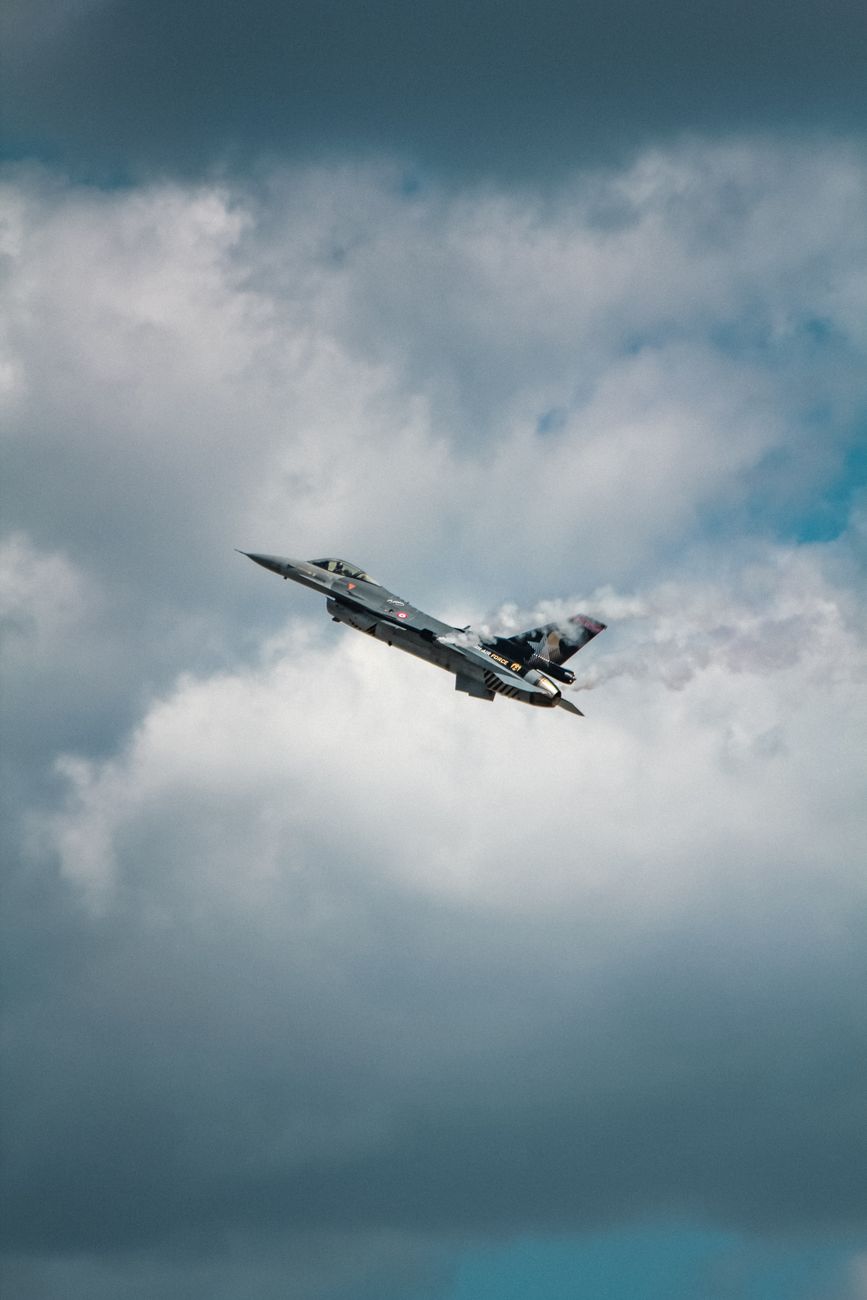
No injuries or serious damage were reported. Video showed a large explosion and a bright flash in a wooded area. Polish F-16s and Swedish Gripen fighter jets were sent up, and Patriot air defense batteries were activated. But no weapons were fired, a Polish general said, because not all conditions for engaging the target were met. One Swedish pilot reported that bad weather prevented visual identification, AeroTime reported. Airports in Rzeszow and Lublin briefly halted operations.
It was the second Kh-101 to land in the same Polish county in less than four months, after a similar crash on July 30.
Provocation or mistake?
Tusk called it an intentional provocation. He noted that the missiles fell during a large European military exercise nearby, where troops from 11 countries have been training since Nov. 9 for a possible peacekeeping mission in Ukraine after a ceasefire. One missile landed roughly 22 miles from the exercise area. Tusk stressed that the link to the drills is still a hypothesis.
European leaders responded sharply. Rutte called the incident a “grave violation” of Polish airspace. British Prime Minister Andy Burnham called it “utterly unacceptable,” and Germany’s Foreign Ministry called it another example of Russia’s provocations.
President Donald Trump has taken a different view. He said Putin had sent drones and missiles into Poland by mistake, a position his administration has paired with an active push for a peace deal. U.S. envoys Steve Witkoff and Jared Kushner are leading those talks, and Kushner has told European leaders that Russia would be comfortable with NATO-like security guarantees for postwar Ukraine. Moscow made no immediate comment on the crashes, but Putin has said European troops sent to Ukraine after a peace deal would be treated as legitimate targets.
What Poland is asking for
Kosiniak-Kamysz said he would ask Rutte for more forces under Operation Eastern Sentry, the NATO air-defense mission set up after Russian drones entered Polish airspace in September 2025. Reports said Warsaw wants more fighter jets and airborne early-warning aircraft to extend radar coverage, and that Poland plans to raise the incident at the U.N. Security Council.
Poland has not formally invoked Article 4 of NATO’s treaty, which allows any member to call emergency talks. Article 5, which treats an attack on one member as an attack on all, would require agreement from every ally. Analysts quoted by Al Jazeera said the bar for Article 5 is very high and that a direct NATO-Russia clash remains unlikely.
Why it matters for families
Poland is a NATO ally, and under the alliance’s treaty the United States and other members have pledged to defend one another. Each stray missile raises the risk of a miscalculation that could widen the war. Britain’s defense intelligence chief, Lt. Gen. Matthew Jones, said he does not believe Russia wants war with NATO, but he named miscalculation as his greatest fear. For families following the news, this is a reminder that peace talks and battlefield events are moving at the same time.
What to watch
Watch for NATO’s decision on Poland’s request for more air defenses, any U.N. Security Council discussion, and whether Russia responds to the accusations. The peace effort led by Witkoff and Kushner is also expected to continue. Upstormed News will keep following this story.
Related coverage
- Russia Pounds Ukraine With Massive Barrage as Europe Seeks Seat at Peace Talks
- Alexa Gasparotto Becomes First Black Woman to Land Triple Axel at a Grand Prix
- Zelenskyy Says U.S. Raised Donbas-for-NATO Swap; Kyiv Won’t Cede Land
Read more: COP31 Climate Summit Collapses With No Deal After Fossil Fuel Standoff
Do you think NATO should send more air defenses to Poland after the missile crashes?
Sources: Vatican News, “NATO Secretary General pledges solidarity with Poland after missile incursion” (November 21, 2026); Al Jazeera, “Russian missiles hit Poland: What happened, and could NATO respond?” (November 21, 2026); PBS NewsHour/AP, “NATO calls Russian missiles landing in Poland a ‘grave violation’ of airspace” (November 20, 2026); AeroTime, “Russian Kh-101 crashes in Poland, Swedish Gripens respond” (November 20, 2026); Latin Times, “Poland Requests More NATO Air Defenses After Russian Missiles, Drone Crash on Its Soil” (November 20, 2026)



Leave a Reply