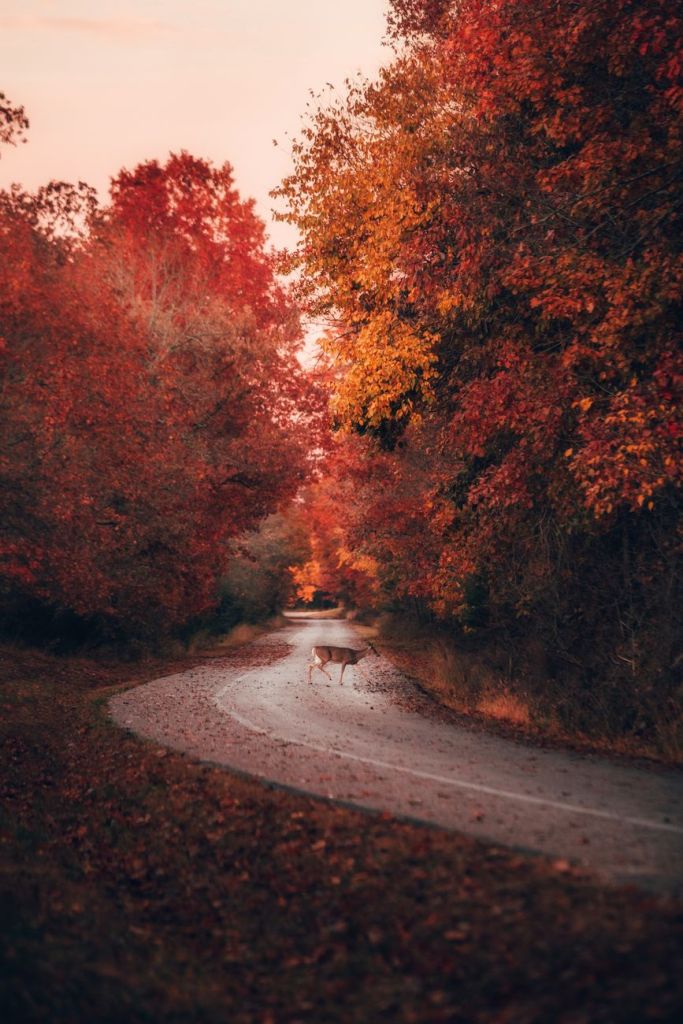
If it feels like you have been seeing more deer along the road lately, you are not imagining it. November is the peak month for vehicle crashes involving deer and other large animals, according to insurer State Farm, and with darker evening commutes now that daylight saving time has ended, safety officials are urging drivers to slow down and stay alert.
The numbers
State Farm estimates there were more than 1.6 million animal-collision insurance claims across the United States from July 1, 2025, through June 30, 2026, according to Carrier Management. The insurer paid about $1.9 billion in related claims over that period. Deer are by far the animals most often struck.
There is some good news: claims fell from about 1.7 million the year before, and the national odds of an animal collision improved from 1 in 139 to 1 in 145. State Farm ranks November, October and December as the top three months for these crashes, in that order, according to a Stacker report published by WFTV. In State Farm’s 2025 report, October through December made up about 41% of claims, Money Talks News reported.
The Insurance Institute for Highway Safety counted 210 deaths from animal collisions in 2024, up from 89 in 1975, according to the Stacker report.
States with the highest odds
West Virginia has topped State Farm’s list for more than a decade. The 10 states with the highest odds for July 2025 through June 2026 were:
- West Virginia: 1 in 46
- Montana: 1 in 54
- Wisconsin: 1 in 62
- Pennsylvania: 1 in 64
- Michigan: 1 in 68
- Iowa, Mississippi and Virginia: each 1 in 81
- Maine: 1 in 85
- South Dakota: 1 in 86
Pennsylvania had the most estimated claims of any state, about 141,000. Georgia moved from ninth to eighth nationally for animal collisions over the past year, State Farm spokesman Roszell Gadson told Atlanta News First.
Why fall is so risky
Two things overlap this time of year. Deer are in their mating season, known as the rut, and are moving more. At the same time, the end of daylight saving time puts many evening commutes in the dark. Georgia’s Department of Natural Resources says most collisions happen between 5 and 8 a.m. and again between 5 and 8 p.m. “We tend to see more deer collision claims in the fall,” Gadson said.
Miami University researcher David Gorchov told Stacker that deer numbers in the East and Midwest are far higher than they once were, because of plentiful food, the loss of predators such as wolves, and limited hunting in cities and on private land.
How to lower your risk
- Slow down and stay alert, especially from dusk to dawn.
- Use high beams on empty roads at night to spot the shine of animal eyes near the road.
- Take extra care near deer-crossing signs and where roads run between fields and woods.
- If an animal steps into your path, brake firmly and stay in your lane. Swerving can send you into oncoming traffic or off the road, which is often more dangerous than hitting the deer.
- Always wear your seat belt. Experts say deer whistles, fences and reflectors have not been proven to work.
If you hit a deer
Move to a safe spot if you can and turn on your hazard lights. Call police if the animal is blocking traffic, and stay away from an injured or frightened animal. Before driving on, check for leaking fluids, tire damage and broken lights.
Insurance matters too. Comprehensive coverage typically pays for damage when your car strikes an animal, while liability-only policies generally do not, according to Money Talks News. If you swerve and hit a tree or guardrail instead, that usually falls under collision coverage. Medical bills are typically covered only if your policy includes medical payments or personal injury protection. Now is a good time to check your declarations page for comprehensive coverage and its deductible.
Why it matters for families
Many families will be driving more in the coming weeks, from school pickups in the dark to Thanksgiving road trips. A few habits, like slowing down at dusk and not swerving, can help keep everyone safer. Earlier this month, Upstormed News shared tips on helping your family sleep well through the time change, and on what Americans are planning for Thanksgiving 2026.
Read more: Falling Back on Nov. 1: How to Help Your Family Sleep Well Through the Time Change
Have you ever had a close call with a deer on the road? Tell us in the comments.
Sources: Carrier Management, State Farm animal collision claims report (September 28, 2026); Stacker / Miami University via WFTV, “November is peak deer-collision season. Drivers in these states face the highest risk” (November 3, 2026); Atlanta News First via WTOC, “State Farm, Georgia DNR warn of rise in deer collisions after time change” (November 3, 2026); Money Talks News, “State Farm Paid $1.9 Billion on Animal Collisions. Would Your Policy Pay for a Deer?” (accessed November 9, 2026)


Leave a Reply