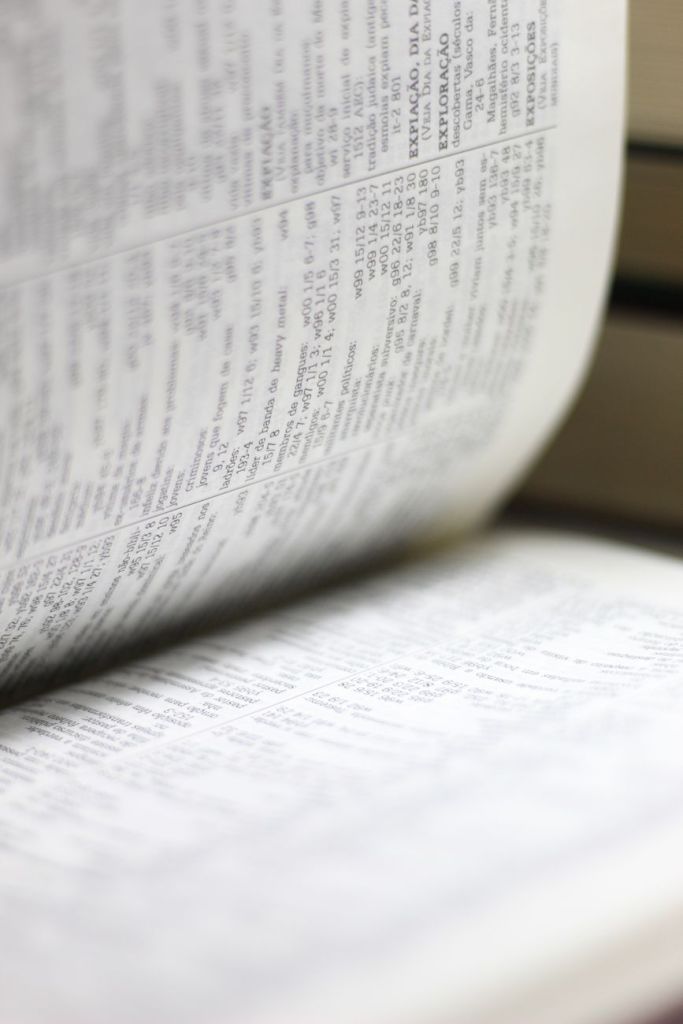
Short vertical soap operas, AI-made propaganda and a gloomy outlook on the future are all in the running to define 2026. Oxford University Press (OUP), the publisher of the Oxford English Dictionary, has released a four-word shortlist for its Oxford Word of the Year, and the public has only a few days left to weigh in.
The finalists are doomerism, microdrama, post-literate and slopaganda. OUP posted the list on its website, saying the words reflect a year of uncertainty and existential self-reflection, WION reported on Friday, Nov. 20. Voting runs through Tuesday, Nov. 24, and the winner is set to be announced on Tuesday, Dec. 1, according to Oxford University Press Southern Africa.
The four words, and what the data shows
OUP’s experts built the shortlist by analyzing its 32-billion-word corpus of language data, looking at how English changed over the last 12 months. Here is how the publisher defines each finalist, along with the usage figures it shared:
- Slopaganda (noun): low-quality propaganda made with generative AI and spread widely online, especially on social media. OUP says its relative frequency rose about 1,300% over the past year, the biggest jump on the list.
- Microdrama (noun): a drama series told in very short, vertical-format episodes meant for smartphone viewing, usually with a melodramatic, fast-moving plot. Usage roughly tripled this year, according to OUP, which notes the format first took off in China.
- Doomerism (noun): extreme pessimism, especially the belief that catastrophic harm to humanity from a threat such as AI or climate change is unavoidable. OUP says use of the word has been climbing since 2022.
- Post-literate (adjective): describing a period or society in which literacy and the importance of the written word have declined significantly. OUP tied its rise to reports of declining reading habits and fears about losing basic skills.
Dariol Wicomb, dictionaries publisher at Oxford University Press Southern Africa, told Bizcommunity the annual pick offers “a fascinating lens into how our society is evolving.” OUP says its experts will weigh the corpus data, the public vote and wider commentary before making the final call.
A fifth year of letting the public vote
This is the fifth straight year OUP has opened its Word of the Year to a public vote. Recent winners trace the internet’s grip on everyday speech: “goblin mode” in 2022, “rizz” in 2023, “brain rot” in 2024 and “rage bait” in 2025. Earlier picks included “selfie” in 2013 and “climate emergency” in 2019.
Three of this year’s four finalists point to the same place: the screens in our pockets. Two are about artificial intelligence, directly or indirectly, and one is a format built entirely for phones.
How Oxford’s list fits the rest of 2026
Oxford is the last of the major English dictionaries still deciding. The others have already made their picks, and together they sketch a year shaped by technology and youth slang:
- Dictionary.com chose “maxxing” on Oct. 26, slang for pushing something to its fullest, Euronews reported.
- Collins named “mogging,” Gen Z and Gen Alpha slang for outshining someone, after a 210% rise in usage, KRDO reported on Nov. 3.
- Cambridge Dictionary picked “human” on Nov. 17, citing a year of debate over what it means to be human as AI blurs the line between people and machines.
In announcing the Cambridge choice, the University of Cambridge quoted AI governance expert Professor Rachel Adams: “AI is going to be a profound test for humanity.” Oxford’s shortlist suggests that question is still on a lot of minds.
Why it matters for families
Words of the year are not endorsements. They are a record of what people are actually saying and reading. This year’s Oxford list doubles as a handy conversation starter at the Thanksgiving table:
- Slopaganda is a reminder to teach kids, and ourselves, to pause before sharing a shocking image or video. Ask: Who made this? Is a trusted news outlet reporting it too?
- Microdramas are built to be binged a minute at a time. If your teens watch them, it may be worth checking the content and setting time limits, as with any other app.
- Post-literate can be a nudge to make room for books over the holiday break, from read-alouds with little ones to a shared family novel.
- Doomerism opens the door to talking with kids about worries they hear online, and balancing hard news with hope and practical action.
Voting closes Tuesday, and Oxford is expected to reveal its winner on Dec. 1. Upstormed News will report the result.
Related coverage
- Churches Open Their Tables for Thanksgiving, Living Out Jesus’ Words in Luke 14
- ‘W Chews’ and ‘L Nibbles’: The Viral Food Slang Parents Are Hearing This Week
Read more: Sapporo White Illumination 2026: Match the Evening to the Venue
Which word would you pick to sum up 2026: doomerism, microdrama, post-literate or slopaganda?
Sources: WION, “From post-literate to slopaganda: Oxford releases list of 2026 Word of the Year” (November 20, 2026); Bizcommunity, “Oxford Word of the Year 2026 shortlist reflects a year of uncertainty, existential self-reflection & cultural change” (November 20, 2026); University of Cambridge, “Cambridge Dictionary reveals Word of the Year 2026” (November 17, 2026); KRDO, “Mogging is Collins word of the year, but what does it mean?” (November 3, 2026); Euronews, “Dictionary.com reveals 2026 Word of the Year – and it’s a depressing one” (October 26, 2026); Oxford University Press, “Oxford Word of the Year” (accessed November 22, 2026)


Leave a Reply