On November 17, 1869, a line of ships decorated with flags sat waiting at Port Said, on Egypt’s Mediterranean coast. At the front was L’Aigle, the imperial yacht carrying France’s Empress Eugénie. Crowds, royalty, and reporters from around the world had gathered. After a decade of digging, the Suez Canal was finally open.
This coming Tuesday marks 157 years since that day. It is a story of bold vision, but also one that asks us to remember the people history almost forgot.
A Dream as Old as the Pharaohs
People had wanted to link the Mediterranean and the Red Sea for thousands of years. Small canals connecting the Nile to the Red Sea were in use as early as 2000 B.C. But a direct cut across the narrow strip of desert called the Isthmus of Suez seemed out of reach. For centuries many believed the two seas sat at different heights, so a canal would flood the land.
In the 1830s, a French engineer surveyed the area and found the seas were at the same level. That opened the door. In 1854, French diplomat Ferdinand de Lesseps won permission from Egypt’s ruler, Said Pasha, to build a canal. In April 1859, de Lesseps struck the first blow with a pickaxe at what would become Port Said.
The Hands That Dug It
The work was expected to take about six years. It took ten. Desert heat, labor troubles, and a cholera epidemic in 1865 slowed everything down, and the cost ballooned to more than double the original estimate.
Here is the part that is easy to skip over. In the early years, the canal was dug largely by hand, with picks, shovels, and baskets, by Egyptian peasants drafted into forced labor. Historians estimate that around 1.5 million people worked on the project over the decade, and that many thousands died from disease and harsh conditions. Exact numbers are uncertain and still debated, but the human cost was real and heavy.
Later, European crews brought in steam shovels and dredgers, and machines took on more of the work. The canal was completed in August 1869 and opened that November, roughly 100 miles long. Ships could now travel between Europe and Asia without sailing all the way around the southern tip of Africa, saving weeks at sea.
A Grand Opening, and a Complicated Legacy
Egypt’s ruler, Khedive Ismail Pasha, threw a lavish celebration. The opening drew Empress Eugénie and other dignitaries, and the event became one of the great spectacles of the century.
Yet the story did not end neatly. Traffic was lighter than hoped at first, with fewer than 500 ships in the first full year. Within six years, Egypt was in such financial trouble that Ismail sold his shares in the canal to Britain in 1875. For decades, foreign powers controlled the waterway built with Egyptian labor on Egyptian soil, until Egypt took over its operation in 1956.
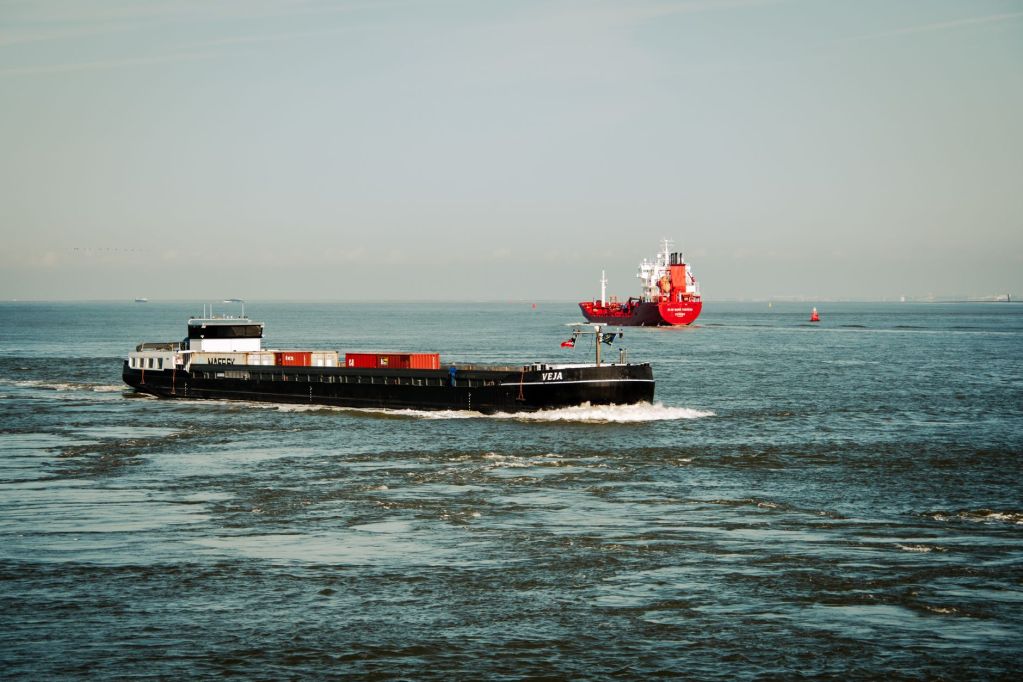
Today the canal is one of the busiest shipping lanes on earth. Some of the things on your kitchen shelves may well have passed through it.
Lessons for Our Families Today
The Suez Canal shows what people can accomplish when they refuse to accept that something is impossible. It also reminds us that great achievements usually rest on the shoulders of people whose names never make it onto a plaque.
“Behold, I will do a new thing; now it shall spring forth; shall ye not know it? I will even make a way in the wilderness, and rivers in the desert.”
— Isaiah 43:19 (KJV)
Long before engineers cut a waterway through the sand, God promised to make a way where there seemed to be none. Here are some ways to bring this story home:
- Notice the unseen helpers. Talk as a family about the people who make your life work but rarely get thanked: delivery drivers, cleaners, farm workers, the cafeteria staff. Write one of them a note this week.
- Expect setbacks on big dreams. The canal took four extra years and cost twice as much. Remind kids (and yourself) that delays do not mean failure.
- Ask “who paid the price?” When you learn about any great achievement, ask who did the hard work behind it. It builds honesty, empathy, and a fuller view of history.
- Look at a map together. Trace the old route around Africa and the shortcut through Suez. It is a simple way to show children how connected our world really is.
- Pray for a way through. If your family faces a “desert” season right now, Isaiah’s promise is for you too.
Progress is worth celebrating. But the best way to honor it is to remember everyone who carried it, especially those who never got to see the ships sail by.
Who is an unsung helper in your family’s life that deserves a thank-you this week?
Sources: HISTORY.com, “Suez Canal”; HISTORY.com, “Ground broken for Suez Canal” (This Day in History, April 25); Encyclopaedia Britannica, “Suez Canal: History”; KJV Isaiah 43:19.


Leave a Reply