As the days shorten and coats come out of the closet, most of us think about staying warm. Fewer of us think about a quiet nutrient that can slip a little lower this time of year: vitamin D. It is sometimes called the “sunshine vitamin,” and that nickname explains a lot about why winter deserves a second look at what is on our plates.
What vitamin D actually does
According to the National Institutes of Health’s Office of Dietary Supplements (ODS), vitamin D’s best-known job is helping the body absorb calcium, one of the main building blocks of bone. Together, calcium and vitamin D help protect against osteoporosis, the bone-thinning condition that leads to fractures in many older adults.
But the vitamin does more than build bones. The ODS notes that muscles need it to move, nerves need it to carry messages between the brain and body, and the immune system needs it to help fight off bacteria and viruses. When levels stay too low for too long, children can develop rickets, which softens bones, and adults can develop osteomalacia, which can cause bone pain and muscle weakness.
Why winter can pull levels down
Our skin makes vitamin D when it is exposed to the sun’s ultraviolet B (UVB) rays. In winter, three things work against us. Harvard Health explains that the farther you live from the equator, the lower the sun sits in the sky during the colder months, so less UVB reaches the ground. Harvard notes that in a city like Boston, skin makes little vitamin D from November through February. Add shorter days and layers of clothing, and there is simply less chance to soak up those rays.
Another surprise for many families: the ODS says sunshine coming through a window does not produce vitamin D. That sunny spot by the kitchen glass feels lovely, but it does not count.
A 2026 study adds an interesting twist. Researchers at Newcastle University in England, publishing in the European Journal of Clinical Nutrition, tested close to 300 people in northern Britain, focusing on adults 65 and older and people from minority ethnic backgrounds. They found low vitamin D was common in these groups, and levels did not improve much even in summer. The study had a limited local sample and was funded by a supplement company, so it is not the final word, but it is a gentle reminder that sunshine alone may not cover everyone.
Foods that help
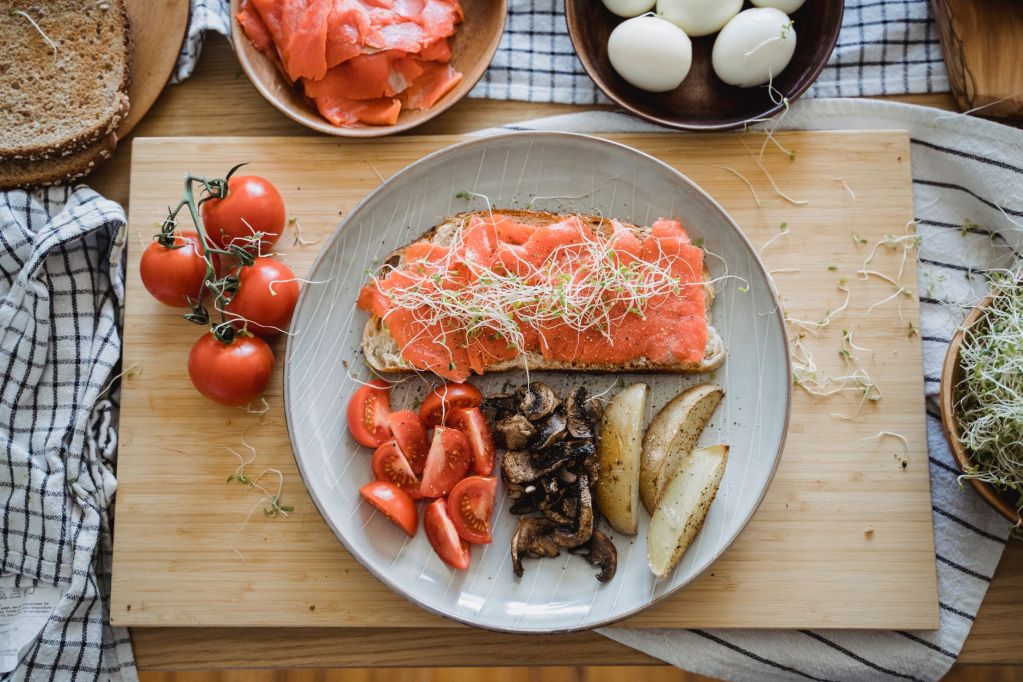
Few foods naturally contain much vitamin D, which is why the ODS says fortified foods supply most of it in the American diet. Here are good places to start when planning winter meals:
- Fatty fish such as salmon, trout, tuna and mackerel are among the best natural sources.
- Fortified milk, along with many plant-based milks, some breakfast cereals, some orange juices and yogurts. Check the Nutrition Facts label, since fortification varies by brand.
- Eggs, especially the yolk, which carries a small amount.
- Mushrooms have a little naturally, and some are exposed to ultraviolet light to boost their vitamin D. Look for packaging that says so.
A simple family idea: make one night a week “fish night,” or toss UV-treated mushrooms into a winter soup. Small, steady habits add up.
Sunshine, sensibly
Getting outside still matters, even when the sun is weak. At the same time, the ODS cautions that ultraviolet rays can cause skin cancer, so time in the sun should be limited, and experts still recommend sunscreen with an SPF of 15 or more for longer stretches outdoors. Balance is the goal: fresh air and daylight without burning.
Who may be at higher risk
The ODS lists several groups who may have a harder time getting enough vitamin D:
- Breastfed infants, since breast milk alone does not provide enough
- Older adults, whose skin makes vitamin D less efficiently
- People who seldom get sun on their skin, including those who are homebound
- People with darker skin, because melanin reduces how much vitamin D the skin makes
- People with conditions that affect fat absorption, such as Crohn’s disease, celiac disease or ulcerative colitis
- People with obesity or who have had gastric bypass surgery
Why supplements are a doctor conversation
It can be tempting to grab a bottle off the shelf, but more is not always better. The ODS warns that too much vitamin D can be harmful, causing problems from nausea and muscle weakness to kidney stones and, in extreme cases, serious heart and kidney trouble. Toxicity almost always comes from supplements, not from food or sunshine. Vitamin D supplements can also interact with some medicines, including certain steroids, statins, water pills and a weight-loss drug. Only your doctor or pharmacist can look at your whole picture, decide whether a blood test makes sense, and tell you what, if anything, is right for you.
“Beloved, I wish above all things that thou mayest prosper and be in health, even as thy soul prospereth.”
— 3 John 1:2 (KJV)
Caring for our bodies is one way of giving thanks for the life God has given us. This winter, let the darker days be a reason to fill the table with good food, step outside when the sun shines, and look out for one another.
Check with your doctor: This article is general information only and is not medical advice. It does not diagnose any condition or recommend any amount of vitamin D. Talk with your doctor or pharmacist before starting any supplement, especially if you take medicines, are pregnant or have a health condition.
What is your family’s favorite winter meal that includes fish, eggs or mushrooms?
Sources: NIH Office of Dietary Supplements, “Vitamin D: Fact Sheet for Consumers” (November 2022); Harvard Health Publishing, “9 things that can undermine your vitamin D level” (May 17, 2018); Newcastle University, “Summer sun fails to fix vitamin D gap in at-risk groups” (June 4, 2026).




Leave a Reply