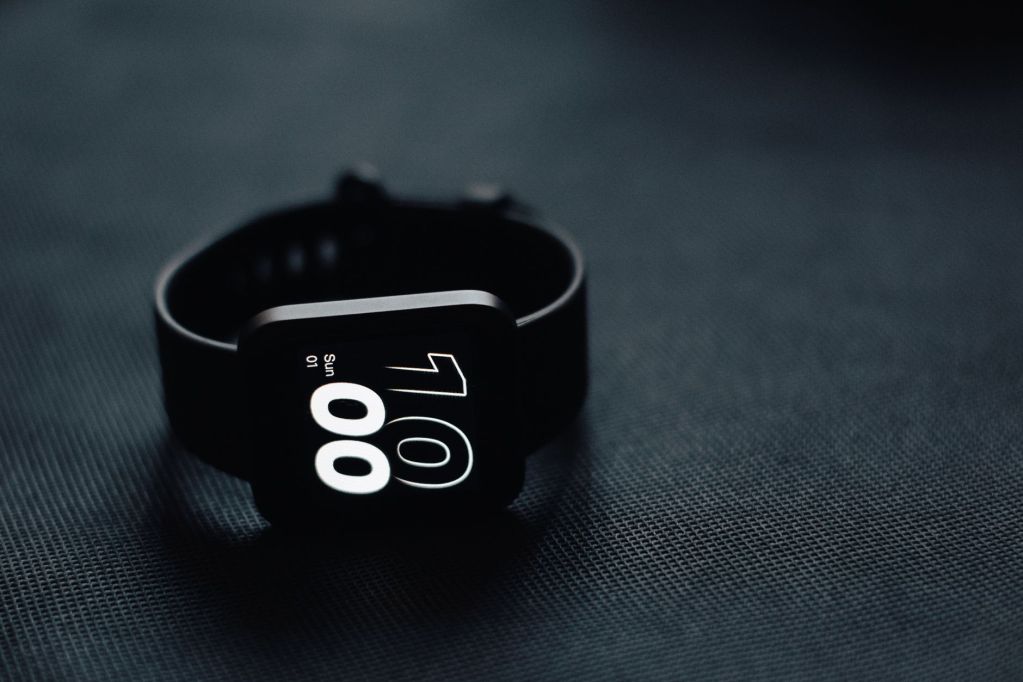
For years the loudest voices in wellness promised that more data meant more health. Count every step. Score every night of sleep. Log every bite. This week, as leaders of the wellness industry gathered in Thailand, a different message kept rising to the surface: many people are tired of being measured, and they are going back to the simple habits that have always worked.
The Global Wellness Summit met in Phuket from November 10 to 13 for its 20th anniversary, under the theme “The Science, Art and Soul of Wellness.” Coverage of the event noted that the “art and soul” half of that title was a deliberate counterweight to an industry that has leaned hard into measurement and optimization. Earlier this year the Summit named “The Over-Optimization Backlash” one of its top trends for 2026, describing people pushing back against data-heavy, performance-driven routines in favor of emotional well-being and feeling safe.
Why this is trending now
Wellness is now a giant business. On November 10 the Global Wellness Institute reported that the global wellness economy reached a record $7.5 trillion in 2025 and could approach $11 trillion by 2030. With that much money at stake, many families feel pressure to buy the next gadget or app.
At the same time, a November 12 piece from Men’s Fitness, shared widely on Yahoo Life, asked a question a lot of people have quietly wondered: is my fitness tracker making me healthier, or just more anxious? The article pointed to a pattern sleep researchers call “orthosomnia,” which is worry caused by chasing a perfect sleep score. It cited a 2026 survey in which more than 3 in 10 adults who track their sleep reported symptoms of that kind of sleep anxiety. It also noted that research links calorie counting and constant tracking with unhealthy eating patterns in some vulnerable people.
That does not mean trackers are bad. The same article pointed to a large research review finding that wearable activity trackers help people move more, by roughly 1,800 extra steps a day on average. The lesson is balance. A tool is good when it serves you. It is a problem when you start serving it.
What this means for families
Children watch how adults treat their bodies. If a parent groans at a bad sleep score every morning or treats every meal like a math problem, kids can absorb the idea that health is a test they are always failing. If they see parents walk, rest, eat real meals together and laugh, they learn that caring for the body is a normal, joyful part of life.
Scripture reminds us that worry has never added anything to our lives:
“Which of you by taking thought can add one cubit unto his stature?” (Matthew 6:27, KJV)
Jesus was not telling us to stop caring for our bodies. He was inviting us to stop letting anxiety run the show. Good stewardship and peaceful trust can live in the same home.
Five simple ways to step back from the scoreboard
- Look at weeks, not mornings. If you use a tracker, check the trend over several weeks instead of reacting to one night or one day. One rough night does not define your health.
- Turn off what stresses you. Many devices let you hide “readiness” or stress scores. If a number sours your mood, switch it off and see how you feel.
- Take a tracking sabbath. Pick one day a week, or one weekend a month, with no counting at all. Notice how your body feels without a screen telling you.
- Go back to the basics together. A family walk after dinner, a regular bedtime, water at the table and a shared meal cost nothing and need no app.
- Keep numbers away from kids’ plates. Talk with children about foods that give energy and strength rather than calories and scores.
A note of care
If tracking food, exercise or sleep has started to feel obsessive or upsetting for you or someone in your family, it is perfectly fine to stop. Anyone with a history of eating struggles may be wiser to skip calorie and activity tracking altogether. Talk with your doctor or a trusted health professional if you are concerned. This article is general information, not medical advice.
The hopeful part
The real news this week is not that a trend changed. It is that people are rediscovering something old and good. Rest is a gift, not a performance. Movement can be play, not punishment. A meal around the table nourishes the heart as well as the body. None of it needs a subscription.
You do not have to earn a perfect score to be loved, by God or by the people around your table. Through every storm, we rise together, one simple, peaceful day at a time.
Does your family use fitness or sleep trackers, and have they helped you or stressed you out?
Sources: Men’s Fitness via Yahoo Life, “Is Your Fitness Tracker Making You Healthier or Just More Anxious?” (November 12, 2026); Global Wellness Institute via PR Newswire, “The Global Wellness Economy Hits New Record of $7.5 Trillion and Is Forecast to Reach $10.9 Trillion by 2030” (November 10, 2026); Destination Deluxe, “Global Wellness Summit 2026: Highlights from Phuket” (November 15, 2026); Global Wellness Summit, “Global Wellness Summit Releases 10 Wellness Trends for 2026” (January 27, 2026).




Leave a Reply