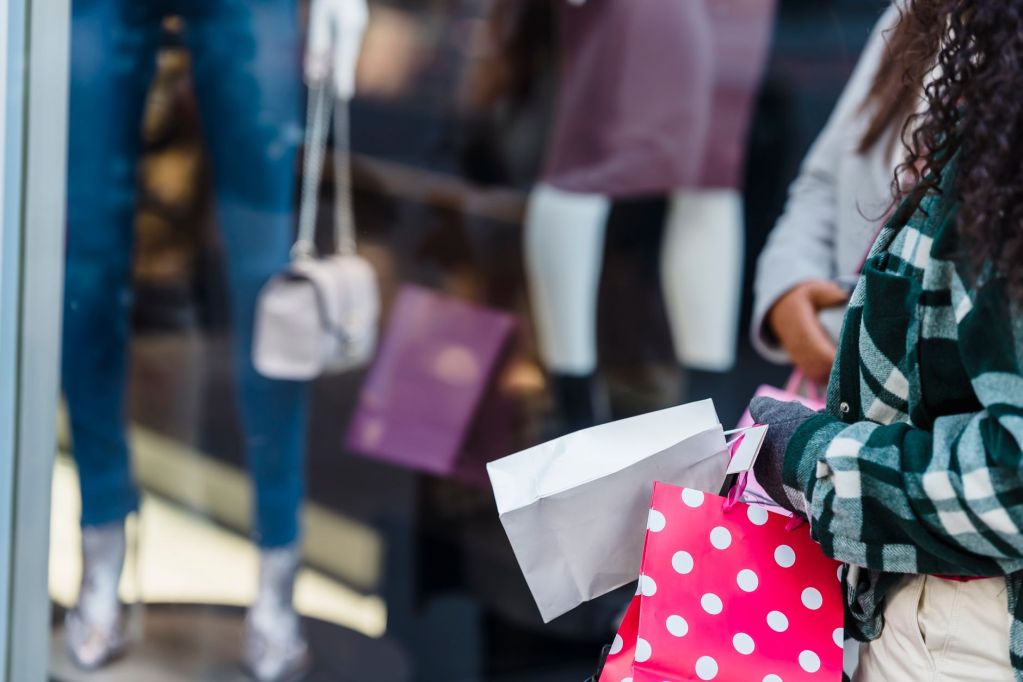
Americans kept spending in October, but at a slower pace. U.S. retail sales rose 0.2% from September, the Commerce Department’s Census Bureau reported Tuesday, Nov. 17, following a 0.8% jump the month before. The gain matched economists’ expectations, according to Reuters, and arrives as stores head into the all-important holiday shopping season.
Under the surface, the picture was stronger than the headline. Sales excluding autos, gasoline, building materials and food services, a measure economists watch closely because it tracks the consumer spending that feeds into economic growth, rose 0.6%. Economists had forecast a 0.4% increase, Reuters reported. Compared with October 2025, total retail and food services sales were up 6.8%, though that figure is not adjusted for inflation.
What shoppers bought, and what they skipped
Seven of 13 major store categories posted gains, according to a breakdown of the Census data by PYMNTS. The biggest moves included:
- Miscellaneous stores, such as florists and pet stores, up 4.7%
- Gas stations and health and personal care stores, each up 1.5%
- Online and other nonstore retailers, up 1.2%, which Reuters said likely reflects Amazon’s Prime Big Deal Days promotion
- Building material and garden stores, up 0.5%
- Restaurants and bars, up 0.2%
On the other side, furniture and home furnishings stores fell 2.3%, auto dealers slipped 1.6%, and clothing stores and sporting goods, hobby and book stores each dropped 0.7%. Sales at grocery and beverage stores dipped 0.2%, while electronics and appliance stores were flat.
Those declines in big-ticket items like cars and furniture line up with consumer surveys. PYMNTS said the share of consumers who delayed a major purchase in the previous 90 days rose to 20% in October from 18.3% in August, and price was the leading reason people traded down, delayed or canceled.
Spending holds up as prices bite
Economists say households, especially lower- and middle-income families, are feeling squeezed. Reuters reported that rising inflation is eroding purchasing power and that inflation-adjusted disposable income fell 0.3% in September. Import prices, which do not include tariffs, rose 1.1% in October, faster than the 0.7% economists expected.
More consumers are clearly struggling with rapidly rising prices.
Scott Anderson, BMO Capital Markets, via Reuters
Anderson added that shoppers are not yet ready to give up, and that inflation-adjusted spending is expected to hold up in the fourth quarter.
Even so, spending has stayed resilient. Reuters noted that consumer spending grew at a 3.8% annualized rate for two straight quarters, and that Goldman Sachs raised its fourth-quarter growth estimate by 0.6 percentage point to a 2.4% annualized rate after the report. Some economists also point out that retail sales capture a shrinking share of overall spending, since wealthier households are spending more on services and experiences that the report does not count.
What it means for the Fed and markets
The report adds to the case that the economy is holding up, which keeps the Federal Reserve focused on inflation. The Fed left its benchmark rate at 3.75% to 4.00% last month, and futures markets have priced in a quarter-point rate increase in December and another in January, according to CME FedWatch data cited by Reuters.
Wall Street had a rough day. By early Tuesday afternoon, the Dow Jones Industrial Average was down about 1.5% and the S&P 500 more than 1%, according to Yahoo Finance, as investors braced for Nvidia’s quarterly results after the closing bell. Earlier in the day, Home Depot reported third-quarter revenue of $43.4 billion, ahead of forecasts, following news of its incoming CEO.
Why it matters for families
October’s numbers show many households are still shopping, but they are choosier, pulling back on cars, furniture and clothes while spending on everyday needs and online deals. With holiday sales and Black Friday just ahead, prices remain a top concern. Planning a gift budget, comparing prices online and in stores, and watching for genuine discounts can help stretch dollars this season, just as many families are already doing with Thanksgiving grocery costs. This is general information, not financial advice.
What to watch next: Nvidia’s earnings after Tuesday’s close, the second estimate of third-quarter economic growth due next week, and the Fed’s December meeting. Upstormed News will keep following how shoppers and the economy fare through the holidays.
Read more: Walmart, Target, Home Depot earnings next week to test holiday shoppers
Are you planning to spend more, less or about the same on holiday gifts this year?
Sources: Reuters via Investing.com, “US retail sales increase moderately in October” (November 17, 2026); PYMNTS, “October Retail Trade Gains 0.2% Even as Auto and Furniture Sales Drop” (November 17, 2026); Yahoo Finance, “Stock market today: Dow, S&P 500, Nasdaq losses pick up in countdown to Nvidia earnings” (November 17, 2026)




Leave a Reply