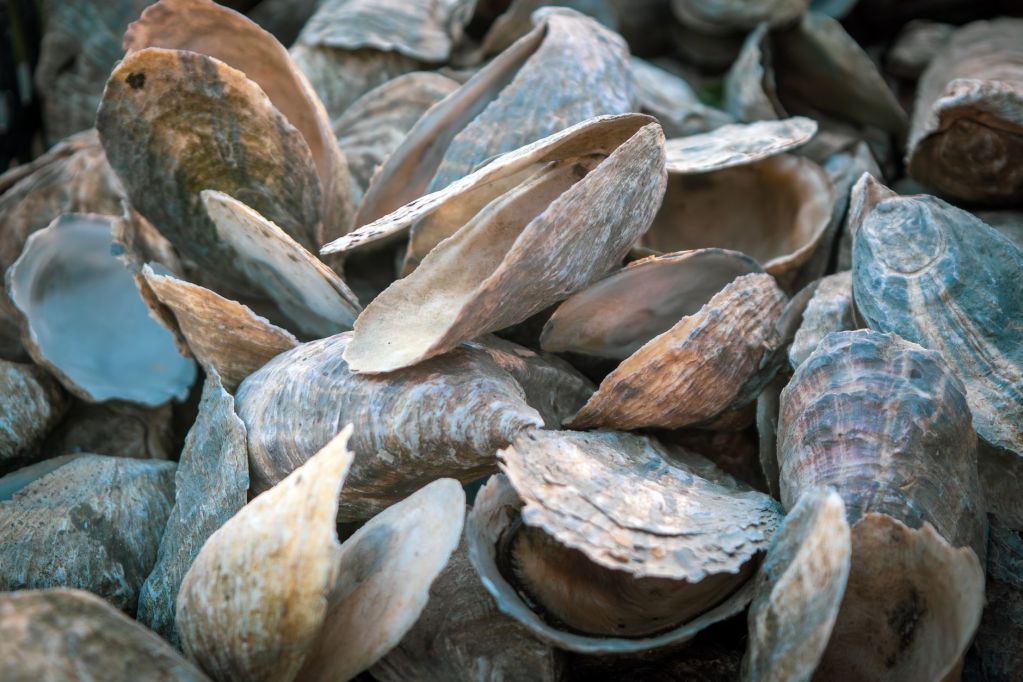
Along the coast of the Scottish Highlands, something has happened that no one living there has ever seen. Wild oysters are being born in the Dornoch Firth again, for the first time in more than 100 years.
Scientists from Heriot-Watt University announced the news on November 16. It is the fruit of nearly a decade of patient, hands-on work by researchers, volunteers and local partners, and it offers a hopeful picture of how damaged places can heal.
A reef that disappeared
The Dornoch Firth is a long inlet of the North Sea in northern Scotland. Long ago, its seabed was home to a reef of native European oysters. But in the late 1800s, the oysters there were most likely fished until none were left. The same sad story played out across much of Europe, where wild oyster populations collapsed.
For well over a century, the firth’s oyster reef was simply gone.
Starting with just 300 oysters
In 2017, a team launched the Dornoch Environmental Enhancement Project, known as DEEP. It is a 12-year effort led by Heriot-Watt University together with the Marine Conservation Society, a UK ocean charity, and the Glenmorangie Company, a Highland business based near the firth that helps fund the work.
That first year, the team placed 300 oysters from Loch Ryan, in southwest Scotland, onto the floor of the firth. Then they kept going. By October 2026, scientists and volunteers had released more than 140,000 young oysters that had been specially raised for the project. About 5,000 more were added just last week.
The moment they had been waiting for
Releasing oysters is one thing. Seeing them raise a new generation on their own is another.
To find out whether that was happening, the researchers laid shells on the seabed near their field lab. Baby oysters, called spat, like to settle on hard surfaces such as old shells. During routine checks, the team spotted tiny spat.
They did not simply celebrate. Experts at National Museums Scotland and Amgueddfa Cymru, the national museum of Wales, checked photos of the young oysters to confirm what they were. When the team returned later, some had grown to roughly the size of a 50p coin, about the size of a large U.S. coin. That proved the oysters were truly reproducing in the wild.
Heriot-Watt professor Bill Sanderson, who leads the research, called it “a moment over 12 years and 140,000 oysters in the making.”
Research associate Gurjameer Ramday said finding the baby oysters “is proof that targeted restoration can work.”
Why oysters matter
Oysters may not look like much, but they are hard workers. According to the Marine Conservation Society, restored oyster beds give shelter to many other sea creatures, help store carbon, and improve water quality. In other words, bringing back oysters helps bring back a whole neighborhood of life under the water.
Today, around 3,000 oysters in the firth are reaching adulthood across two established beds. The team’s goal is to grow the population to about four million oysters by 2031, though they say that will take more funding. They plan to keep monitoring the site to see how the reef, and the life around it, grows.
The Dornoch Firth joins other hopeful ocean stories, like the two wild Pacific atolls that show what the sea looked like before people.
A picture of patient hope
There is something beautiful about this story for families. Nothing about it was fast. The team started small, kept showing up, waited for years, and checked their results carefully before sharing them. Only then did the good news come.
Many of us are waiting on something to grow, whether it is a child’s character, a healing relationship, a new business or a quiet prayer. The oysters of the Dornoch Firth are a reminder that small, faithful beginnings can lead to new life we once thought was gone for good.
It is also a lovely conversation starter with children. Ask them what other creatures might return if we take good care of the places around us, and what small thing your family could do this year to help.
“Behold, I will do a new thing; now it shall spring forth; shall ye not know it? I will even make a way in the wilderness, and rivers in the desert.”
Isaiah 43:19 (KJV)
What is something in your life that took years to grow but was worth the wait?
Sources: Heriot-Watt University, “First oysters born in Dornoch Firth for over 100 years” (November 16, 2026); STV News (PA Media), “Native oysters born in Firth for first time in more than 100 years” (November 16, 2026); Holy Bible, King James Version, Isaiah 43:19 (biblehub.com).


Leave a Reply