
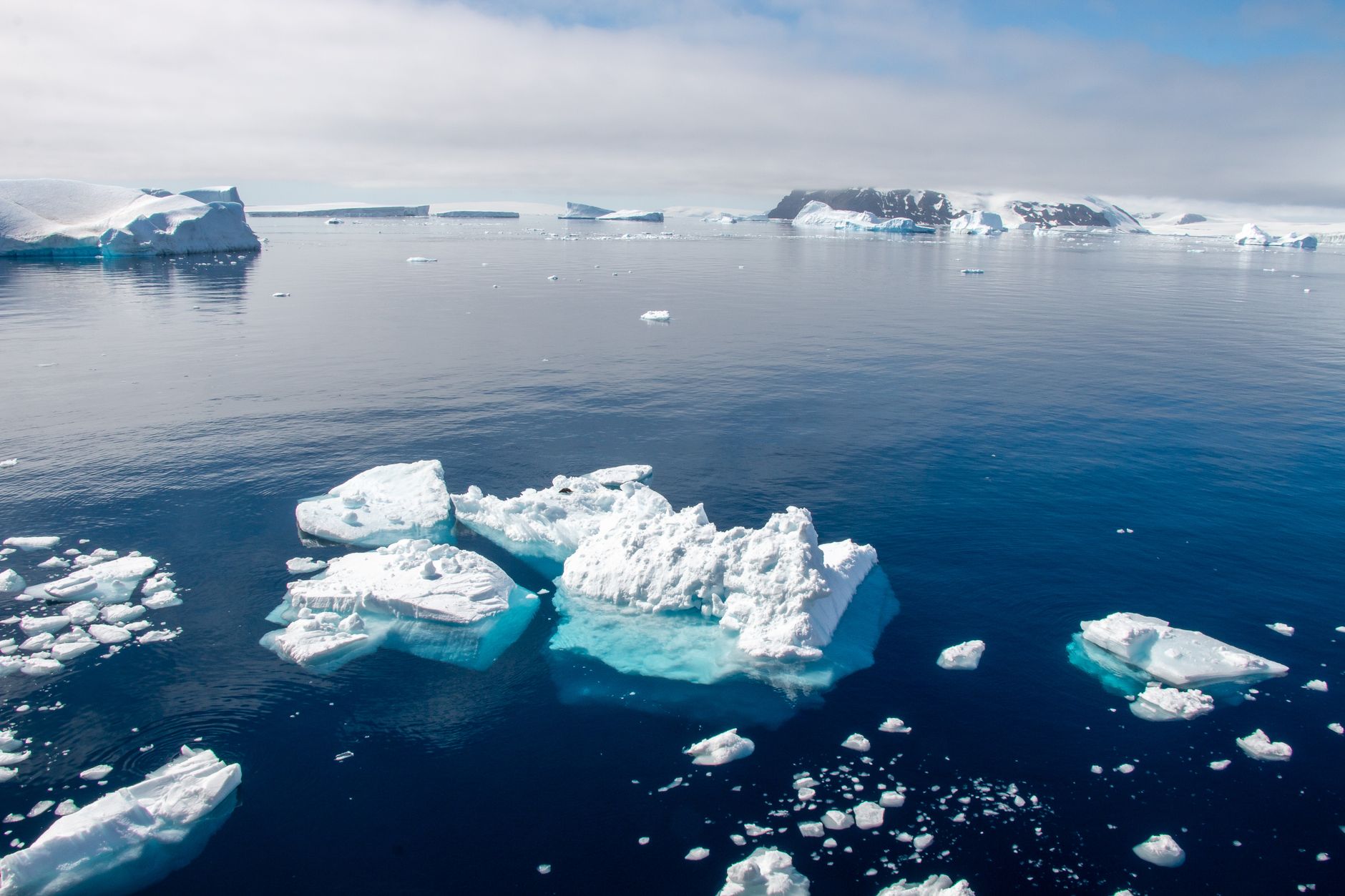
On November 21, 1915, far out on the frozen Weddell Sea near Antarctica, 28 men watched their ship slip beneath the ice and disappear. The ship was the Endurance, and her loss left Sir Ernest Shackleton and his crew stranded on drifting sea ice, hundreds of miles from any other people.
It sounds like the end of a story. It turned out to be the beginning of one of the greatest survival stories in history.
A ship named for a promise
Shackleton planned to make the first crossing of Antarctica on foot. His ship had been built in Norway under the name Polaris. He renamed her Endurance, inspired by his family motto, “By endurance we conquer,” according to Royal Museums Greenwich.
The expedition left the island of South Georgia on December 5, 1914. Within weeks, the ship pushed into heavy pack ice. By early 1915 she was frozen in tight, unable to move. For months the crew lived aboard as the ice slowly carried them along. The Royal Collection Trust notes that the ship drifted almost 600 miles while trapped.
Losing the ship
The ice that held the Endurance also squeezed her. By late October the pressure was cracking her timbers and water was pouring in. On October 27, 1915, Shackleton ordered the men off the ship. They set up camp on the ice with the supplies, tents and lifeboats they could save.
For weeks the broken ship stayed in sight, a sad reminder of everything they had lost. Then, on November 21, 1915, she went down. Expedition photographer Frank Hurley had already captured her final days on glass plate negatives. He could not carry them all, so he kept 120 of more than 500 and the rest were left behind, according to the Royal Collection Trust.
For another story of calm courage when everything went wrong, read how quiet preparation saved Apollo 12.
Months on the ice
The men lived on the moving ice for months, waiting for it to carry them toward open water. In April 1916 the floe broke up beneath them. They climbed into three small lifeboats and rowed through freezing seas until they reached Elephant Island on April 15, 1916. It was the first solid ground they had stood on in well over a year.
But Elephant Island was remote and uninhabited, and help was still hundreds of miles away.
Eight hundred miles in a small boat
So Shackleton made a bold choice. He and a handful of men set out in a lifeboat called the James Caird, about 22 feet long, and sailed roughly 800 miles across some of the roughest ocean on Earth toward South Georgia. The journey took about 16 days.
When they landed, they were on the wrong side of the island. Shackleton, Captain Frank Worsley and Tom Crean then crossed its mountains and glaciers on foot, a trek of about 36 hours, until they reached the whaling station at Stromness.
Shackleton did not rest until his men were safe. After several failed attempts to break through the ice, the Chilean ship Yelcho reached Elephant Island on August 30, 1916. Every man left there was alive. HISTORY reports that, twenty months after setting out, every member of the Endurance crew had survived.
Found again, more than a century later
The story has a remarkable final chapter. In March 2022, the Endurance22 expedition found the wreck about 3,008 meters, or nearly two miles, below the surface of the Weddell Sea. She was sitting upright and intact, about four miles from the position Captain Worsley had recorded. The search team’s director of exploration, Mensun Bound, called her “by far the finest wooden shipwreck I have ever seen.”
“He maketh the storm a calm, so that the waves thereof are still.”
Psalm 107:29 (KJV)
Lessons for our own storms
Most of us will never camp on Antarctic ice. But every family faces days when the ship goes down: a lost job, a frightening diagnosis, a broken relationship, a dream that does not work out. The men of the Endurance offer a few lessons that still ring true:
- Losing the ship is not losing everything. The Endurance sank, but the crew still had each other, and that was enough to keep going.
- Take the next step, not every step. They survived one floe, one row, one mountain at a time.
- Leaders carry people, not just plans. Shackleton’s original goal failed completely, yet he is remembered for bringing everyone home.
- Hope works best together. Those waiting on Elephant Island and those sailing for help each held up their end.
As Thanksgiving approaches this week, the story is a good reminder to be thankful for the people in our own lifeboat. Ships can be replaced. People cannot. And through every storm, the God who calms the waves is still able to bring us safely to shore.
What helped your family stay together and keep going through your hardest season?
Sources: Royal Collection Trust, “The Death of the Endurance 1915”; Royal Museums Greenwich, “What the Endurance shipwreck discovery tells us about the ship’s final moments” (March 11, 2022); HISTORY, “How Shackleton’s Endurance Crew Survived” (Kieran Mulvaney); Endurance22, “Endurance Is Found” (March 2022); Holy Bible, King James Version, Psalm 107:29 (BibleHub).



Leave a Reply