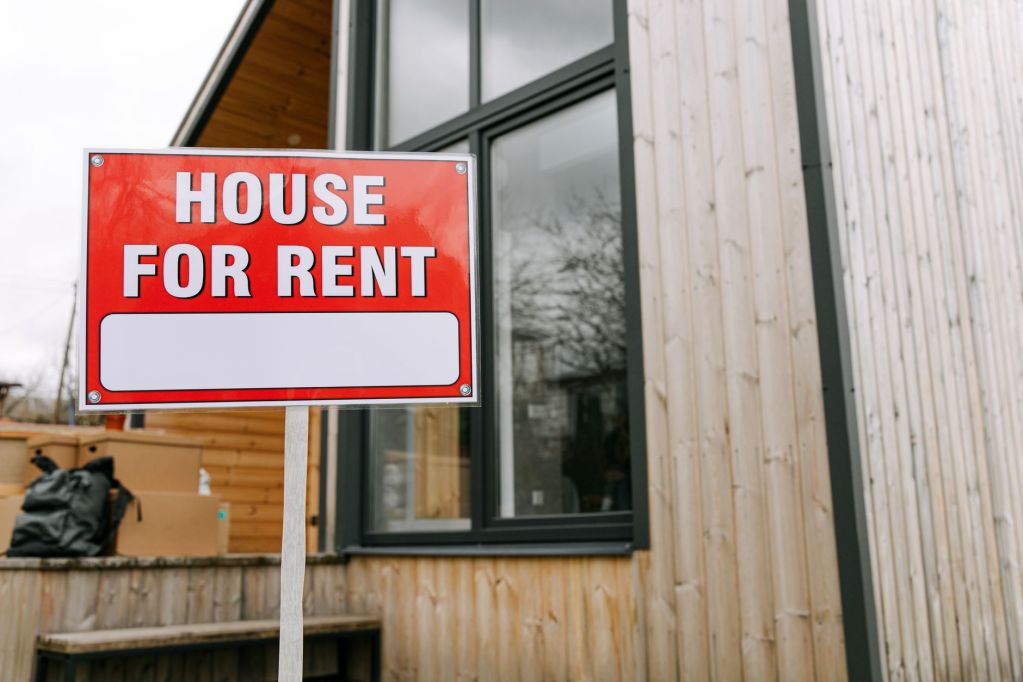
For many families weighing whether to buy or keep renting, the math has tilted further toward renting this fall.
A household now needs about $14,408 more in yearly income to afford owning a typical single-family home than to rent one, according to Zillow’s latest rental market report, released Nov. 12 with October data. That is the widest gap since early 2025 and more than double the $6,463 gap in February, when mortgage rates briefly dipped below 6%.
The numbers
- The typical U.S. single-family rent was $2,243 a month in October, up 3.2% from a year earlier.
- Owning a comparable home with 20% down would cost about $2,603 a month, or $360 more.
- Renting that house takes an income of about $89,724 a year, using the common rule of spending no more than 30% of income on housing. Buying takes about $104,132.
- Typical apartment (multifamily) rent was $1,744, up 2.5%.
- With 20% down, an owner would need to stay about 7.8 years for buying to break even with renting.
Those figures come from Zillow data summarized by RISMedia and QUE.com. Mortgage rates have been a big factor: the average 30-year fixed rate hit about 7.30% after a jump on Nov. 10, according to Mortgage News Daily data cited by CNBC. Freddie Mac’s weekly survey, which Upstormed News covered Thursday, showed rates at 7.11% for the week.
Families are renting houses, not just apartments
Demand for single-family rentals rose 24.3% from a year earlier, roughly double the 12.1% increase for apartments, according to Zillow’s renter demand index. Overall rental demand was up 22.1%.
“For a growing number of households, renting a house is a legitimate financial strategy,” Zillow senior economist Kara Ng said.
What it means in South Florida
Miami is one of the hottest rental markets in the country right now. Renter demand there rose 51.5% from a year earlier, while rents climbed a more modest 2.1%, Zillow’s data show. Jacksonville saw demand rise 47.9% with rents up 2.6%. Only San Jose, San Francisco and Austin posted bigger jumps in demand.
For Florida families, renting also means fewer direct worries about property insurance, which has been one of the state’s biggest homeownership costs. Owners face new rules, too: see our guide to Citizens’ flood insurance requirement starting Jan. 1.
The buying side is slowing
The for-sale market is cooling. Newly pending sales were down 16.8% from a year earlier, and active listings in October were up 7.4%, according to data cited in the report. Redfin found 21.2% of sellers cut prices. This week Upstormed News reported that existing-home sales sank to their lowest level since 2010.
Why it matters for families
- Run your own numbers. Zillow’s gaps vary hugely by city: just $2,554 in Pittsburgh, but more than $200,000 in San Jose.
- If you plan to move within a few years, renting may cost less. If you plan to stay eight years or longer, owning may make more sense.
- About 30% of buyers used a gift or loan from family for their down payment, Zillow found, and many used down payment assistance programs. Ask a local housing counselor what is available.
- This is general information, not financial advice.
Read more: Mortgage rates fall for a fourth straight week to 7.11%
More real estate from Upstormed
Are you renting, buying or waiting this year? Tell us what is shaping your decision in the comments.
Sources: RISMedia, “Zillow Rental Market Report: Demand for Single-Family Rentals Surges” (Nov. 12, 2026); QUE.com, “Renters Now Need a $14,408 Raise to Afford Buying a House” (Nov. 2026)




Leave a Reply