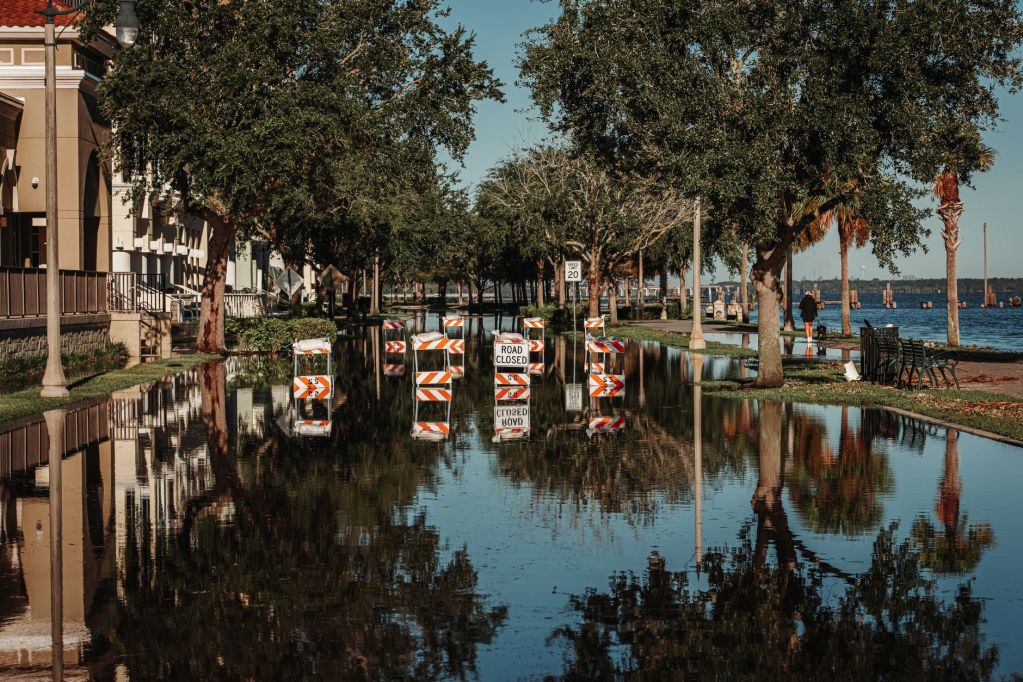
Florida homeowners insured by Citizens Property Insurance Corp. have about seven weeks before the last step of a state flood insurance rule takes effect. Starting Jan. 1, 2027, nearly every Citizens personal residential policy that includes wind coverage will need a separate flood insurance policy, no matter the home’s value or its flood zone.
The deadline lands as Citizens, the state-backed insurer of last resort, keeps shrinking. WFTV reported on Nov. 2 that Citizens now covers about 217,000 policies, a record low and less than 16% of the roughly 1.4 million it carried in 2023. Florida’s insurance commissioner expects more policyholders to move to private carriers in the coming months. But for the households still with Citizens, the flood rule is about to apply to everyone it covers.
How the rule was phased in
The requirement comes from state law and has been phased in over several years, according to Citizens. Homes in FEMA high-risk flood zones (Special Flood Hazard Areas) came first. Outside those zones, the rule has applied by the home’s dwelling coverage (Coverage A):
- Jan. 1, 2024: $600,000 or more
- Jan. 1, 2025: $500,000 or more
- Jan. 1, 2026: $400,000 or more
- Jan. 1, 2027: all remaining policies, regardless of value
The rule applies to new policies and to renewals on or after each date. That means a family whose Citizens policy renews in, say, March 2027 will need flood coverage in place at that renewal.
Who is exempt and how much coverage is needed
Citizens lists three exemptions: condominium unit-owner policies, renters’ contents policies, and policies that exclude wind and hail coverage. Condo owners, who have faced their own pressures in South Florida as sellers have come to outnumber buyers, are not covered by this rule.
For everyone else, the flood policy’s building coverage must be at least equal to the Citizens dwelling coverage. If the National Flood Insurance Program (NFIP) cannot offer that much, Citizens accepts the program’s maximum, which is $250,000 for a home under the regular program. Policyholders must send proof, such as a flood policy declarations page or a submitted application with proof of payment, along with a signed affirmation form. Both NFIP policies and qualifying private flood policies can meet the requirement.
Two timing traps: the waiting period and Dec. 11
Timing matters for two reasons. First, FEMA says new flood policies generally do not take effect right away; there is typically a 30-day wait before coverage begins. Insurance agents, including Family Insurance Centers, advise counting back from your Citizens renewal date and buying flood coverage at least a month ahead.
Second, the NFIP’s legal authority to sell and renew policies is set to expire at midnight on Dec. 11, 2026, unless Congress extends it, according to the National Association of Realtors. If that happens, the NFIP cannot issue new or renewal policies until it is reauthorized. Existing policies stay in force until they expire, and claims continue to be paid while FEMA has funds. The current deadline is itself the product of a short-term extension, and a lapse, even a short one, could complicate plans for anyone counting on a new NFIP policy around the holidays.
Why it matters for families
- Check your declarations page. Confirm whether your home is insured by Citizens and when it renews.
- Most home policies do not cover flood. FEMA notes standard homeowners policies generally do not cover flood damage.
- Ask your agent about both options. Compare an NFIP policy and private flood coverage. Private waiting periods and limits vary by company.
- Budget ahead. Flood premiums vary widely by home, location and coverage, so get a written quote rather than relying on averages.
- Buying a home? Ask early about flood and wind coverage. Insurance costs can change a monthly payment, especially in a market where prices have started to slip.
This article is general information, not insurance, legal or financial advice. Requirements can change, so confirm the details for your policy with Citizens or a licensed insurance agent.
What to watch next
The key dates are Dec. 11, when Congress must act on the NFIP, and Jan. 1, when the Citizens rule reaches all remaining home policies. Upstormed News will follow both and report how many Floridians move out of Citizens as the deadline nears.
Read more: Miami-Dade Condos Tilt to Buyers as Single-Family Homes Stay Scarce
Do you carry flood insurance, and has the cost changed your plans? Tell us in the comments.
More real estate from Upstormed
Sources: Citizens Property Insurance Corp., “Flood” (accessed November 12, 2026); Citizens Property Insurance Corp., “Updates to Flood Coverage Law Bring More Changes” (June 1, 2023); WFTV, “Citizens Property Insurance reports record-low policy count” (November 2, 2026); National Association of Realtors, “FAQ: National Flood Insurance Program Expires December 11, 2026” (2026); FEMA, “Act Now to Protect Your Property with National Flood Insurance Program” (August 19, 2025); Family Insurance Centers, “Citizens Flood Insurance Requirement 2027: What Florida Homeowners Need to Know” (October 26, 2026)




Leave a Reply