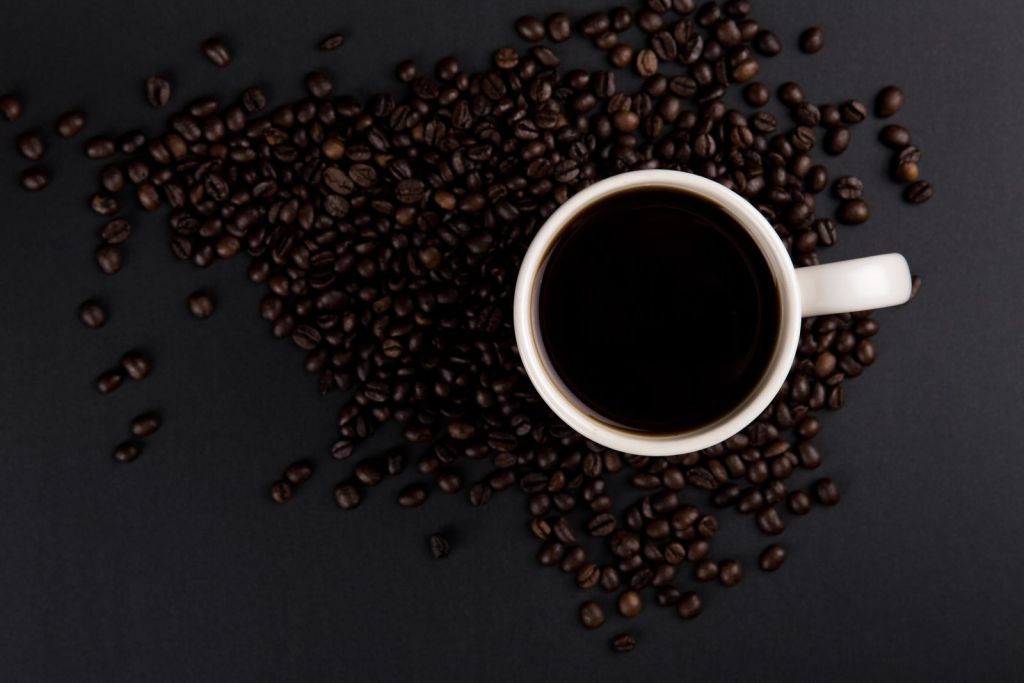
When the plates are cleared next Thursday and the pie comes out, the coffee pot usually follows. For many families, that after-dinner cup is as much a tradition as the turkey. So it is worth asking: is coffee good for us?
Two large studies published in 2025 offer some encouraging news for coffee lovers, with a couple of important twists. What you put in your cup, and when you drink it, may matter.
Study one: hold the cream and sugar
In June 2025, researchers at Tufts University’s Friedman School of Nutrition Science and Policy published a study in The Journal of Nutrition. They looked at about 46,000 U.S. adults from a national health survey that ran from 1999 to 2018, and compared their coffee habits with death records.
People who drank one or more cups of caffeinated coffee a day had a 16 percent lower risk of dying from any cause during the study than non-drinkers. Two to three cups a day was linked to a 17 percent lower risk. Going beyond three cups showed no extra benefit.
Here is the twist. The lower risk showed up for black coffee and for coffee with only a little added sugar and saturated fat. In the Tufts study, “low” meant roughly half a teaspoon of sugar and about a tablespoon of half-and-half per 8-ounce cup. Coffee with more sugar and cream showed no such link.
Senior author Fang Fang Zhang said the results suggest “the addition of sugar and saturated fat may reduce the mortality benefits.” First author Bingjie Zhou noted that this lines up with the Dietary Guidelines for Americans, which recommend limiting added sugar and saturated fat.
Study two: morning may be best
A separate study, published in January 2025 in the European Heart Journal and led by Dr. Lu Qi of Tulane University, looked at when people drink their coffee. The team studied about 40,700 adults from the same national survey.
Compared with people who did not drink coffee, those who drank it mostly in the morning had a 16 percent lower risk of death from any cause and a 31 percent lower risk of death from heart disease. People who sipped coffee throughout the day, into the evening, showed no lower risk.
Dr. Qi called it “the first study testing coffee drinking timing patterns and health outcomes,” and said more research is needed in other groups of people. The researchers suggested late-day caffeine might disturb the body’s internal clock, but that idea has not been proven.
What these studies do and do not mean
Both were observational studies. They found patterns, not proof that coffee itself helps people live longer. Coffee drinkers may differ from non-drinkers in many ways. The Tufts team also noted that diet information came from people remembering what they ate and drank on a single day.
So there is no reason to start drinking coffee if you do not enjoy it. But if you already do, these findings offer a gentle nudge toward a simpler cup, earlier in the day.
How much caffeine is too much?
The U.S. Food and Drug Administration says that for most healthy adults, about 400 milligrams of caffeine a day, roughly two to three 12-ounce cups of coffee, is “an amount not generally associated with negative effects.” People vary, though. The FDA lists signs you may be getting too much: a racing heart, jitters or anxiety, trouble sleeping, upset stomach or headache.
The FDA also advises extra care for some groups. People who are pregnant, trying to become pregnant or breastfeeding should ask their health care provider about caffeine. So should people with certain health conditions or who take certain medicines. Experts advise against energy drinks for children and teens.
Simple ideas for a healthier cup this season
- Go lighter on the extras. Try a splash less cream or half the sugar. Your taste buds adjust over time.
- Watch the holiday specialty drinks. Many seasonal lattes are loaded with syrup and whipped cream. Enjoy them as an occasional treat.
- Enjoy it earlier. If coffee keeps you up, have your last cup well before evening.
- Offer decaf after dinner. Keep a pot of decaf ready for Thanksgiving guests. The FDA notes decaf still has a small amount of caffeine.
- Remember water. A glass of water alongside your coffee is always a good choice.
This is general information, not medical advice. If you have heart rhythm concerns, high blood pressure, trouble sleeping or questions about caffeine and your medicines, check with your doctor.
Every cup, with thanks
Even ordinary moments, like sharing coffee and pie with the people we love, can be offered to God with a grateful heart.
“Whether therefore ye eat, or drink, or whatsoever ye do, do all to the glory of God.” 1 Corinthians 10:31 (KJV)
This Thanksgiving, may your cup be warm, your table be full and your conversation be sweet, even if your coffee is a little less so. Through every storm, we rise together.
How do you take your coffee, and would you try it a little lighter this season?
Sources: Tufts Now, “Hold the Cream and Sugar: Black Coffee Linked to Lower Risk of Death” (June 16, 2025); European Society of Cardiology, “Morning coffee may protect the heart better than all day coffee drinking” (January 8, 2025); U.S. Food and Drug Administration, “Spilling the Beans: How Much Caffeine Is Too Much?” (content current as of August 28, 2024); 1 Corinthians 10:31, King James Version, Bible Hub.




Leave a Reply