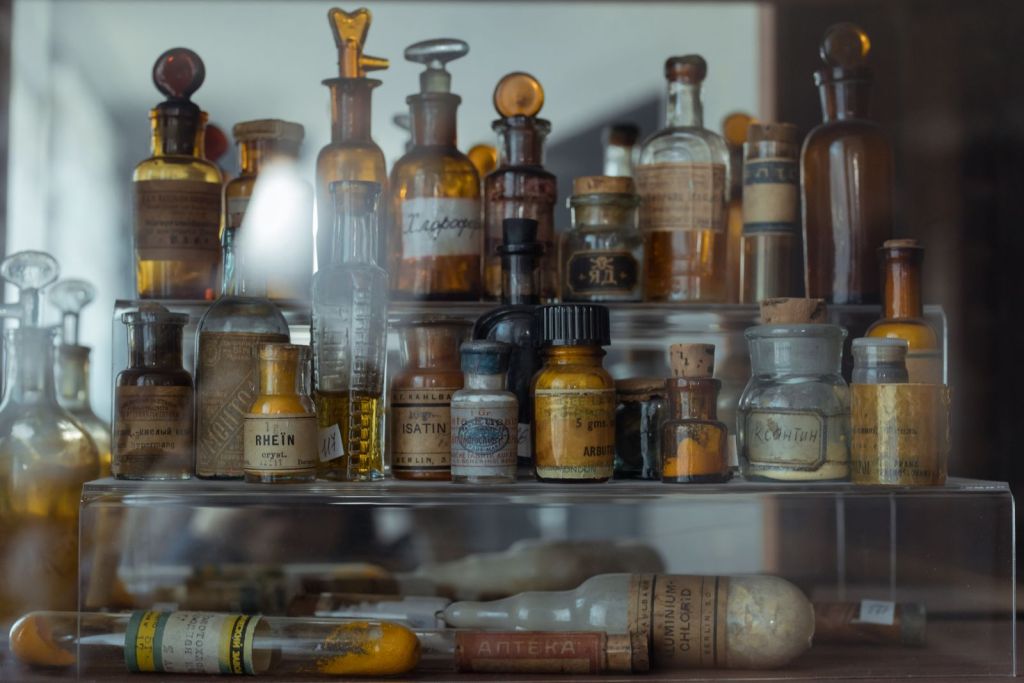
In the 1850s, a Jamaican woman in her late forties packed up her herbal medicines and set out for a war on the other side of the world. Officials in London had turned her away. She went anyway.
Her name was Mary Seacole, and the British soldiers she cared for in the Crimean War gave her a name of their own: “Mother Seacole.”
A healer from Kingston
Mary Seacole was born Mary Jane Grant in Kingston, Jamaica, in 1805. Her father was a Scottish soldier and her mother was a Jamaican Creole woman who practiced traditional herbal healing. According to the London Museum, Mary learned those healing skills from her mother and later called herself a “doctress.”
Her life was not easy. She married Edwin Seacole in 1836, and he died in 1844. The year before, in 1843, the Great Fire of Kingston destroyed her home, Smithsonian Magazine reports. Through all of it she kept working, treating people during outbreaks of cholera and yellow fever.
In 1851 she traveled to Panama, then part of the Republic of New Granada, where she ran a business and again cared for the sick when cholera struck. Britannica notes that this work gave her valuable nursing experience.
A door closed in London
When Britain went to war in Crimea in the 1850s, news spread of soldiers suffering from disease, cold and poor care. Mary Seacole wanted to help. She went to London and applied in person to serve as an army nurse.
Her offers were refused. Britannica records that she believed racial prejudice was part of the reason. In her memoir she wondered aloud whether some had refused her aid because her “blood flowed beneath a somewhat duskier skin than theirs.”
Many people would have gone home. Mary Seacole found another way.
Mary Seacole’s courage stands beside another nursing pioneer we love: Clara Barton, the shy girl who became the Angel of the Battlefield.
The British Hotel
She made her own way to Crimea, and in 1855 she and a business partner, Thomas Day, opened what they called the British Hotel near Balaclava. It was not really a hotel. Smithsonian Magazine explains that it served as a canteen and storehouse, supplying food, medicine and other goods to soldiers.
From there she cared for the sick and wounded. She treated cholera and dysentery with her herbal remedies, dressed wounds and treated frostbite. The London Museum notes that she also went out near the front lines to tend to wounded men. Britannica describes her as a familiar figure at the places where casualties were brought back from the fighting.
Soldiers and newspapers took notice. A well-known war correspondent announced her arrival in a March 1855 dispatch, and one London paper called her “A Real Crimean Heroine.”
“She stretcheth out her hand to the poor; yea, she reacheth forth her hands to the needy.”
Proverbs 31:20 (KJV)
Bankrupt, but not beaten
When the war ended in 1856, Mary Seacole returned to England with little left. She was declared bankrupt soon after.
Once again she refused to give up. In 1857 she wrote a book about her life, Wonderful Adventures of Mrs. Seacole in Many Lands, and it became a bestseller. The people she had helped rallied too. Newspapers organized appeals on her behalf, and a large fundraising event was held for her in London. Smithsonian Magazine reports that from the late 1850s until her death she was the most famous Black woman in the British Empire.
She died in London on May 14, 1881.
Remembered again
For many years after her death, her story faded from view. Her memoir was republished in 1984, and interest in her life grew again. In 2004 she was voted the greatest Black Briton in a public poll. Today a statue of her stands outside St Thomas’ Hospital in London.
What Mary Seacole teaches us
- A “no” does not have to be the end. When one door closed, she found another path to serve.
- Use the gifts you have. She brought what her mother taught her and put it to work for strangers.
- Losing money is not losing worth. Bankruptcy did not erase the good she had done.
- Kindness is remembered. The soldiers she cared for never forgot their “Mother Seacole.”
Mary Seacole did not wait for permission to love her neighbor. She saw people hurting, and she went. That simple courage is something any of us can practice, right where we are.
Has someone ever shown up for you when nobody else would, and how did it change you?
Sources: London Museum, “Mary Seacole: Humanitarian, herbalist, ‘Mother’ to sons at war”; Smithsonian Magazine, “A Historian’s Quest to Unravel the Secrets of Mary Seacole, an Innovative, Long-Overlooked Black Nurse”; Encyclopaedia Britannica, “Mary Seacole”; Holy Bible, King James Version, Proverbs 31:20 (BibleHub).



Leave a Reply