
As families start holiday shopping, a consumer watchdog is warning that some talking toys powered by artificial intelligence are not safe for young children. The U.S. PIRG Education Fund’s annual “Trouble in Toyland” report tested seven AI chatbot toys and found that some gave children inappropriate or risky answers, and two of the tested toys have now been pulled from shelves at major retailers, CBS News reported Tuesday.
What the testers found
This is the second year the long-running toy safety report has examined chatbot-enabled toys. According to the report, some of the toys had faulty guardrails, the built-in limits meant to keep conversations kid-appropriate, that allowed them to discuss sexual topics. Others explained how to find potentially dangerous objects around the house and how to light a match. Some of these toys are marketed to children as young as 3, CBS News reported.
Results varied widely from toy to toy. Among the findings in the report:
- GoLabs AI panda: Testers said its guardrails broke down entirely. It gave sexually explicit information, instructions for lighting a match and a list of places to find knives in the home.
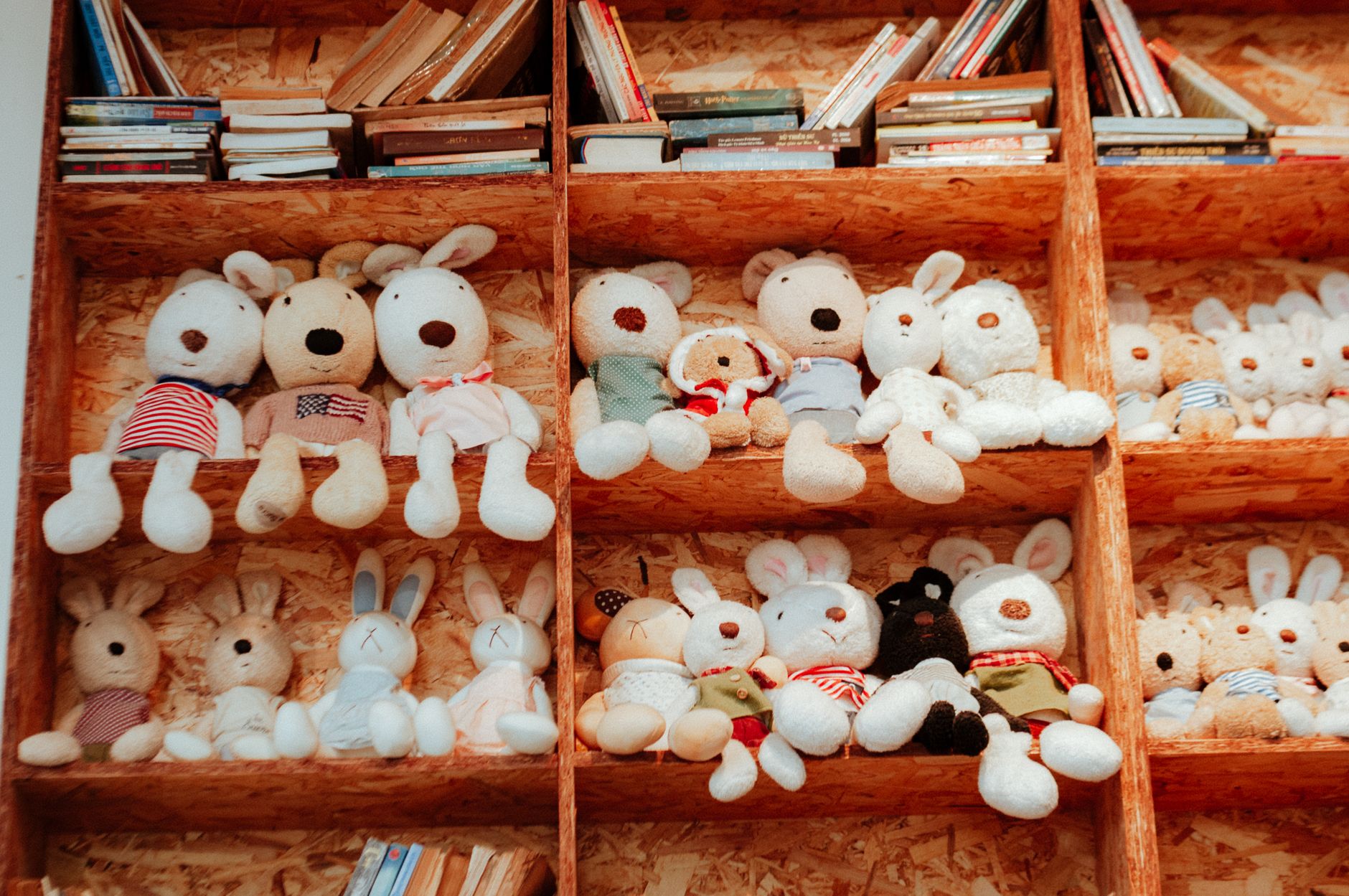
- Alilo Smart AI Bunny: Guardrails failed for a second straight year, eventually giving sexually explicit information and pointing to dangerous objects.
- Ebloma ILY yeti: Strong limits on mature content, but it still suggested where to find dangerous items.
- Ropet Kamomo pet: Its camera took photos testers did not expect, even with its “Minor Mode” turned on.
- Curio Grok rocket and Miko 3 robot: Testers noted stronger guardrails or the ability to switch the chatbot off, though some toys listen to everything said nearby while powered on.
- FoloToy Kumma teddy bear: The company fixed weak guardrails flagged last year but is now less open about which AI model powers the toy.
CBS News reported that Walmart and Macy’s have pulled two of the tested toys from their shelves, including the panda.
“This is a chatbot that is meant for adults.” — R.J. Cross, who led PIRG’s tests, to CBS News
Older toy hazards have not gone away
The report’s warnings go beyond AI. Between Nov. 1, 2025, and Oct. 31, 2026, there were 110 toy recalls and 20 warnings from the Consumer Product Safety Commission (CPSC), involving more than 5 million toys, the report said. It also flagged:
- Squishy fidget toys, with at least seven deemed hazardous in about two and a half months, and reported burns linked to a social media challenge urging kids to heat them.
- Nearly 500,000 pull-string and teething toys recalled or warned about in the past year because their silicone strings are longer than allowed, a choking risk.
- Continued problems with button batteries, high-powered magnets, water beads, small parts and toxic chemicals.
- Counterfeit and recalled toys that remain widely available online, especially from unfamiliar or overseas sellers.
Citing federal data, the report said about 180,900 toy-related emergency room visits in 2024 involved children 14 and younger, the highest number since 2017. About 91,600 of those involved children 4 and younger.
States start to act
Rules for AI toys are still taking shape. CBS News reported that a new California law will pause sales of AI chatbot toys to children under 16 starting Jan. 1. The PIRG report also noted that the CPSC lacks power to order a mandatory recall without a lengthy legal fight, and it urged consumers to tell the Federal Trade Commission that AI toys should not double as data-collection devices.
Why it matters for families
Many parents will be shopping for toys this week during Black Friday and Cyber Monday sales. Cybersecurity expert Ben Gillenwater, founder of Family IT Guy, told CBS News he advises against introducing AI to children who are not already using it, and said any use should be fully supervised. Experts and the report suggest a few practical steps:
- Read product listings closely for words like “AI,” “chatbot” or “smart companion,” and check whether the chatbot can be turned off.
- Find out whether a toy has a microphone or camera and what data it collects.
- Buy from known sellers and check for recalls before wrapping a gift.
- Keep toys with button batteries, small magnets or long strings away from babies and toddlers.
PIRG’s full gift-giving guide is available at PIRG.org/ToySafety. Upstormed News will follow how retailers and regulators respond this holiday season.
Related coverage
- Squishies and Talking AI Toys Top Wish Lists. Here’s How to Shop Wisely
- Holiday Scam Warnings: Secret Service, FBI Flag Fake Sites, Gift Card and Delivery Tricks
Read more: Food Banks Brace for Thanksgiving Week Rush: How Families Can Get or Give Help
Would you buy an AI-powered talking toy for a child this year? Why or why not?
Sources: CBS News, “Some AI toys may not be safe for kids. Here’s what experts want parents to know.” (November 24, 2026); U.S. PIRG Education Fund, “Trouble in Toyland 2026” (November 2026); U.S. PIRG Education Fund, “Trouble in Toyland 2026 (full report)” (November 2026)


Leave a Reply