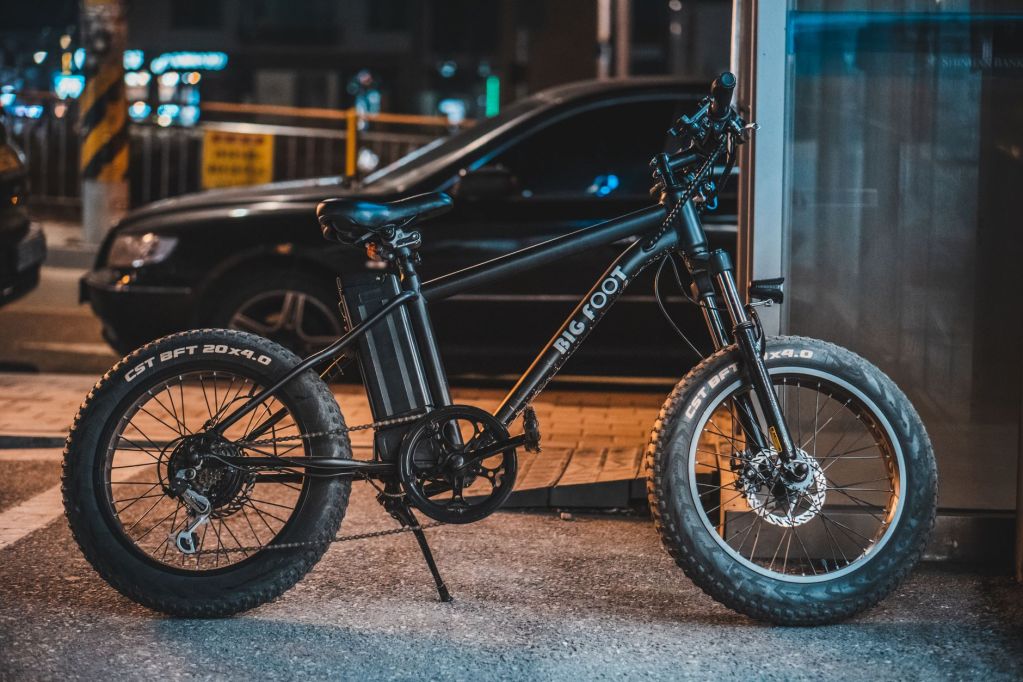
E-bikes and e-scooters have become a common sight outside schools and parks, and a new study shows the injuries are rising just as fast. Researchers writing in the journal JAMA found that children’s emergency visits after e-bike crashes rose about 400% between 2023 and 2026, while e-scooter injuries rose almost 200%.
What the study found
The paper, published November 2 and led by Dr. Alan Schroeder, tracked children treated at a group of U.S. emergency rooms, hospitals and urgent care centers after crashes on e-bikes, e-scooters, skateboards and regular bikes and scooters.
- Fast growth: E-bike injuries rose about 400% over the study period, and e-scooter injuries nearly 200%, according to Time.
- More severe: Injuries serious enough to need surgery or intensive care were about twice as likely when a powered device was involved.
- Head injuries: STAT reported that 10% of minors treated after e-bike crashes had brain injuries, double the rate for regular bikes.
- Young riders: About 24% of e-bike injuries and 44% of e-scooter trauma cases involved children under 12, a share that surprised the researchers.
Why powered rides are different
The difference is speed and stopping distance. An e-bike or e-scooter takes much longer to stop than a regular bike, so skills children learned on pedal bikes do not fully carry over. Some devices marketed to teens are not e-bikes at all but e-motos, electric motorcycles or dirt bikes that can exceed 60 mph.
Laws vary widely. Some states limit the fastest class of e-bikes, which can reach 28 mph, to riders 16 and older, and some require helmets while others do not. In California, e-motos meant for public roads count as motorcycles and need registration, a license and insurance, which riders under 16 cannot get. Dr. Preeti Panda told Time that in many states these devices are illegal for children, and families can face liability if one injures someone.
What the doctors recommend
The researchers say children under 12 should not ride electric devices, and Schroeder called enforced age limits “low-hanging fruit” for policymakers. They also recommend helmets rated for higher speeds, which protect better than a standard bike helmet. Dr. Stephanie Chao encouraged families to talk through safety and responsibility before a child ever rides.
The findings come during a busy season for family safety news, from product recalls on space heaters and French presses to an early start to flu season. With e-bikes likely to be on many holiday wish lists, the timing matters.
Why it matters for families
- Check the device class and your state’s age and helmet rules before you buy.
- Know the difference between an e-bike with pedals and a throttle-only e-moto.
- Choose a helmet rated for higher speeds, and make wearing it non-negotiable.
- Practice braking and riding in a safe space before riding on streets.
- For younger children, consider waiting until they are older.
This is general information, not medical advice. If your child is hurt in a crash, especially with a blow to the head, contact your doctor or seek emergency care.
What to watch next
The study’s authors hope their data will push states toward clearer age limits and rules for e-motos. Upstormed News will follow any new state laws and safety guidance ahead of the holiday shopping season.
Read more: Holiday Shopping 2026: The Best Days to Buy Toys, TVs and Laptops
Does your child ride an e-bike or e-scooter? What rules does your family follow? Share in the comments.
Sources: Time, “E-Bike and E-Scooter Accidents Are Skyrocketing Among Children” (November 3, 2026); STAT, “Morning Rounds” (November 3, 2026); JAMA, “Injuries From Electric Bicycles and Scooters Managed in Pediatric Health Systems” (November 2, 2026).




Leave a Reply