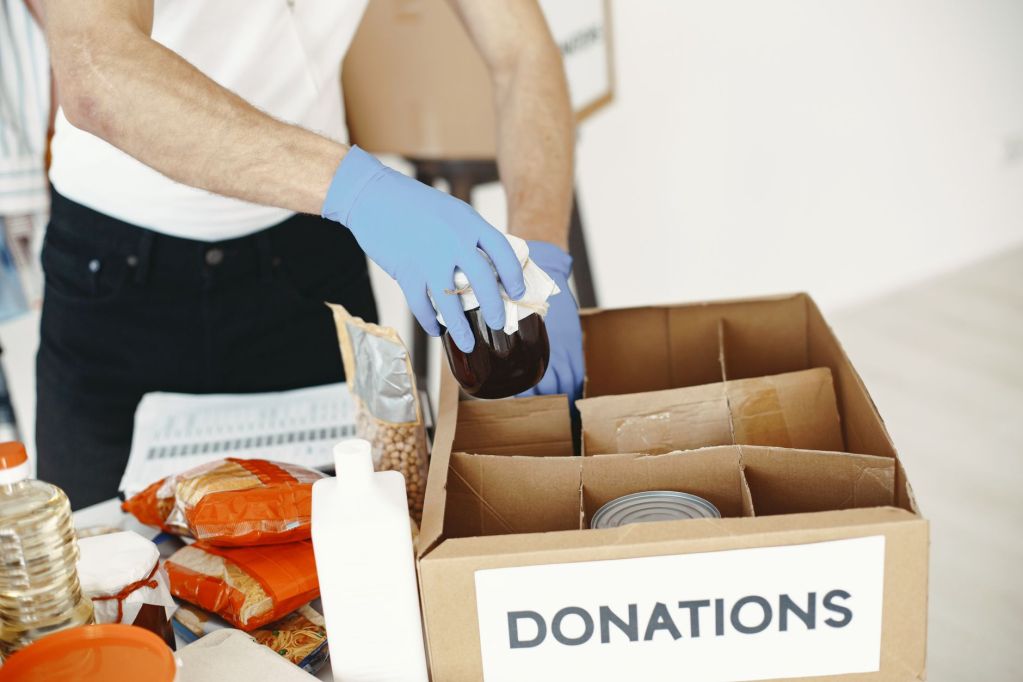
Giving Tuesday, the global day of generosity that follows Thanksgiving weekend, falls on December 1 this year, and families are already being flooded with donation emails, texts and social media appeals. This year, consumer watchdogs and cybersecurity reporters are urging donors to slow down before they click “Donate,” for two reasons: charity scams are rising, and two widely used nonprofit fundraising systems were hit by cyberattacks this month.
Charity scam losses jumped in 2025
According to the Federal Trade Commission, consumers reported losing $36 million to charity scams in 2025, a 64% increase from the year before, KCCI reported Tuesday.
“The holiday season is widely known as the season of giving, and scammers know that.” — Miry Kim, FTC attorney, to KCCI
Scammers often use emotional stories with few details, names and websites that look almost like those of real charities, and pressure to give right away. They may ask for gift cards, wire transfers or cash, payment methods that are hard to trace or get back. The Better Business Bureau in Mississippi and a cybersecurity professional interviewed by WDAM also warned about AI-powered tricks, including fake websites, fake social media posts and cloned voices on phone calls.
Cyberattacks hit charity fundraising tools
The scam warnings come after a rough November for the technology many charities use behind the scenes.
- DonorPerfect: The donor database company, used by more than 11,000 nonprofits, took its system offline on the evening of November 10 after a cyberattack that likely involved AI bots, according to The Chronicle of Philanthropy. Service returned in stages starting November 14, and the company said 99% of systems were restored by November 16. The FBI is investigating, and the company has said its review of whether any donor data was taken is continuing.
- GoFundMe Pro: The fundraising software, which many charities run behind their own donate buttons, said an unauthorized third party gained access to some personal donor and supporter information. According to CyberExperts, which cited GoFundMe’s November 20 security notice, the data included names, home addresses, email addresses, phone numbers and, for some people, dates of birth. GoFundMe said passwords, full card numbers, card security codes and bank account details were not taken, and that it notified law enforcement.
Payments kept processing through GoFundMe Pro during the incident, The Chronicle of Philanthropy reported. Donors to affected charities may get notices by email, and the bigger near-term risk is that criminals could use stolen contact details to send convincing fake “thank you” or “confirm your gift” messages.
How to give wisely on Giving Tuesday
Advice from the FTC, the BBB and other experts quoted in this week’s coverage boils down to a few steps:
- Go to the source. Type the charity’s web address yourself instead of clicking links in emails, texts or social posts, and give through its official website.
- Check it out first. Look up the charity with watchdog groups such as the BBB Wise Giving Alliance (give.org) or CharityWatch, and use the IRS Tax Exempt Organization Search to confirm its status. Annual reports and IRS Form 990 filings show how money is spent.
- Hang up and call back. If someone calls to “confirm” a gift or your card number, end the call and dial the number listed on the charity’s own website.
- Pay safely. A credit card offers dispute protections. Real charities do not ask for gift cards, wire transfers or cryptocurrency.
- Know what is deductible. Gifts to political groups and to individuals on crowdfunding sites generally are not tax-deductible, according to the coverage. Ask a tax professional about your situation.
- Protect your identity. If a breach notice says your date of birth was exposed, consider a free credit freeze with Equifax, Experian and TransUnion.
- Report fraud at ReportFraud.ftc.gov or to your state attorney general.
Why it matters for families
Giving Tuesday is a good chance to teach kids about generosity, and local groups depend on it. In Hattiesburg, Mississippi, the Kids Hub child advocacy center told WDAM it hopes to raise $20,000 for mental health services this year. BBB Mississippi president John O’Hara summed up the approach: “Give with your heart, but use your head when you’re doing your research.” Choosing a cause together as a family, checking it out together and giving directly can make the gift both safer and more meaningful.
What to watch next
GoFundMe and DonorPerfect have said their investigations are ongoing, and more charities may notify donors in the coming days. Upstormed News will follow any updates before and after Giving Tuesday.
Related coverage
- Food Banks Brace for Thanksgiving Week Rush: How Families Can Get or Give Help
- Holiday Scam Warnings: Secret Service, FBI Flag Fake Sites, Gift Card and Delivery Tricks
Read more: What’s open and closed on Thanksgiving Day 2026: stores, pharmacies, restaurants
Will your family give on Giving Tuesday, and how do you choose a charity?
Sources: KCCI, “Giving this season? How to spot a charity scam before you donate” (Nov. 24, 2026); WDAM, “Avoid online charity scams during Giving Tuesday” (Nov. 22, 2026); The Chronicle of Philanthropy, “How a cyberattack on DonorPerfect upended year-end giving plans” (Nov. 18, 2026); CyberExperts, “GoFundMe Pro Data Breach and DonorPerfect Outage Before Giving Tuesday” (Nov. 23, 2026)



Leave a Reply